
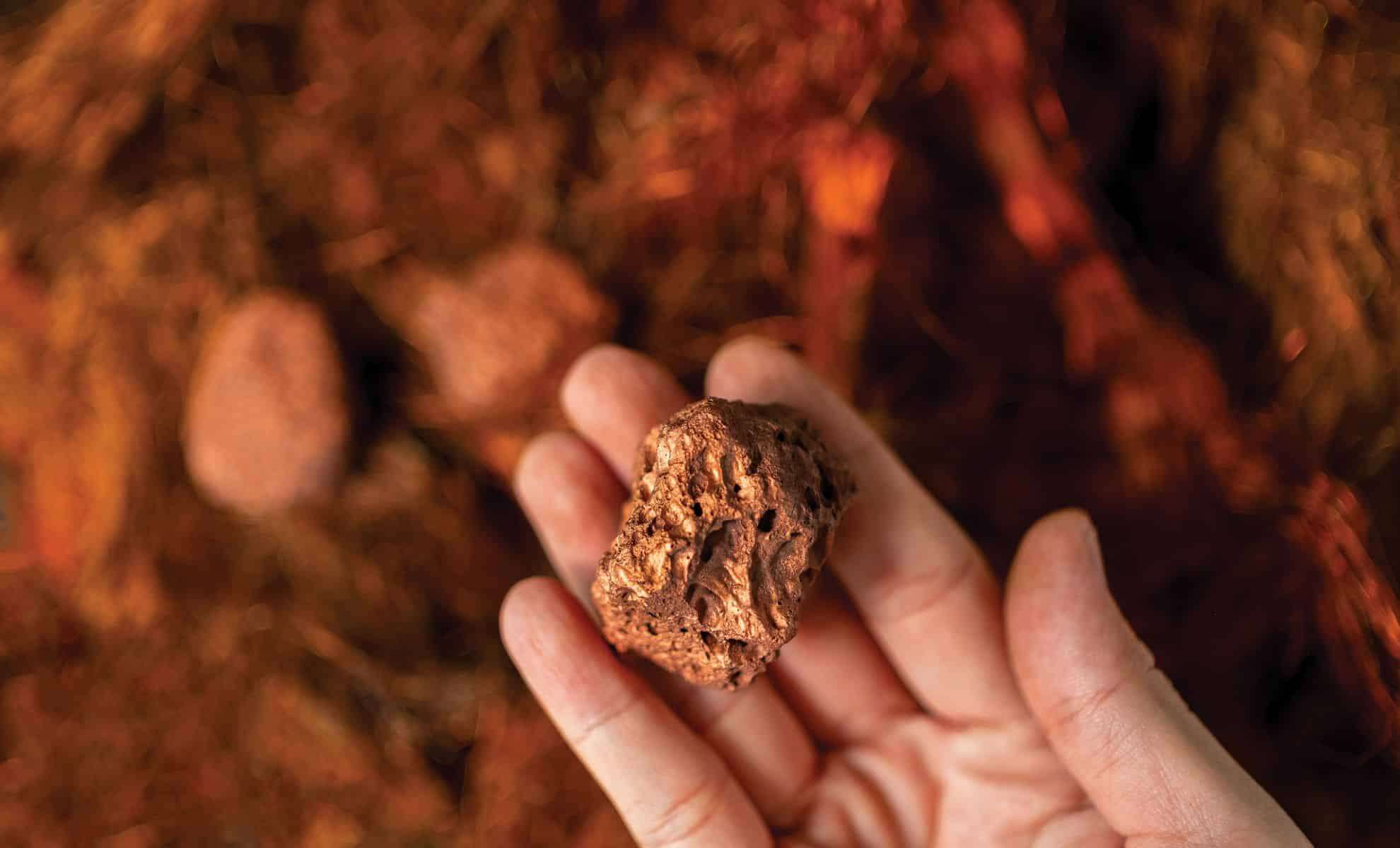
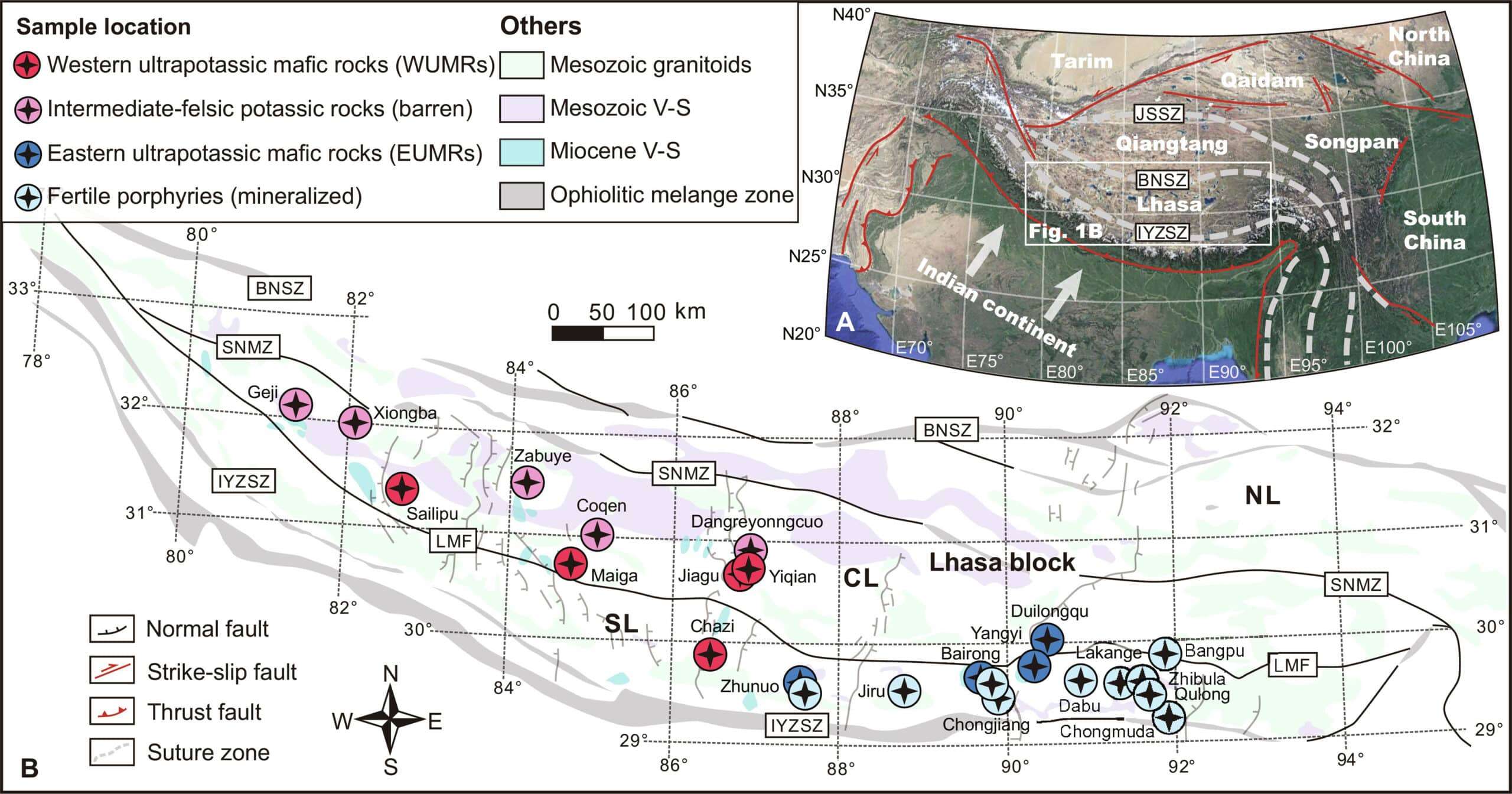
Recent research has shed light on the intriguing formation process of some of the largest copper deposits worldwide, situated in southern Tibet’s Gangdese Belt. Challenging the usual assumption that such extensive mineral concentrations arise from active subduction zones, scientists discovered that these valuable copper stores actually emerged from an ancient tectonic collision between continental plates.
Rethinking Copper Deposit Formation
Copper plays a pivotal role in today’s technologies, especially in electric vehicles, energy grids, and green power solutions, thanks to its excellent electrical conductivity. As demand surges, driven by the transition to cleaner energy, the search for fresh copper sources is becoming critically urgent. The International Energy Agency projects a 50% increase in copper demand by 2040 to meet global carbon-neutral targets.
The Gangdese Belt’s copper reserves, estimated at over 45 million tons and formed between 13 and 18 million years ago, do not share the typical origins linked to active volcanic arcs above subduction zones. Instead, their roots trace back to tectonic plate collisions in the Miocene period, occurring long after the Neo-Tethys oceanic plate was subducted beneath the Asian continent. This ancient geologic event continues to influence the region’s mineral wealth.

How Continental Collisions Generate Copper Deposits
A team from the University of Western Australia, led by Dr. Yongjun Lu, examined igneous rock samples from the Gangdese area to decode the processes behind these copper-rich deposits. They categorized the rocks into pre-collision, syn-collision, and post-collision groups to chart chemical changes correlating with tectonic events.
One significant discovery was a marked rise in vanadium-to-scandium ratios alongside zircon oxygen fugacity in magmas formed after the collision. This increase in oxidized elements created ideal conditions for copper to remain dissolved in ascending magma within the Earth’s crust.
The Importance of Recycled Crustal Material
The study highlights how recycled sediments boosted copper deposit formation. During the Indian-Asian plate collision, carbonate-rich surface sediments were driven deep into the mantle. At depths near 60 miles and temperatures exceeding 1,600°F, these sediments reacted with mantle minerals containing iron. This interaction raised the oxidation state by converting ferrous to ferric iron, enabling copper to stay dissolved rather than forming sulfide droplets, which commonly occur under reducing conditions.
As magma ascent slowed in the Earth’s mid-crust, pressure dropped, causing copper sulfides to crystallize and form extensive, mineable ore deposits. Dr. Lu described this sequence as “a second wind for copper-forming magmas,” revealing how recycled sediments continue fueling copper creation millions of years post oceanic plate disappearance.
Broadening the Scope for Copper Exploration
This new insight into copper deposit genesis could reshape mineral exploration strategies. Whereas exploration typically targets active volcanic arcs rich in porphyry copper, the Tibetan findings demonstrate that ancient continental collision zones are promising targets for copper deposits as well.
Areas with similar tectonic histories, such as Iran’s Zagros Mountains or the Lesser Caucasus, might conceal significant copper reserves. Focusing on post-collisional terrains could widen the search for new deposits, including regions marked by challenging topographies and high elevations.
Advanced techniques like mercury and magnesium isotope analyses now allow geologists to identify zones of oxidized magma more precisely, helping to reduce exploration risks and costs by targeting likely copper-rich sites before costly drilling operations.
- Categories:
- News







0 comments
Sign in to Comment