
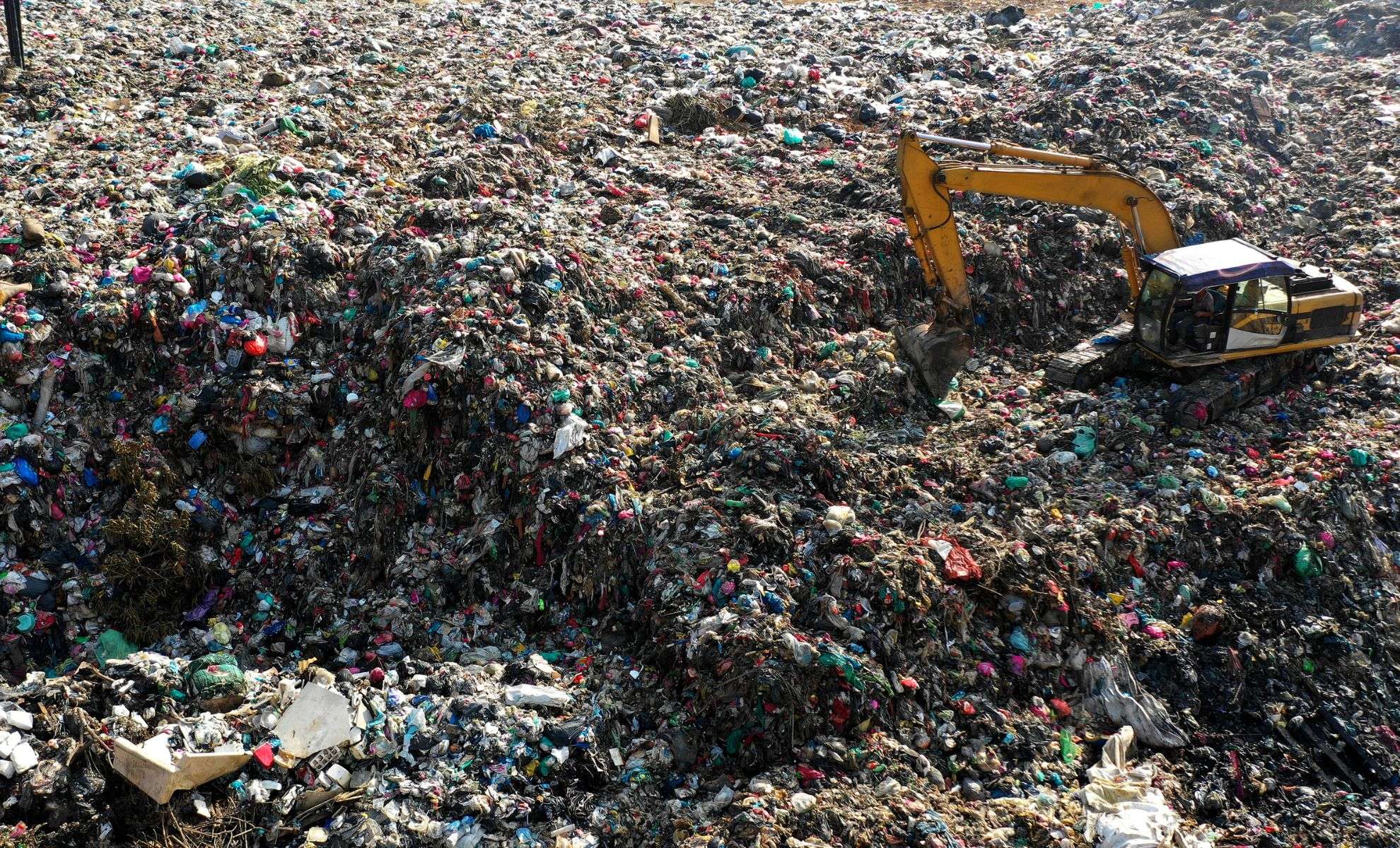
James Howells, an IT specialist from Newport, South Wales, once owned an incredible stash of 8,000 Bitcoins. In 2013, those digital coins were valued at about $8 million—a hefty amount, but nowhere near their future peak.
Tragically, Howells accidentally threw away the hard drive storing the private keys needed to access his Bitcoins. Over the years, his search for it became a cautionary tale about the risks of losing digital assets. After more than a decade of relentless attempts, he has finally halted his efforts, with the valuable drive still buried under a landfill.
The Loss That Sparked a Long Hunt
It all began during an office cleanup in 2013 when Howells mistakenly discarded the hard drive that contained access to his Bitcoin holdings. At that time, Bitcoin was an underdog cryptocurrency with modest value, unrecognized for the massive surge in worth it would later experience. The discarded drive, now potentially worth around $742 million, was buried in a landfill site in Newport and lost to sight.

As Bitcoin's price skyrocketed, Howells realized the magnitude of his error. His initial frustration turned into a daunting quest to retrieve the hard drive, but unearthing it from beneath tons of waste proved incredibly challenging.

A Complex Battle with Time and Regulation
Determined to recover his lost fortune, Howells proposed an elaborate recovery strategy involving cutting-edge technology such as AI-driven drones and robotic devices to safely sift through the landfill. He pledged to cover the costs himself, requesting only permission from Newport City Council to begin the operation.
Despite these efforts, local authorities declined, concerned about the risk of releasing toxic gases and contaminating nearby water supplies. Additionally, UK waste legislation complicates recovery since landfill contents legally belong to the site, and disturbing them could violate environmental laws.
Legal Hurdles and the Final Verdict
Howells’ struggle extended into the courtroom, where his case faced numerous legal barriers. By 2024, a judge determined that his attempts to recover the drive had “no realistic prospect” of succeeding. This ruling followed over a decade of efforts, including expert evaluations confirming how harsh landfill conditions likely destroyed the hard drive.

The court cited multiple issues: exposure to moisture, pressure, and temperature extremes over eleven years likely rendered the hard drive unusable. Legal limits on claim periods also influenced the dismissal. Experts noted that even if access were granted, the probability of the drive remaining intact was minimal.
Following this decision, Howells officially ended his pursuit. His experience underscores the precarious nature of digital fortunes that hinge on securing critical private keys.
Upcoming Documentary Reveals His Journey
Although his legal fight has closed, Howells’ story will continue to reach audiences. A BBC report highlights that the Los Angeles-based production company LEBUL has secured rights to produce a docuseries, podcast, and short-format content titled “The Buried Bitcoin: The Real-Life Treasure Hunt of James Howells”.
The documentary will explore Howells’ recovery attempts, his innovative technology plans, and legal challenges, featuring extensive CGI to vividly illustrate the story. It is scheduled for release in late 2025.
Expressing enthusiasm, Howells said the film offers a way to share his experience globally. “This is the first time I’ve been able to show the world exactly what we want to do at the landfill site,” he said. Despite the court’s verdict, he insists, “I’m not giving up the fight.”
- Categories:
- News











0 comments
Sign in to Comment