
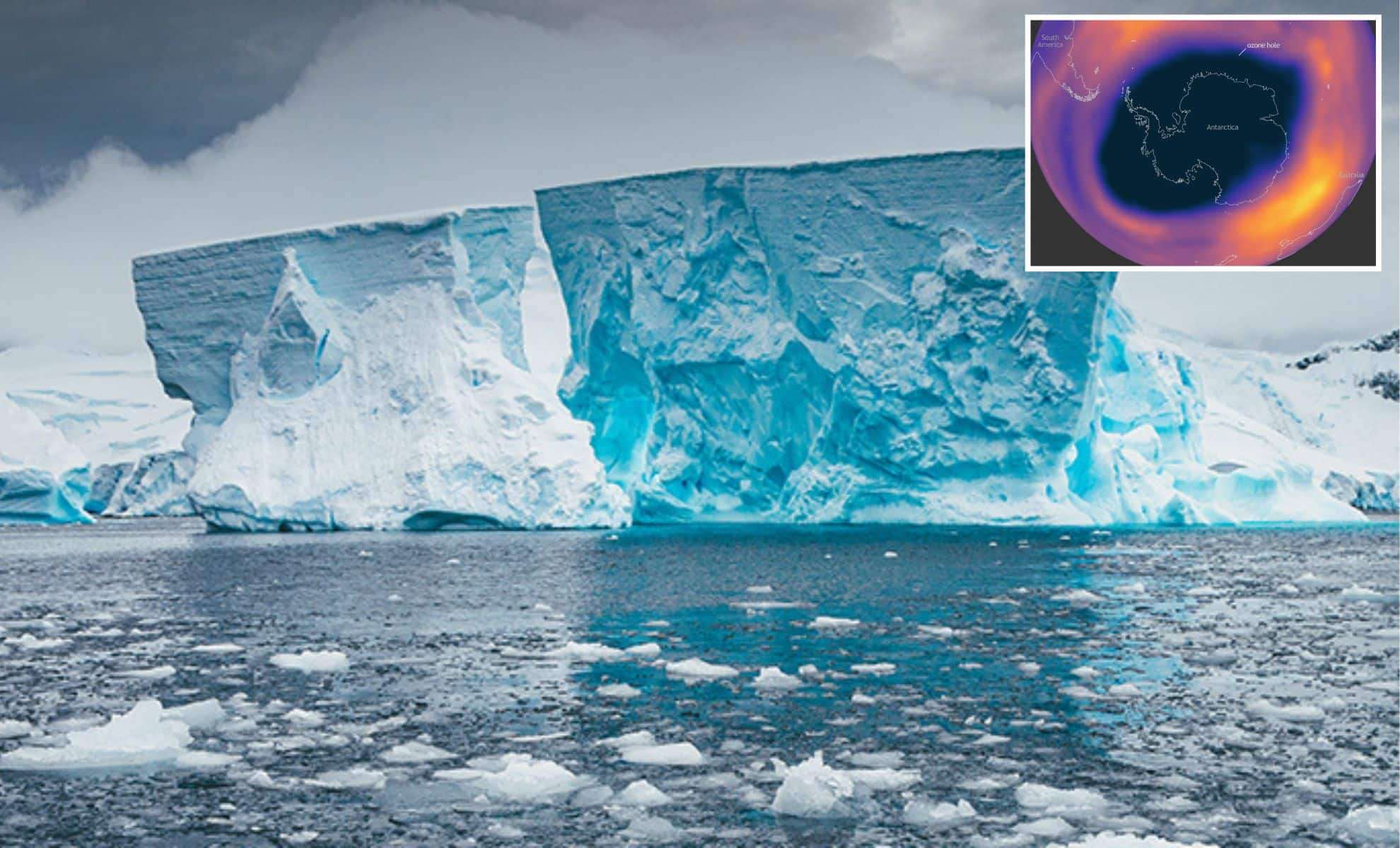
After years of monitoring and cautious hope, scientists have now verified with strong statistical evidence that the ozone layer above Antarctica is on a clear path to restoration and may completely recover within the next ten years. This pivotal insight comes from a recent MIT-led analysis, offering the most compelling confirmation that global policies aimed at eliminating ozone-harming chemicals are producing tangible results—a significant triumph for environmental science and international collaboration.
The seasonal ozone hole developing over Antarctica’s stratosphere has been a prominent environmental concern since its alarming discovery in the 1980s, linked directly to human-produced chlorofluorocarbons (CFCs) found in various aerosols, refrigerants, and solvents. Due to rigorous international measures such as the Montreal Protocol, the ozone layer is now clearly progressing toward complete recovery by 2035.
Major Findings Affirm the Shrinking Ozone Hole
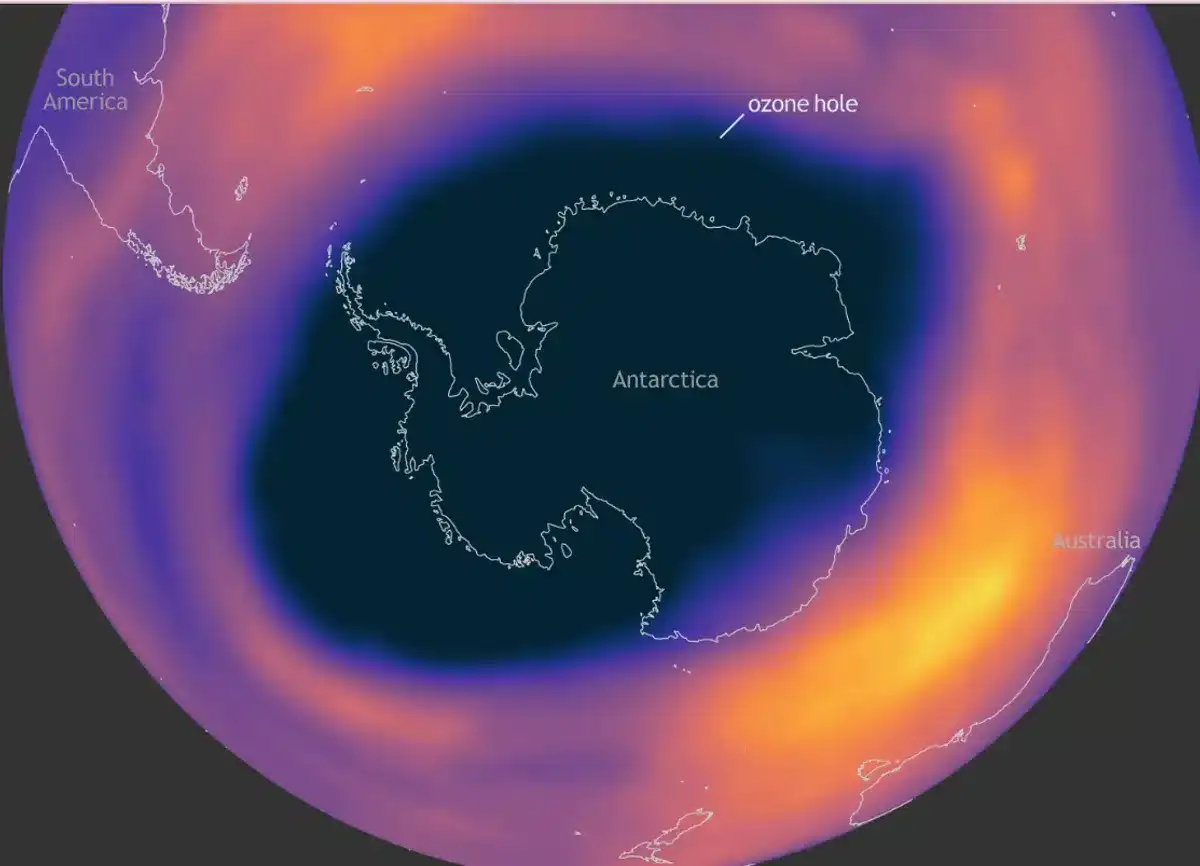
Recent research strengthens the evidence that the Antarctic ozone hole is gradually diminishing thanks to longstanding global initiatives to phase out ozone-depleting substances. The study, featured in Nature, establishes with 95% statistical confidence that this positive trend stems from human-driven environmental policies rather than natural fluctuations—marking a milestone in atmospheric science.

Susan Solomon, an atmospheric chemistry expert at MIT and contributor to the paper, highlighted the significance of the results: “We have 95 percent confidence that the ozone layer is recovering, which is remarkable. This demonstrates our ability to effectively address environmental challenges.”
Solomon played a key role in linking CFCs to stratospheric ozone depletion in the 1980s, a breakthrough that spurred the 1987 Montreal Protocol. This landmark treaty, endorsed by 197 nations plus the European Union, pledged to eliminate CFCs and other damaging chemicals, becoming one of the most effective environmental accords ever achieved.
Origins and Recovery of Antarctica's Ozone Hole
The ozone layer acts as a vital shield located between 9 and 18 miles above Earth’s surface, absorbing dangerous ultraviolet (UV) sunlight that can lead to skin cancer, eye damage, and ecological harm.
Scientists discovered during the 1970s and 80s that the ozone layer was thinning significantly over Antarctica, creating a yearly “hole” each September. This was primarily caused by the breakdown of ozone molecules triggered by CFCs. The South Pole’s extremely cold stratospheric conditions accelerated this destructive process, making it the epicenter for ozone depletion.
Since the enforcement of the Montreal Protocol, production and emission of ozone-depleting substances have fallen drastically, leading to a consistent decrease in ozone loss. Now, after examining 15 years of satellite data, the newest analyses confirm the ozone hole is shrinking steadily with each passing year.
“We could witness the disappearance of the ozone hole around 2035,” Solomon commented. “This will be an extraordinary milestone, and many people alive today will witness the ozone hole vanish completely. This was an achievement made possible by collective action.”
Lessons for Combating Climate Change
The success story of ozone recovery stands as a rare example where humanity has collectively resolved a global environmental crisis. The Montreal Protocol exemplifies how science-guided legislation, worldwide cooperation, and industrial innovation can yield concrete environmental benefits.
This achievement prompts reflection on whether similar unified approaches can be mobilized to address climate change.
Although the challenges posed by greenhouse gas emissions are more complex, some specialists see the ozone layer’s healing as a strategic example for climate action. The key principles include:
- Agreement on scientific facts—undeniable evidence linking CFCs to ozone loss was crucial for governmental commitment.
- Global participation is essential—when nearly every nation acts, the impact is undeniable.
- Adapting industry is feasible—companies successfully transitioned away from harmful chemicals, showing economic shifts don’t have to cause economic harm.
While battling climate change is still a daunting task, the Montreal Protocol’s achievements offer hope that coordinated global efforts can deliver meaningful environmental progress.
- Categories:
- News










0 comments
Sign in to Comment