
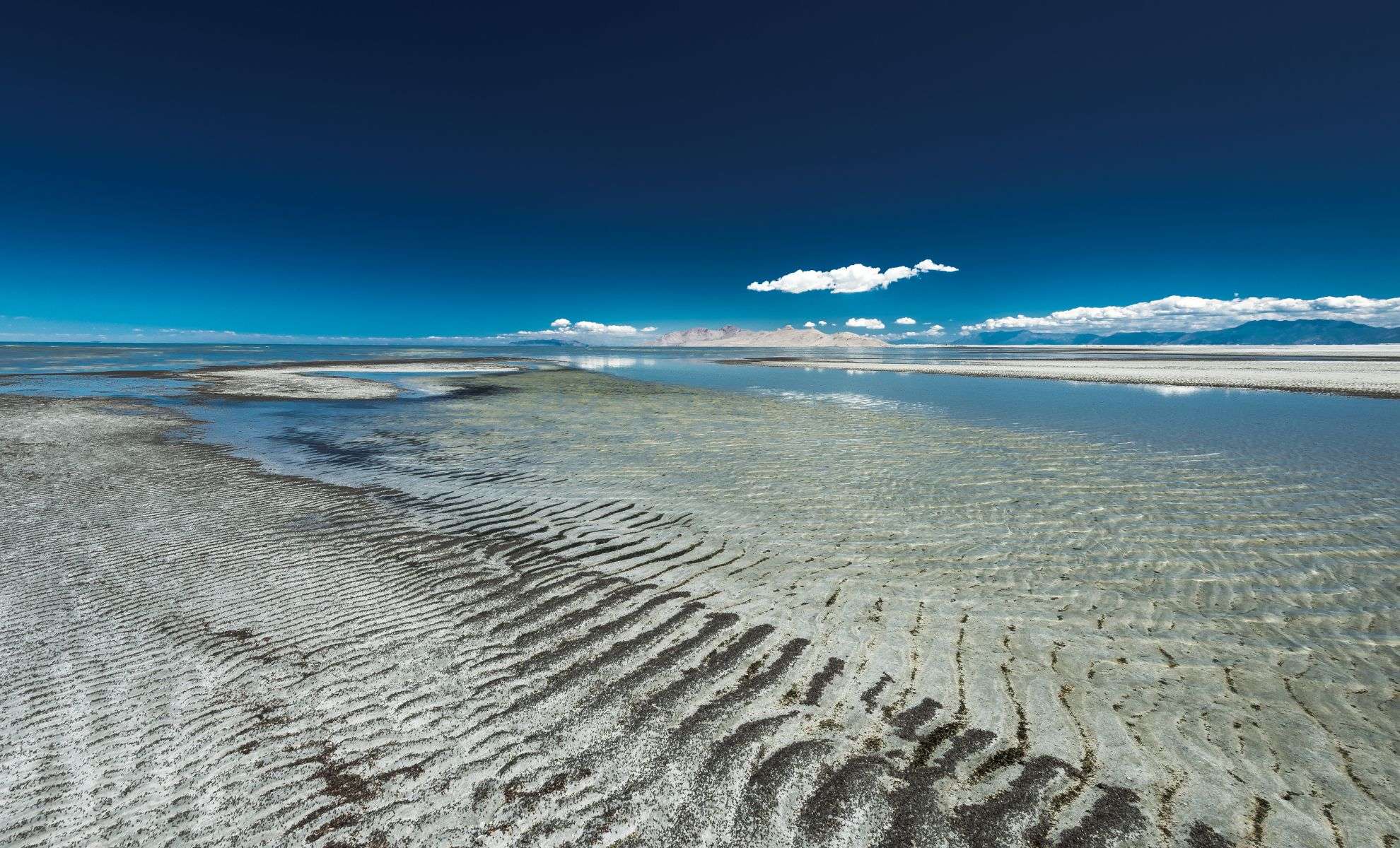
New research identifies the Great Salt Lake as an increasing source of greenhouse gases due to its ongoing shrinkage.
Human activities, especially extensive water diversion for farming and industry, have lowered the lake’s water levels, exposing sediment layers that release high volumes of carbon dioxide and methane.
In 2020, emissions from the lake were estimated at 4.1 million tons, significantly adding to Utah’s overall greenhouse gas footprint and raising alarms about their effects on climate change locally and worldwide.

Revealing the Emission Sources from Exposed Lake Sediments
The retreating waters of the Great Salt Lake reveal large sections of its bed, which emit greenhouse gases previously trapped under the surface. This process is intensified by human-driven reductions in water inflow, mainly caused by agricultural water use and diversion.
Soren Brothers, the lead investigator and ROM’s Allan and Helaine Shiff Curator of Climate Change, stressed the gravity of the issue, stating, “Human-caused desiccation of Great Salt Lake is exposing huge areas of lake bed and releasing massive quantities of greenhouse gases into the atmosphere.”
Emissions from the Great Salt Lake comprise about 7% of Utah’s total anthropogenic greenhouse gas emissions, underscoring the critical environmental influence of this natural emitter. Similar ecological crises involving shrinking water bodies, such as the Aral Sea and Lake Urmia, highlight the urgent need for sustainable water resource management.
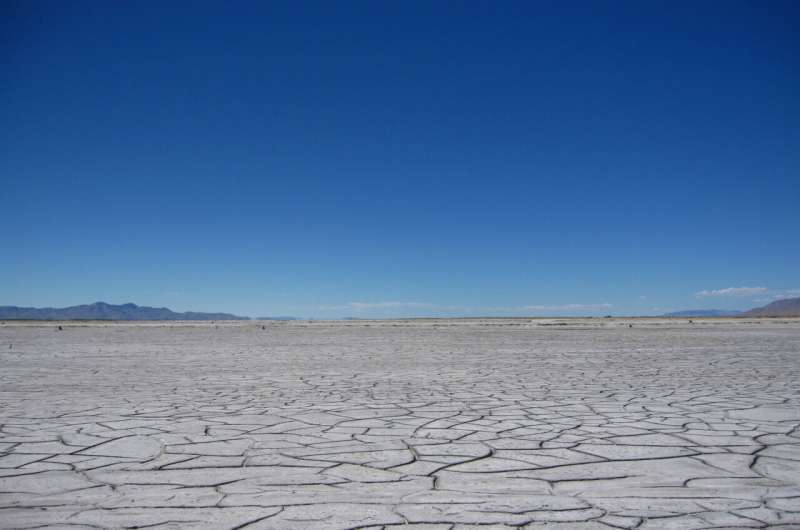
Hazards of Toxic Dust from the Dry Lakebed
Alongside greenhouse gases, the exposed soils of the Great Salt Lake emit dangerous dust particles, which threaten public health in surrounding communities. Dust storms carry fine particulate matter such as PM10 and PM2.5, linked to serious respiratory and cardiovascular illnesses.
Research at the University of Utah has detected toxic elements in the dust, including arsenic and heavy metals, disproportionately impacting minority and low-income residents. Kevin Perry, an expert on Great Salt Lake dust, remarked on data shortages: “People always ask me, ‘How often are these dust events?’ I don’t know. ‘Are they getting worse?’ I don’t know. ‘Are they causing a health impact?’ I don’t know, because we don’t have the data.”
The absence of robust monitoring equipment hampers efforts to evaluate and reduce these health risks, highlighting the need for enhanced environmental monitoring and targeted public health responses.
Critical Steps Needed for Environmental and Health Protection
The revelations about greenhouse gas emissions and dust hazards from the Great Salt Lake underscore the pressing requirement for integrated mitigation strategies. In 2023, the Utah Legislature allocated over $275,000 to acquire new PM10 monitors, aiming to improve understanding of dust emission levels.
Yet by mid-2024, deployment of this monitoring gear remains pending, leaving critical gaps in air quality data. Chris Pennell of the Division of Air Quality emphasized the importance of careful planning, stating, “We really just want to get it right and make sure that we’re purchasing the right instruments that are going to be able to answer the questions the best we can.”
With nearly 800 square miles of lakebed now uncovered, the risks of dust storms are more pronounced than ever, demanding swift and effective responses. This includes not only improving monitoring but also restoring water levels, controlling dust emissions, and protecting public health.
The condition of the Great Salt Lake exemplifies a global environmental challenge, highlighting the necessity for collaborative efforts among scientists, policymakers, and communities to address shrinking saline lakes.
- Categories:
- News ,
- Science ,
- Climate change











0 comments
Sign in to Comment