

Blue Origin is preparing for the second launch of its New Glenn rocket, scheduled to deliver NASA’s pioneering ESCAPADE mission to Mars on September 29, 2025. As reported by Space.com, the company has been working closely with NASA to ready this critical flight. Originally planned for New Glenn’s maiden voyage in January 2025, NASA postponed the ESCAPADE launch to avoid risks associated with the rocket’s inaugural flight. Now, with a confirmed launch window, anticipation is growing for this important interplanetary journey.
ESCAPADE: Unlocking Mysteries of Mars’ Magnetosphere
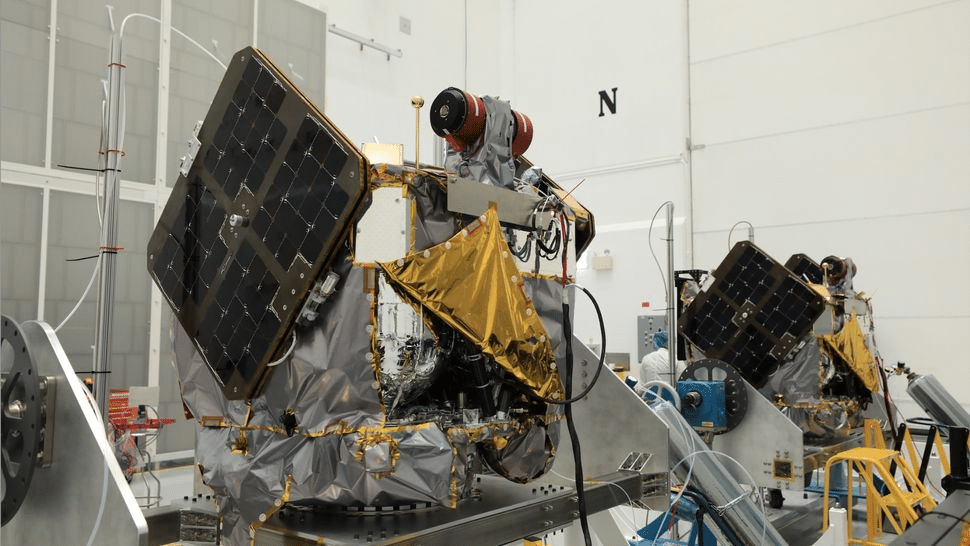
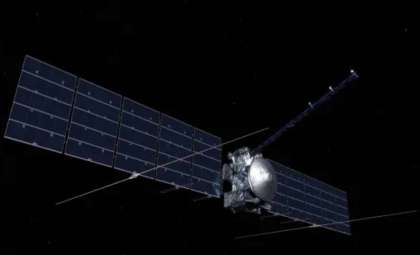
Upcoming New Glenn liftoff marks a pivotal achievement for Blue Origin and Mars exploration. The twin ESCAPADE spacecraft are engineered to investigate Mars’ magnetosphere by examining solar wind’s effects on the planet’s atmosphere and near-space environment. After launch, these probes will embark toward Mars to collect vital data that will deepen scientists’ insights into Martian space weather. Valued at around $80 million, the mission is managed by the University of California’s Space Sciences Laboratory, which will oversee operations once the probes are in orbit.
New Glenn’s Venture into Deep Space Launches
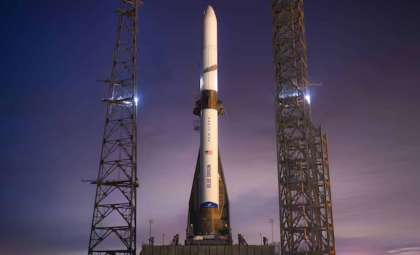
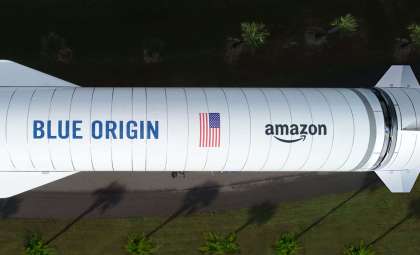
This mission will be the first time New Glenn carries a payload destined for beyond Earth’s orbit. The New Glenn rocket, standing 188.5 feet tall, was created to compete in the commercial launch market with an emphasis on heftier payloads. Though the rocket’s development has advanced, this flight poses a critical challenge for Blue Origin to deliver the ESCAPADE probes safely and validate New Glenn’s capability for interplanetary missions.

Testing Reusability with New Glenn’s First Stage Booster
The towering 57.5-meter first stage booster will be tested during this mission. Post-launch, Blue Origin plans to recover the booster via a drone ship stationed in the Atlantic Ocean, continuing their pursuit of reusable rockets to cut space travel costs. Although the rocket’s initial flight in early 2025 succeeded in reaching orbit, the booster recovery attempt fell short. Blue Origin aims for a successful booster landing this time, moving closer to fully reusable launch vehicles.
Enhancing Space Communication with a Secondary Payload
Besides ESCAPADE, New Glenn will transport a secondary payload on its NG-2 flight: a technology demonstration from satellite communications provider Viasat. This project supports NASA’s Communications Services Project, focused on improving satellite communications for near-Earth and interplanetary missions. Viasat’s contribution is expected to advance future space communication networks essential for NASA’s upcoming missions to the Moon, Mars, and beyond.
- Categories:
- News








0 comments
Sign in to Comment