
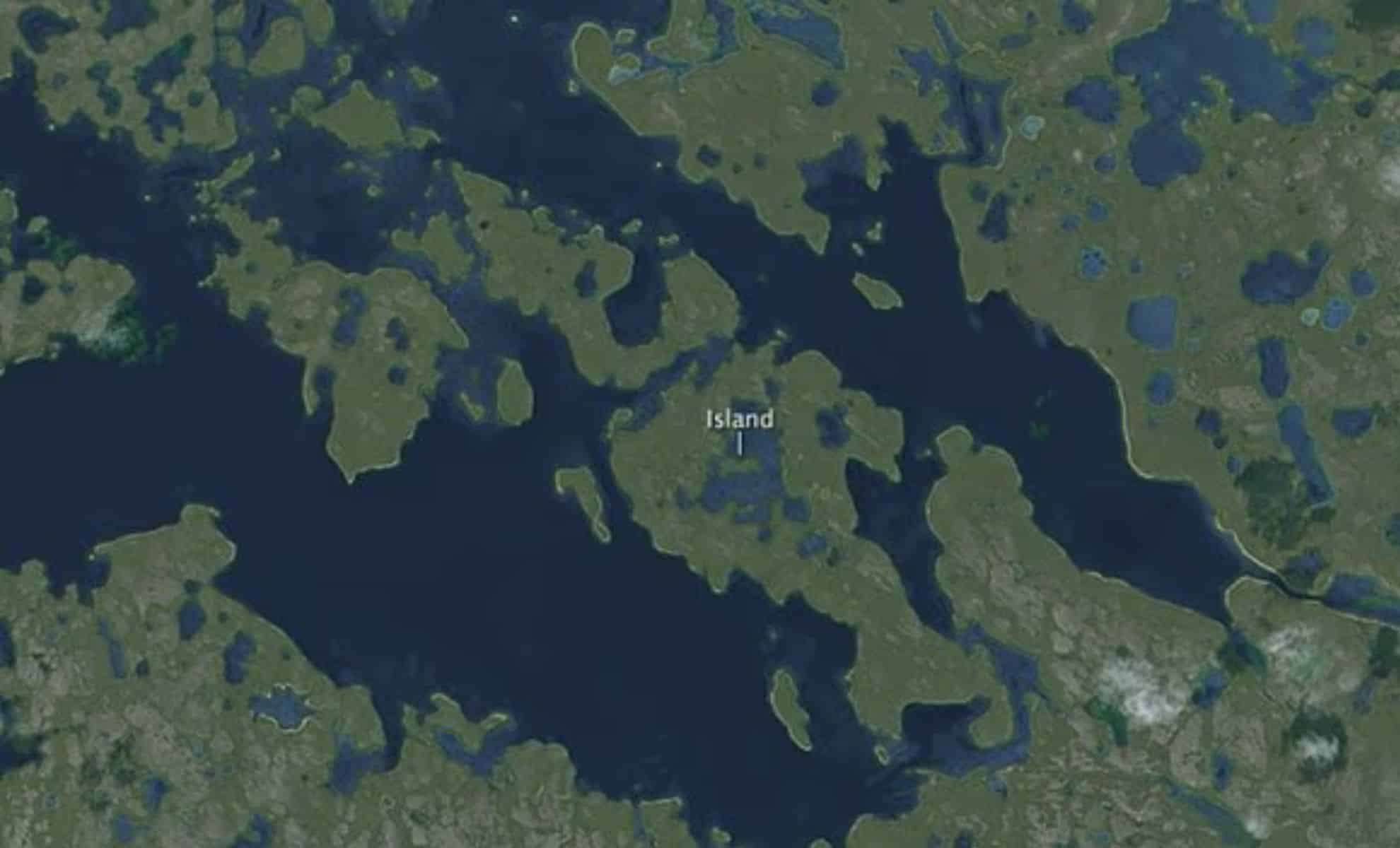
A fascinating geographical curiosity uncovered in Canada’s far north has captured widespread attention online. This extraordinary island, recognized as the largest known island-in-a-lake-on-an-island-in-a-lake-on-an-island on Earth, gained viral fame after an Instagram post by @mindset.therapy. The complex nested arrangement has amused and puzzled many users, who admit the concept was a challenging mental twist.
Unraveling Canada’s Intriguing Nested Island Formation
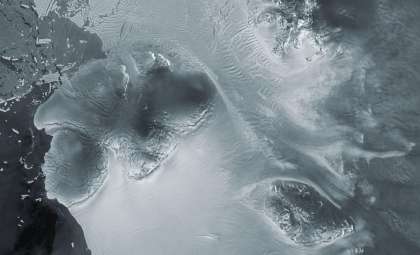
This remarkable landform centers around a small, seahorse-shaped island stretching about 300 meters (roughly 1,000 feet). It lies within a modest unnamed lake that occupies much of a considerably larger island. That larger island, in turn, sits inside a 55-mile-long lake near Victoria Island, which ranks as the eighth biggest island globally.
While initially perplexing, understanding this natural puzzle becomes easier when thinking of it as a recursive island. Online commenters were quick to share their amusing reactions, with remarks like “My brain is officially scrambled” and “I got a headache just trying to wrap my head around this.” Others joked about experiencing a “brain cramp” from processing the complex formation.

Defining the Recursive Island Concept
This exceptional island structure belongs to a rare category called recursive lakes — lakes that house islands, which themselves include lakes with islands. Previously, the title for the largest such formation went to Volcano Island in Lake Taal on the Philippine island Luzon. However, recent satellite data confirmed that this unnamed northern Canadian island surpasses it in size, claiming the new world record.
Beyond casual curiosity, recursive lakes provide valuable insights for scientists. Their existence depends on unique geological histories, often shaped by glacial activity over millennia.
Victoria Island’s Role in Nested Island Geography
Victoria Island, known locally by the Inuit as Kitlineq, lies in the Arctic region and contains numerous lakes and islands, many exhibiting recursive patterns. This island surpasses the state of Idaho in size, though its population remains under 2,000 people. The remote nature and difficult terrain limit exploration, leaving many of its nested islands largely unexplored.
The vast landscapes of Canada are ideal for such formations due to their glacial heritage. During the last Ice Age, glaciers sculpted the terrain, creating small lakes surrounded by deposits of glacial till—a mixture of clay, rocks, and sand. This process generated countless lakes containing islands, some of which feature their own lakes, producing these unique recursive structures.
The Geological Science Behind the Phenomenon
Dr. Daniel Kerr, a geologist from the Geological Survey of Canada, notes that the region became free of ice approximately 8,000 years ago. However, glacial pressure had caused the land to subside, allowing the Arctic Ocean waters to flood, shaping a landscape dotted with lakes and islands, many nested within each other.
This fascinating blend of geographic and glacial forces has produced Canada’s characteristic recursive lakes, including the newly highlighted formation near northern Victoria Island.
- Categories:
- News





0 comments
Sign in to Comment