

Turmeric, famous for its bright yellow color and widespread culinary use, contains curcumin, a compound celebrated for its significant health-promoting properties.
Beyond curcumin, turmeric itself has been investigated for its range of therapeutic effects. Recent studies, including insights from the Australian Therapeutic Goods Administration (TGA), eMedicineHealth, and Infobae, shed light on both the advantages and possible risks of turmeric, particularly in relation to liver and kidney function.
How Turmeric Benefits the Liver
Turmeric is rich in bioactive substances that contribute positively to liver wellness.


Significant benefits include:
- Antioxidant Defense: The antioxidants found in turmeric protect liver cells by combating oxidative stress and neutralizing harmful free radicals, which helps prevent liver damage and conditions such as fatty liver disease and cirrhosis.
- Reduction of Inflammation: Since chronic inflammation contributes to liver ailments, turmeric’s anti-inflammatory properties help soothe liver tissues. These benefits derive from multiple components in turmeric, not just curcumin, collectively reducing inflammatory responses.
- Enhancement of Detoxifying Functions: Turmeric promotes the liver’s ability to detoxify by boosting enzyme activity responsible for clearing toxins, which is vital for maintaining liver health amid exposure to environmental pollutants and harmful substances.
- Support for Healthy Fat Metabolism: Turmeric influences lipid processing by aiding in cholesterol regulation and preventing excessive fat buildup in the liver, thereby reducing the risk of fatty liver disease.
- Promotion of Liver Cell Healing: Turmeric’s properties assist in repairing and regenerating damaged liver cells, which is essential for recovery from liver injuries and chronic conditions.
Turmeric’s Role in Kidney Health Preservation
Turmeric extends protective effects to kidney function through its antioxidant, anti-inflammatory, and nephroprotective mechanisms.
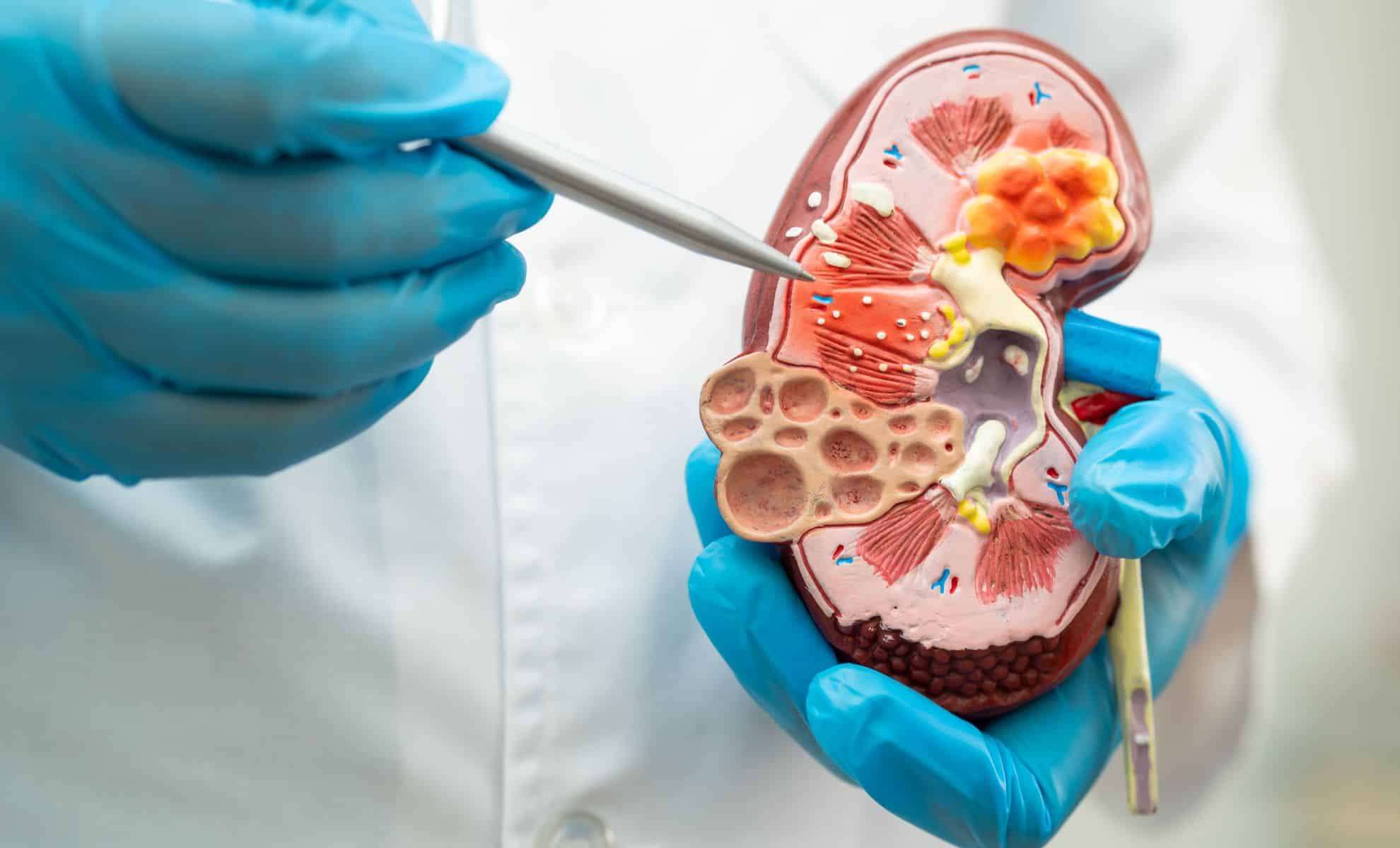
Crucial kidney health benefits are:
- Lowering Oxidative Damage: Turmeric’s antioxidants decrease oxidative stress within kidney tissues, helping protect renal cells from injury and supporting optimal kidney function.
- Inflammation Control: The anti-inflammatory effect aids in reducing inflammation in kidney tissues, which is key in managing chronic kidney disease and slowing its progression.
- Defense Against Harmful Agents: Turmeric shields the kidneys from toxins, including certain drugs and environmental contaminants, that could potentially cause kidney damage.
- Blood Pressure Regulation: By assisting in blood pressure management, turmeric indirectly supports renal health, since hypertension is a leading cause of kidney problems.
- Reduction of Abnormal Protein Loss: Turmeric may decrease proteinuria (excess protein in urine), which is a common symptom of kidney impairment, thus helping safeguard kidney function.
- Protection from Diabetic Kidney Damage: For diabetics, turmeric helps diminish inflammation and oxidative stress linked to diabetic nephropathy, reducing the risk of kidney failure related to diabetes.
Potential Hazards of Excessive Intake
While turmeric offers health advantages, consuming it in very high amounts can be dangerous. The TGA has reported instances of liver toxicity linked to large doses of curcumin, potentially causing elevated liver enzyme levels and, in severe situations, liver failure. These risks increase particularly when turmeric interacts with liver-metabolized medications.
Additionally, turmeric’s elevated oxalate levels may heighten the likelihood of kidney stone formation, especially for individuals prone to this condition. Excessive turmeric can raise urinary oxalate, promoting stone development, and it may also interfere with medicines used for kidney ailments, raising the chance of adverse events.
Recommendations for Safe Use
Balancing benefits and cautions, it’s important to consume turmeric mindfully, particularly supplement forms. According to eMedicineHealth and the TGA, consulting healthcare providers before starting turmeric supplements is essential, especially for individuals with pre-existing liver or kidney issues, to avoid medication interactions and determine safe dosages.
Using turmeric as a culinary spice is generally safe and provides health benefits with minimal risk. However, those considering concentrated supplements should be cautious of potential side effects linked to high doses. Professional advice can help maximize turmeric’s therapeutic value while minimizing health risks for a safe and effective experience.











0 comments
Sign in to Comment