
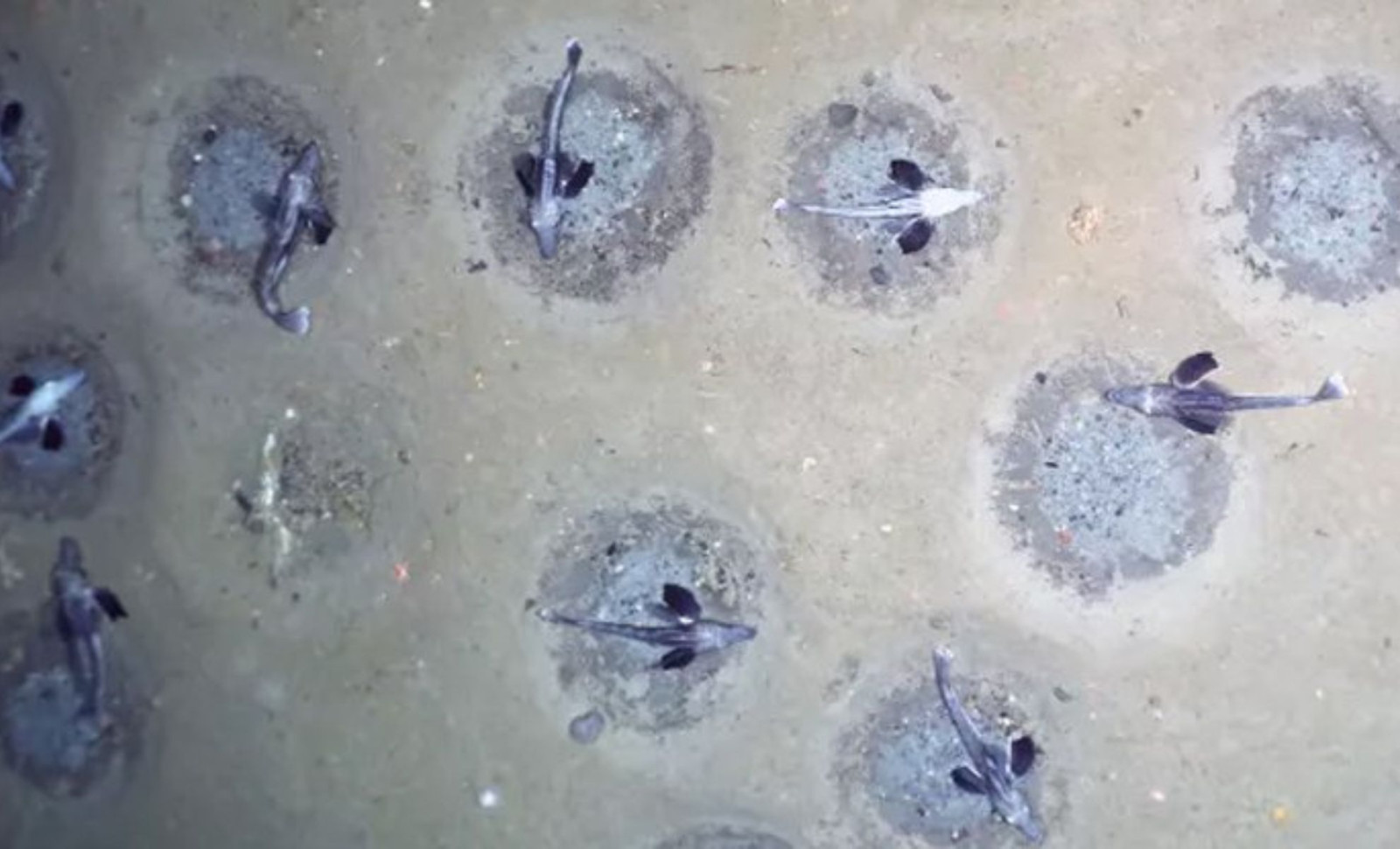
During a deep-sea expedition in Antarctica's Weddell Sea, researchers uncovered an astonishing 60 million nests of icefish scattered across the ocean floor, marking the largest known fish breeding aggregation ever documented. This spectacular find emerged while scientists explored the underwater environment aboard the German research vessel RV Polarstern, capturing vivid images of adult icefish tending to their eggs.
Initially not on a search for fish nurseries, the scientific team from the Alfred Wegener Institute used a specialized underwater camera system named the Ocean Floor Observation and Bathymetry System (OFOBS). This one-ton sled-mounted camera, trailed behind the ship, unexpectedly unveiled the extensive breeding site.
The nests belonged to the species Neopagetopsis ionah, a unique Antarctic icefish distinguished by the absence of hemoglobin in their blood, resulting in their pale, ghostlike appearance—the only known vertebrates with such a trait.

Vast Breeding Grounds Spanning the Antarctic Seabed
The stunning discovery was almost serendipitous. Graduate student Lilian Böhringer was monitoring live footage when she observed numerous nests dotting the seabed. As the camera traversed the bottom, these nests continued to appear endlessly.
“The camera was moving [across the seafloor] and it just didn’t stop. They were everywhere,” she said.
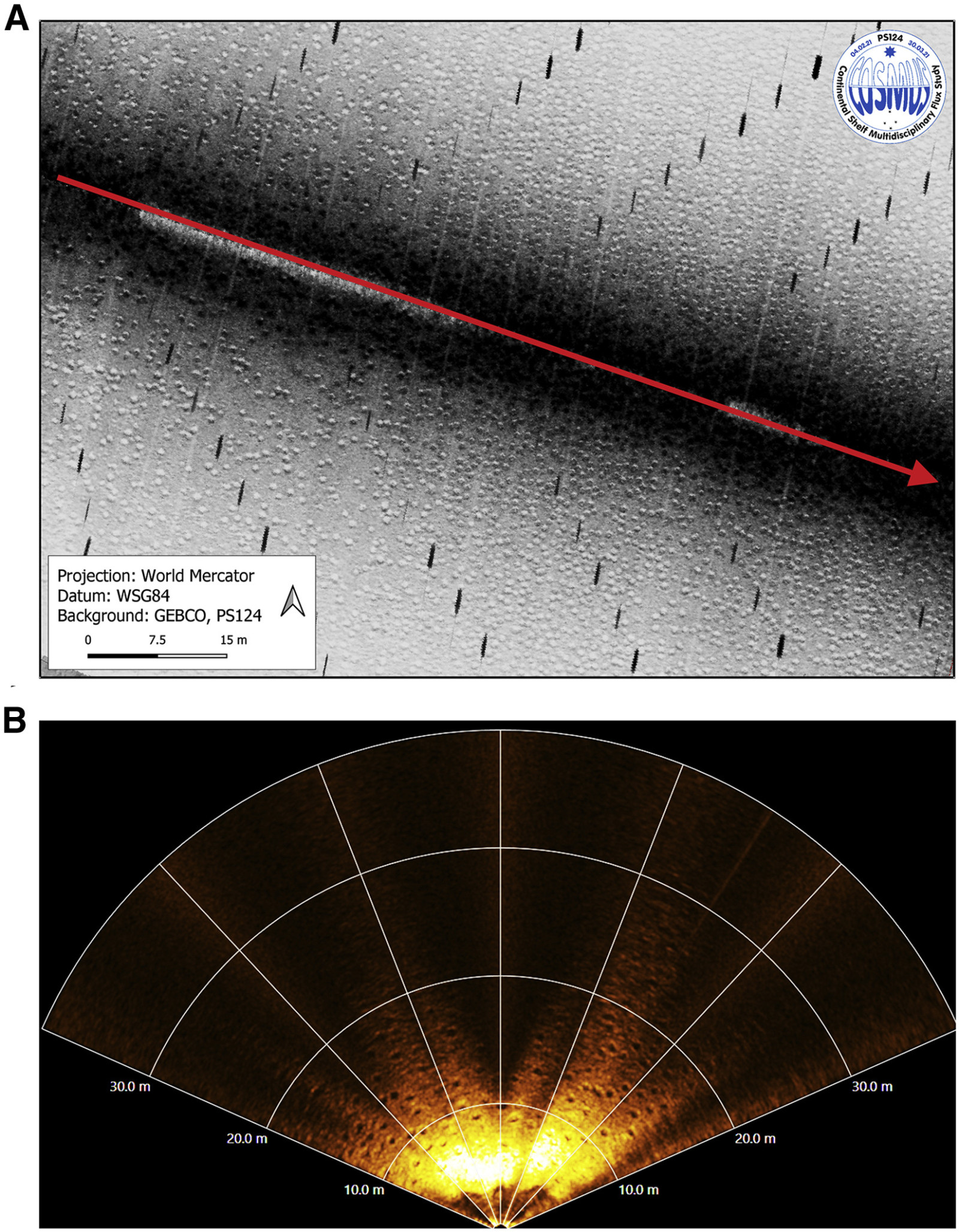
The scale of the breeding area far exceeded previous records, which had only identified clusters with a few dozen nests. This newly discovered colony covers roughly 240 square kilometers (93 square miles) and is estimated to contain around 60 million nests.
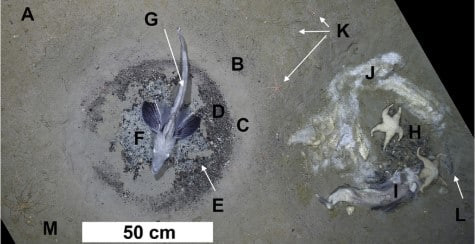
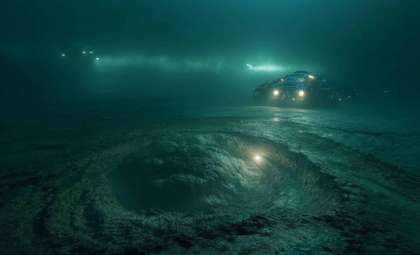
The nests themselves are small depressions dug into the muddy seabed by the icefish. Most nests showcased an adult guarding an estimated 1,700 eggs each, indicating a prolific reproductive environment sustaining countless young fish.
Autun Purser, a researcher from the Alfred Wegener Institute, explained that the significance of the discovery became clear soon after examining the footage.
“We realized after ringing up the home institute the next day that we had found something spectacular,” he explained.
Interestingly, the colony featured a sharp boundary. The dense nest field abruptly ended, reminiscent of territorial edges found in penguin colonies.
“[The colony] went from very, very dense to nothing, much like penguin colonies,” compared Purser. “It was like a line in the sand.”
Warming Currents Foster Ideal Breeding Habitat
The region where the icefish colony thrives coincides with an upwelling of relatively warmer water—about 2 degrees Celsius above the surrounding ocean temperature—flowing from deeper layers. This warm current appears to create favorable conditions for the icefish.
Moreover, it transports microscopic zooplankton to the surface, an essential food source for the hatchlings before they retreat back to the depths.
Purser remarked that although the presence of icefish was expected due to available food, discovering such an expansive breeding site was astonishing. He suggested that the warm water likely explains the congregation of millions of icefish in this area.
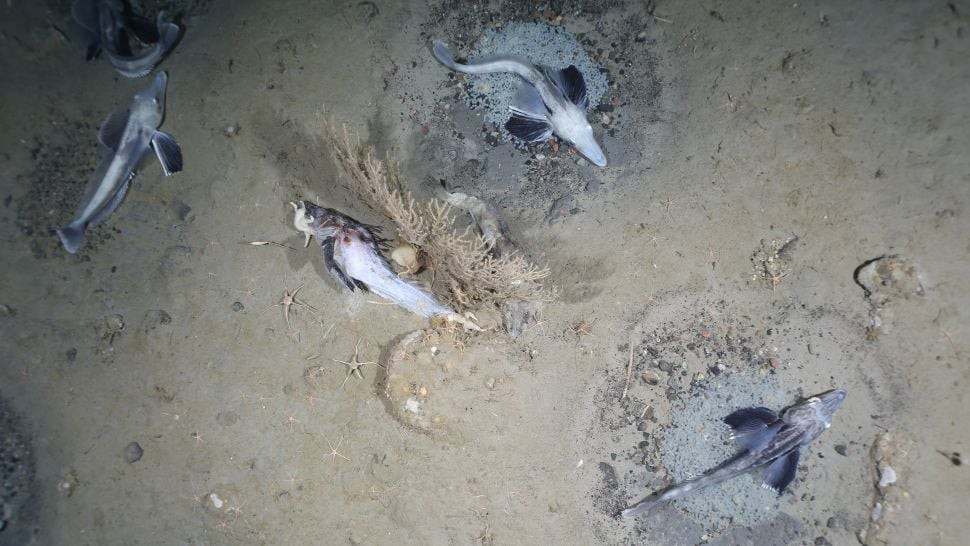
As published in the journal Current Biology, the researchers also observed many deceased icefish scattered among the nests. These remains highlight the colony's role as a crucial component of the local food web, potentially serving as a vital resource for Weddell seals.
Implications for Conservation and Future Studies
This extraordinary discovery has spurred proposals to safeguard the region by the Commission for the Conservation of Antarctic Marine Living Resources, aiming to designate it as a Marine Protected Area.
“The area surveyed harbors the most spatially expansive continuous fish breeding colony discovered to date globally at any depth, as well as an exceptionally high Antarctic seafloor biomass,” stated the study team.
Before leaving, scientists aboard RV Polarstern installed two stationary cameras to monitor the breeding ground continuously. Their ongoing mission is to deepen understanding of how this remarkable icefish nursery evolves and how the species utilizes this rare environment.
- Categories:
- Science





0 comments
Sign in to Comment