
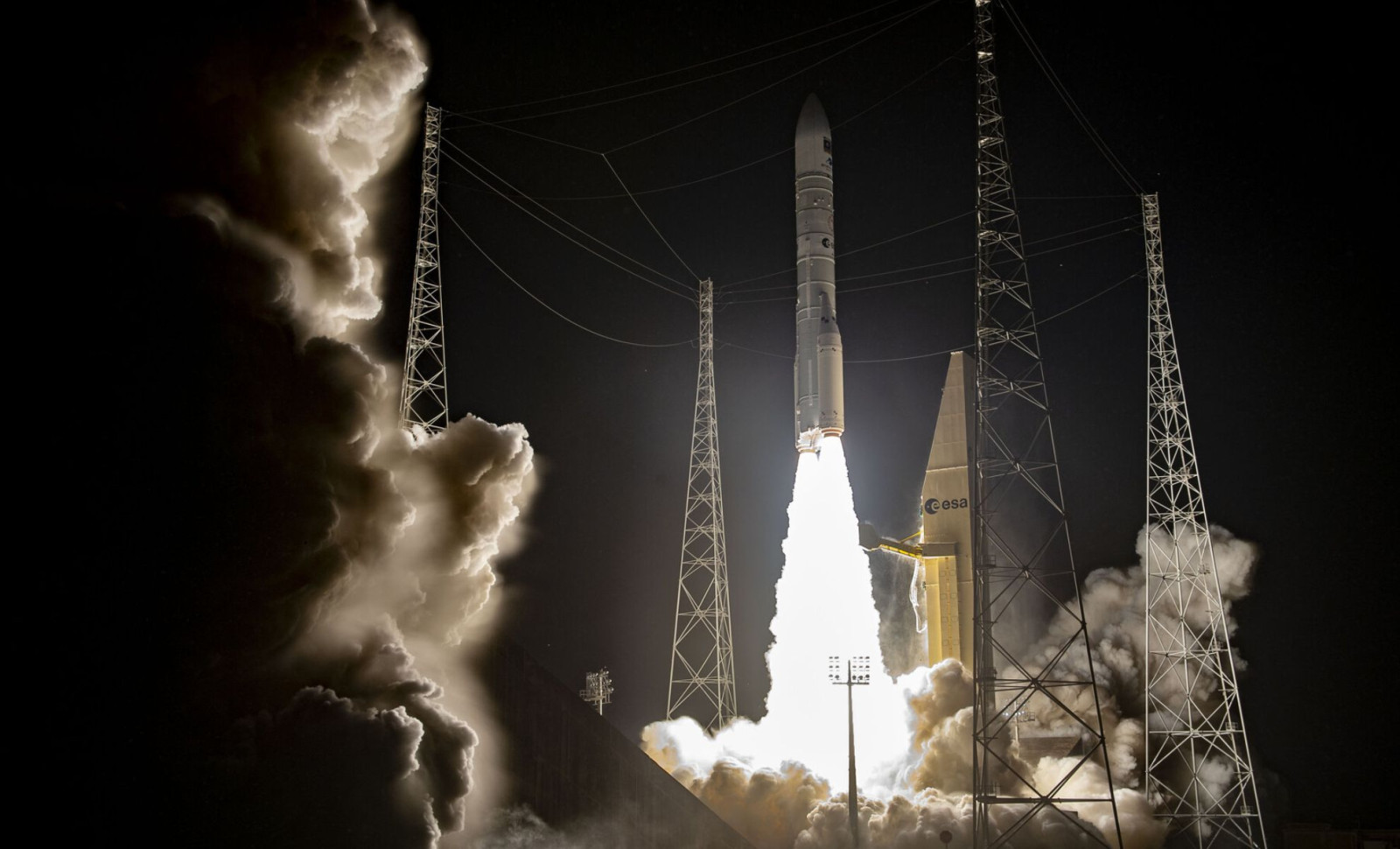
Europe’s Galileo satellite navigation system has welcomed two new satellites, SAT 33 and SAT 34, bolstering its capacity and reliability, according to the European Space Agency (ESA). These units are enhancing one of the most sophisticated global positioning networks, increasing system redundancy and ensuring dependable navigation services worldwide. Their integration signifies a crucial step forward in Europe’s pursuit of maintaining autonomous space-based navigation capabilities. Today, Galileo continues to grow as it supports billions of devices and various industries globally.
Operational Fleet Expands with SAT 33 and SAT 34
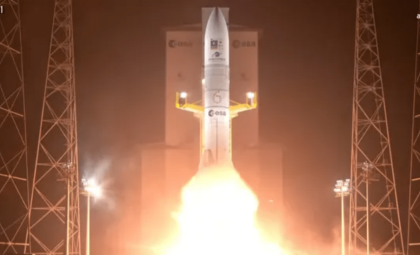
The recently activated satellites are part of the Galileo First Generation batch, designed to fortify the existing constellation and guarantee uninterrupted navigation services. After launching on December 17 during the Galileo 14 mission, the satellites began a rigorous commissioning phase. This launch was noted for achieving one of the most precise orbital insertions recorded for Galileo satellites.
Following deployment from the rocket, SAT 33 and SAT 34 initiated essential startup procedures like unfolding their solar panels, signal acquisition, and initial orbit maneuvers. Teams at the Galileo Control Centre in Germany (GCC-D) expertly guided the satellites to their designated orbits approximately 23,222 km above Earth, positioning them to support the wider Galileo network.

ESA Leads Rigorous Testing and Validation
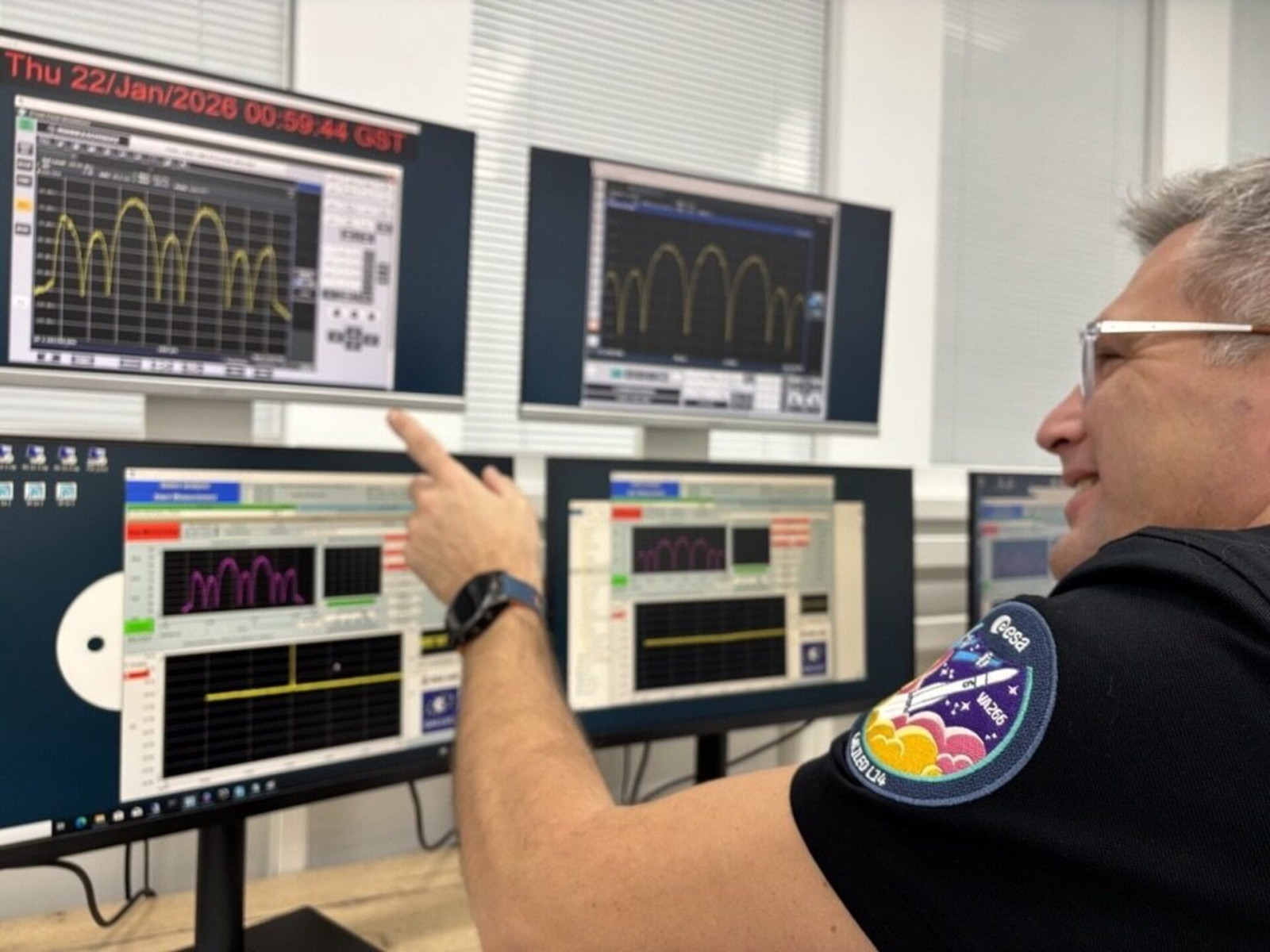
The ESA played a pivotal role in the design, development, and certification of Galileo’s orbital and terrestrial infrastructure, also aiding launch support and technical assessments. After launch, ESA teams conducted thorough validation procedures to ensure the new satellites conformed to the stringent performance standards of the navigation system.
Significant progress was achieved with the satellites’ first signal-in-space transmissions, allowing ground engineers to scrutinize the navigation payloads. Tests concentrated on critical components such as the navigation instruments, atomic clocks, transponders, and security mechanisms, confirming readiness for precise navigation service within the operational Galileo constellation.
The EU Agency for the Space Programme (EUSPA) oversaw service compliance, ensuring the satellites met user requirements. Close cooperation among ESA, EUSPA, and European authorities enabled the satellites to complete commissioning before entering official service.
Ariane 6 Proves Its Accuracy in Galileo Launch
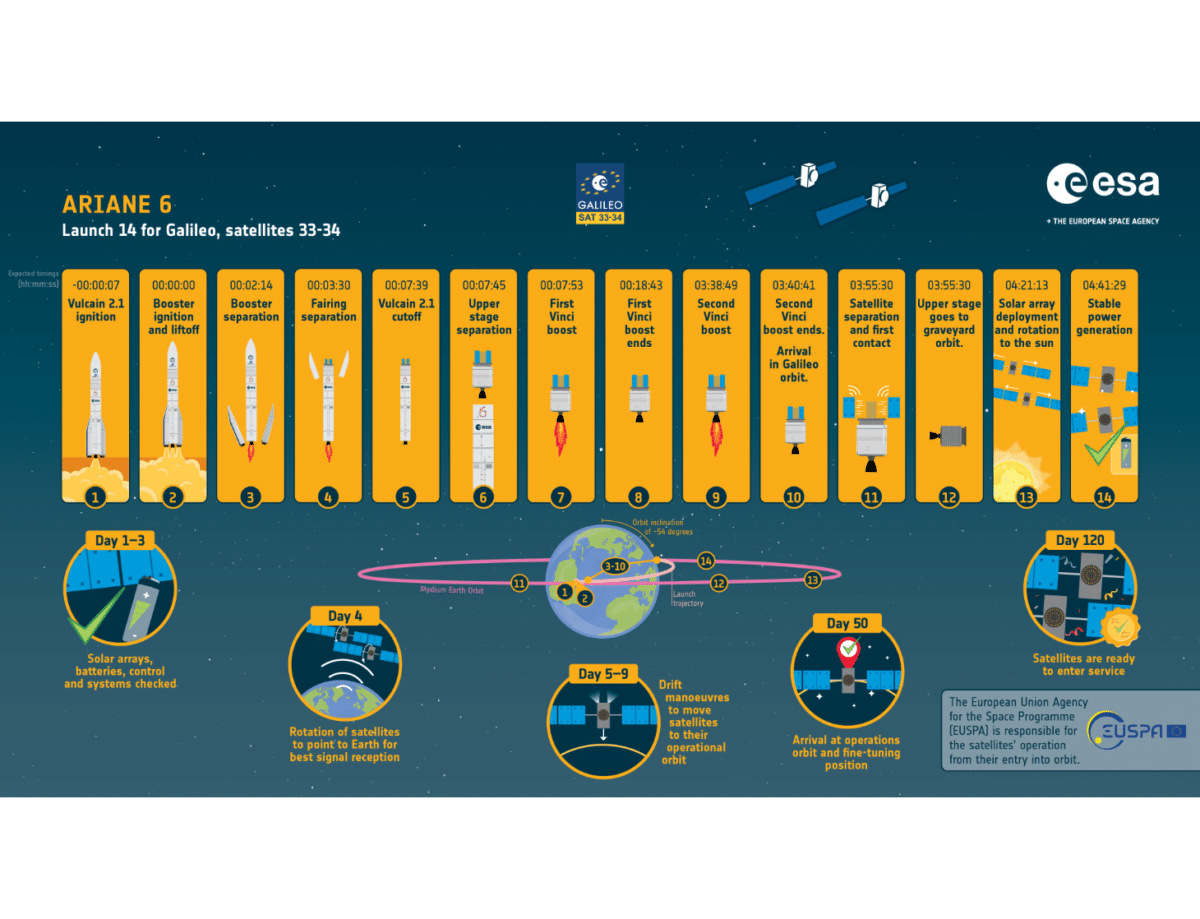
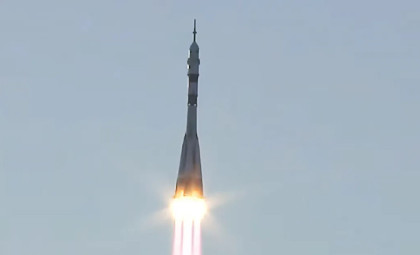
The deployment of these satellites also highlighted the impressive performance of the Ariane 6 rocket, which delivered Galileo spacecraft into orbit with exceptional precision. This mission expanded Ariane 6’s role among Galileo’s launch vehicles alongside Soyuz, Ariane 5, and Falcon 9.
The precise orbital insertion minimizes the need for post-launch orbit corrections, facilitating quicker transition to full operational status. This successful launch underlines the adaptability of Europe’s navigation program, which taps into multiple launch systems to sustain its satellite fleet.
Following launch, engineers closely monitored the satellites’ condition, fine-tuned trajectories, and verified system functionality before granting approval for active service deployment.
Galileo Strengthens Its Role in Global Navigation
Since initiating its Open Service in 2016, Galileo has become a core element of global navigation infrastructure. Its signals now support over five billion smartphone users worldwide and assist diverse sectors including transportation, agriculture, maritime navigation, emergency management, and financial systems requiring precise timing.
Within the European Single Market, all smartphones must support Galileo, raising awareness of European navigation technology among everyday consumers. Beyond consumer electronics, Galileo supports professional applications demanding reliable positioning and timing.
The addition of SAT 33 and SAT 34 strengthens the constellation’s reliability and paves the way for future enhancements. Four more Galileo First Generation satellites remain scheduled for launch, with the next duo expected by year-end.
Europe Advances Its Independent Navigation Ambitions
The operation of these two satellites marks continued growth in Europe’s self-reliant navigation infrastructure. Overseen and funded by the European Commission, Galileo represents a flagship program realized through collaboration among European institutions, industry, and technical experts.
With further satellites in the pipeline and new generations under development, Galileo is evolving into a more extensive and robust global navigation framework. The latest additions emphasize Europe’s commitment to delivering precise positioning services while enhancing its position within the international space community.
- Categories:
- Space





0 comments
Sign in to Comment