
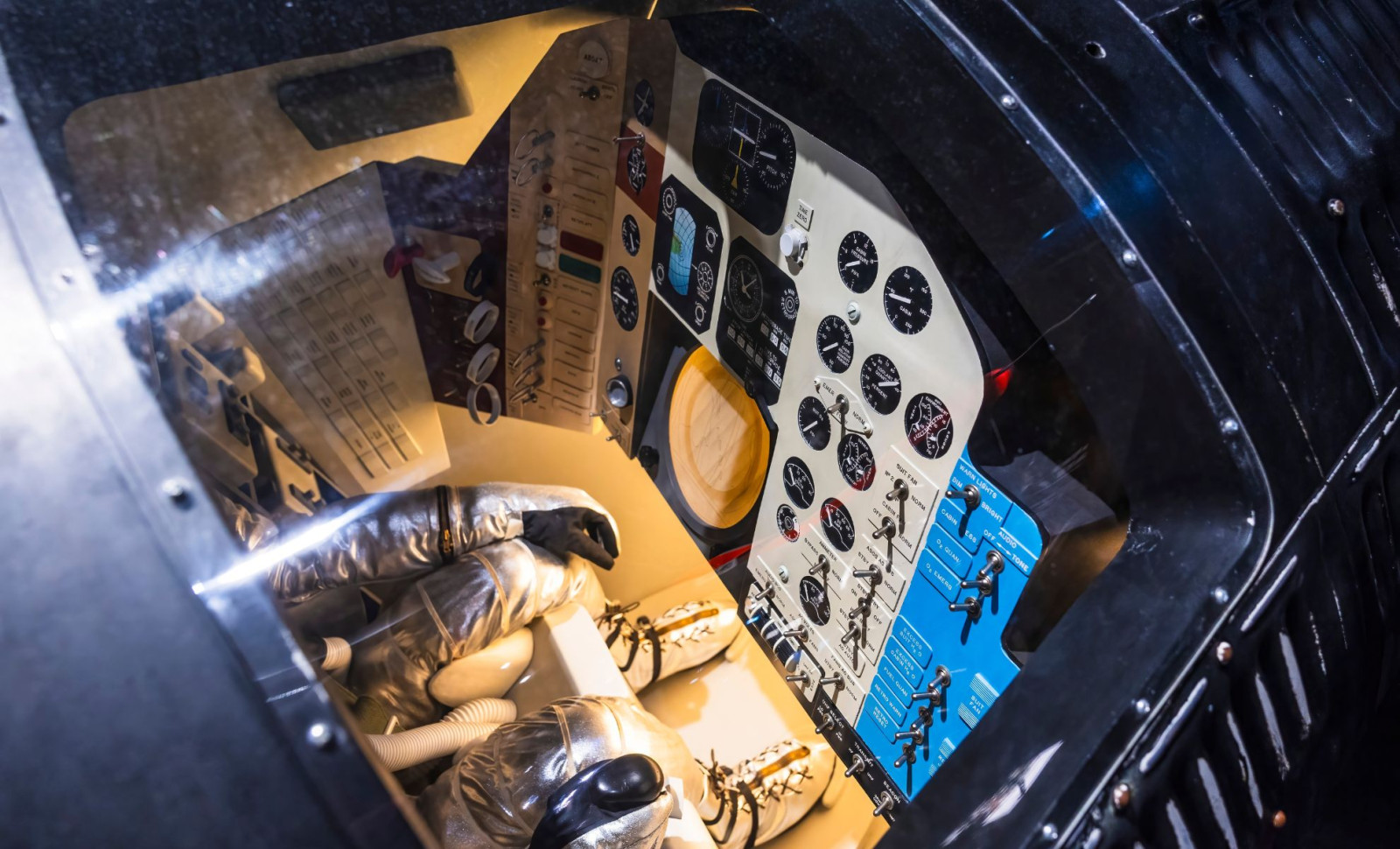
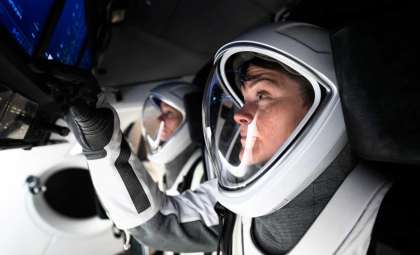
During the SpaceX Fram2 mission, astronauts achieved a milestone by capturing the inaugural X-ray images in orbit, demonstrating that a compact, portable X-ray device is functional in space. The crew successfully performed medical imaging after just a few hours of training while orbiting Earth.
This groundbreaking experiment marks a significant advance in space healthcare, a field where imaging capabilities have been extremely limited so far. For over four decades, ultrasound has been the sole imaging technique available on spacecraft, despite its operational complexities in microgravity.
Ultrasound use entails mastering the equipment and overcoming difficulties related to the confined and noisy spacecraft environment that often impairs image quality. Scientists have sought alternative imaging solutions that would enable astronauts to evaluate injuries or health issues more effectively during missions.

Compact X-ray Device Tested on SpaceX Flight
The Fram2 mission, which launched aboard a SpaceX Falcon 9 rocket on March 31, 2025, included this innovative test, with findings detailed in the journal Radiology. Prior to launch, astronauts underwent a concise four-hour training session to operate the portable MinXray TR90BH digital X-ray system, taking images of various body parts such as the hand, forearm, chest, abdomen, and pelvis.
After reaching orbit, they recalibrated the device and replicated these scans, even testing it on a smartwatch. Traditionally, deploying X-ray equipment in space posed challenges due to system weight, radiation concerns, and the difficulty of capturing images in a constantly moving environment.
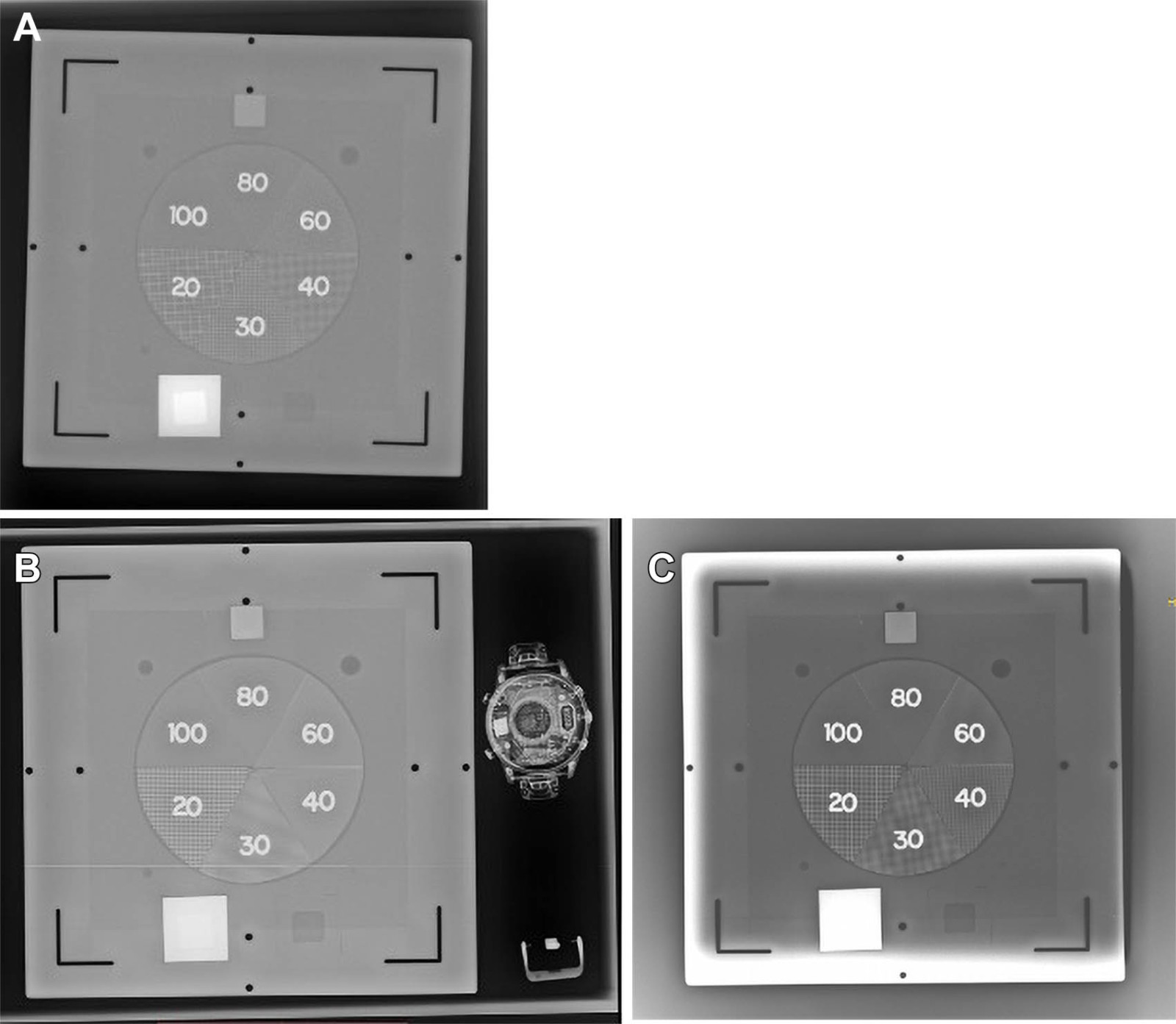
The Fram2 experiment aimed to determine if a small commercial X-ray unit could overcome these obstacles. Despite their non-medical backgrounds, astronauts successfully operated the machine and completed the imaging tasks during their mission.
Non-Experts Produce High-Quality X-ray Scans in Space
Upon returning, three radiologists independently analyzed the orbit-generated images focusing on parameters such as positioning, image clarity, contrast, and overall image quality.
The analysis revealed that most of the space-acquired X-rays closely matched their Earth-based counterparts. Scans of central body regions scored slightly lower on positioning but were otherwise comparable in diagnostic quality.
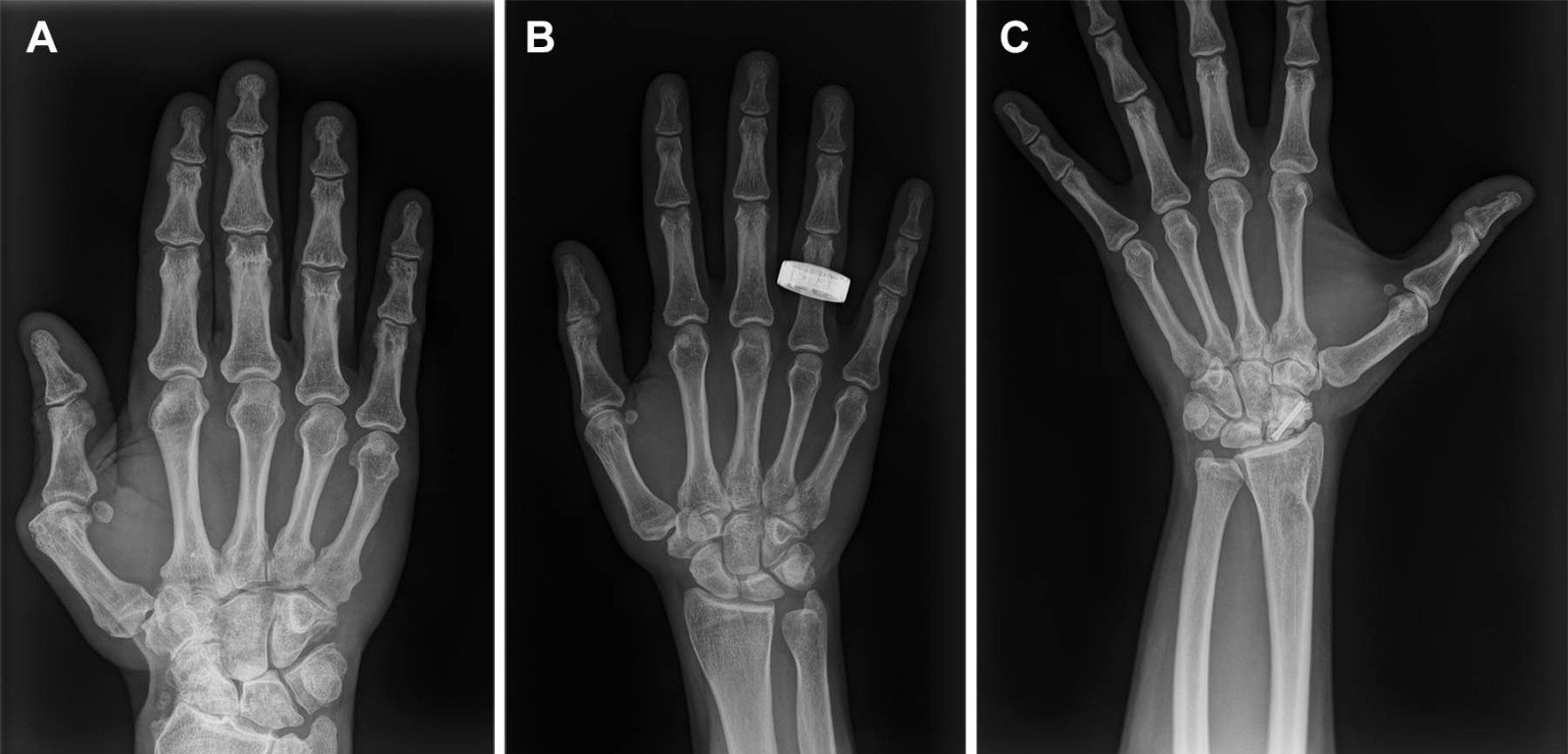
According to the study, the astronauts found the device straightforward to use despite minimal instruction. This validates the potential for crew members without medical expertise to generate useful X-ray images in the space environment.
“Acquiring diagnostically useful X-rays in space is something that anyone can do,” Sheyna Gifford, a researcher at the Mayo Clinic,said. She explained that three nonmedical crew members managed to perform the procedure after only four hours of training.
Potential of X-ray Tech to Enhance Space Safety
Scientists plan to continue refining this technology through upcoming orbital missions, aiming to reduce the device's size. Beyond medical uses, Gifford highlighted that X-ray imaging could also serve to inspect spacecraft components, electronics, and spacesuits without disassembly. She commented:
“The only way to look inside these objects without taking them apart is to X-ray them.”
The Fram2 mission also highlighted areas for improvement, as the portable X-ray unit sustained minor external damage during launch and reentry.

- Categories:
- Space









0 comments
Sign in to Comment