

New findings in archaeology reveal that Neanderthals, traditionally thought to lack symbolic creativity, may have fashioned and utilized ochre crayons approximately 130,000 years ago. A recent publication in Science Advances reports that these pigment pieces were deliberately shaped and employed repeatedly by Neanderthals, implying forms of symbolic behavior such as drawing or marking.
Researchers from an international consortium examined sites in Crimea and Ukraine, where naturally colored minerals known as ochre—offspring of iron oxides yielding various red, yellow, or orange shades—were intentionally selected, carried, and transformed into rudimentary “crayons.” Microscopic wear and purposeful shaping on the fragments suggest they functioned as marking instruments.

These discoveries add to a growing amount of data challenging the old assumption that symbolic expression was exclusive to Homo sapiens. While prehistoric art from modern humans found in sites like the Chauvet Cave in France has shaped much of our understanding, these new insights suggest Neanderthals—once viewed as cognitively inferior—may have engaged in abstract thinking and symbolic communication tens of millennia earlier than previously believed.

“This material is not just ochre that was lying around,” said Francesco d’Errico, co-author of the study and a specialist in Paleolithic cognition at the University of Bordeaux. “It was collected, shaped, and reused with intent.”
Intentional Creation Rather Than Random Traces
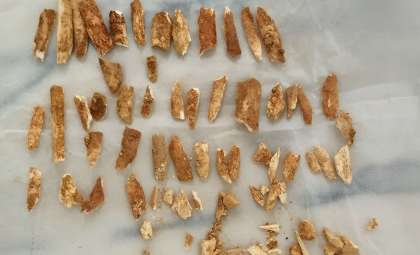
The team uncovered a total of 16 ochre fragments from archaeological locations named Zaskalnaya V and VI, sites linked to the Micoquian culture widely associated with Neanderthals. This cultural style, characterized by distinctive stone tools, dates from about 130,000 to 33,000 years ago.
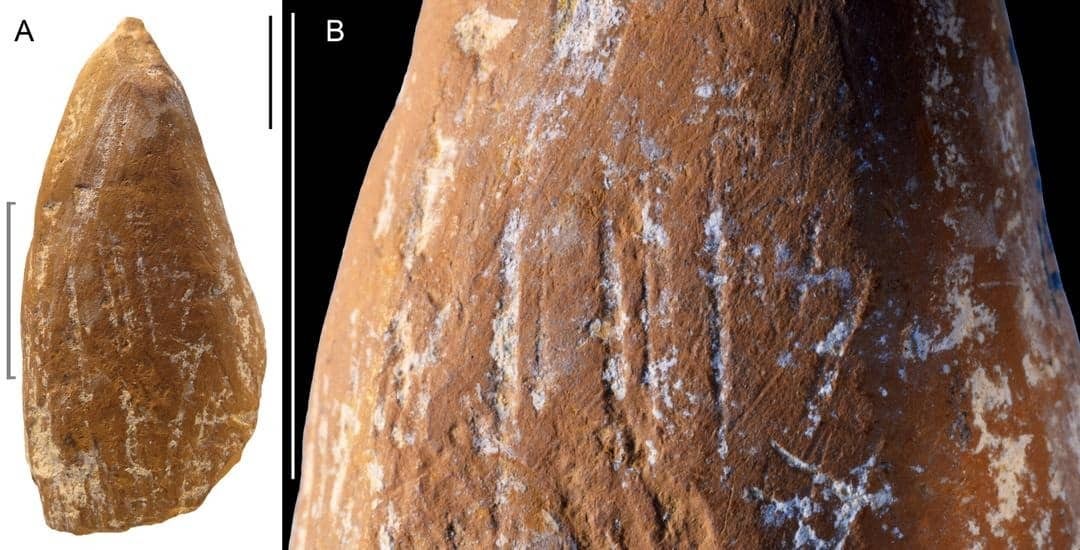
What makes these samples remarkable, according to the researchers, is the clear evidence of deliberate modification. Employing techniques like scanning electron microscopy and portable X-ray fluorescence, scientists observed signs of repeated sharpening, grinding of edges, and meticulous reshaping of tips. One yellow ochre sample displayed a fine point that had been skillfully worked multiple times—typical of a tool designed for marking or drawing.
“These were not just functional tools used for hide processing or utilitarian tasks,” said d’Errico. “The shaping and the patterns of wear indicate they were used for making marks—possibly for symbolic purposes.”
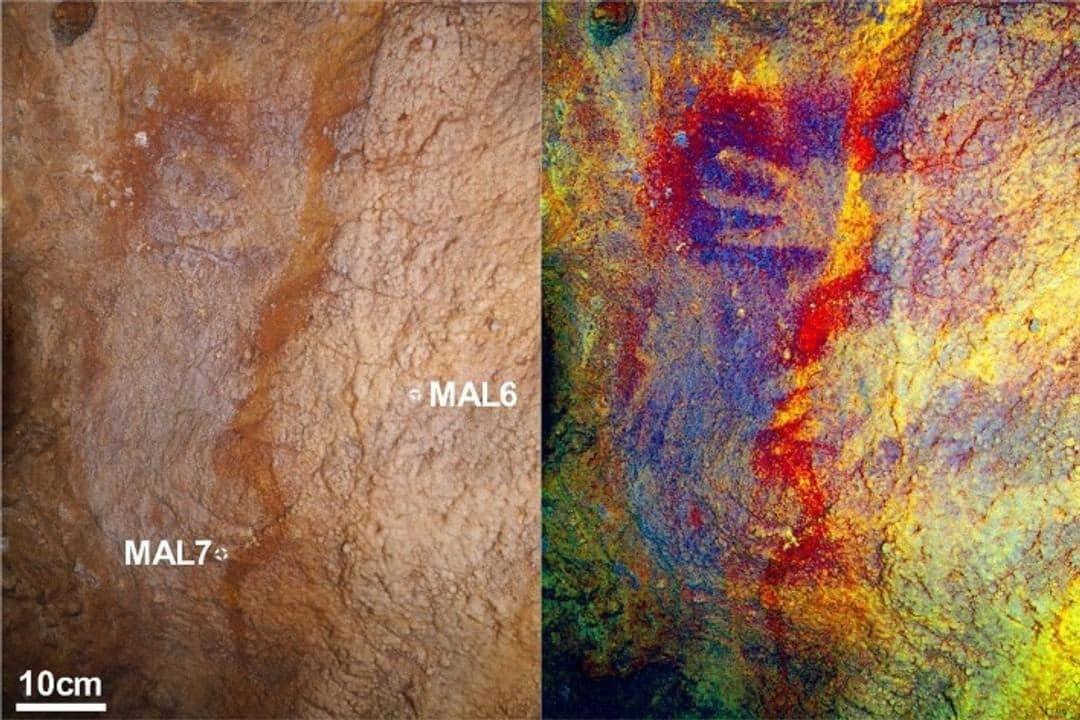
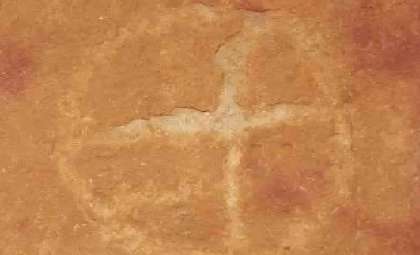
This work builds upon prior discoveries in Spanish caves, where over 60,000-year-old red pigment hand stencils and geometric patterns have been attributed to Neanderthal populations, predating modern humans’ presence in Europe. While these claims have sparked debates, the tangible evidence from Crimea strengthens the case linking Neanderthals to symbolic behavior.
Symbolic Thinking Predates Modern Humans
The research carries profound implications beyond the pigments and implements. If Neanderthals intentionally modified ochre for purposes like body adornment, mural decoration, or ritualistic symbolism, this would suggest they possessed cognitive abilities long regarded as unique to Homo sapiens.
Historically, features such as early figurative art, burial rituals, and decorative objects have been markers of what defines humanity. Evidence of these traits among Neanderthals urges a reevaluation of the origins and evolution of symbolic cognition—prompting questions about whether such mental capacities arose independently within human lineages.
The study also challenges the idea that early modern humans eclipsed Neanderthals due to superior intellect. It hints that both species might have shared comparable mental skills, at least in cultural and symbolic domains.
“We’re seeing growing evidence that Neanderthals were not cognitively inferior,” said d’Errico. “They were using color, creating tools for symbolic tasks, and possibly even engaging in early forms of communication.”
Revising Perspectives in Human Prehistory
This investigation is among multiple studies connecting Neanderthals to symbolic practices. Artifact discoveries have included incised bones, shell jewelry, and feather decorations. Nevertheless, these findings often faced criticism regarding dating precision or the possibility of contamination at excavation sites.
The current research’s rigor stands out due to its methodical approach and archaeological context. The ochre fragments were extracted from well-dated strata and analyzed using advanced high-resolution imaging, revealing clear indications of repeated human intervention, as opposed to accidental damage or natural degradation.
“These are deliberate modifications,” the authors write in the study. “The repeated use, shaping, and abrasion patterns are consistent with tools made and reused for drawing or marking.”
If validated, this evidence would position Neanderthals among the earliest known users of symbolic materials in Eurasia, significantly extending the timeline for such behaviors by tens of thousands of years.
- Categories:
- Science











0 comments
Sign in to Comment