
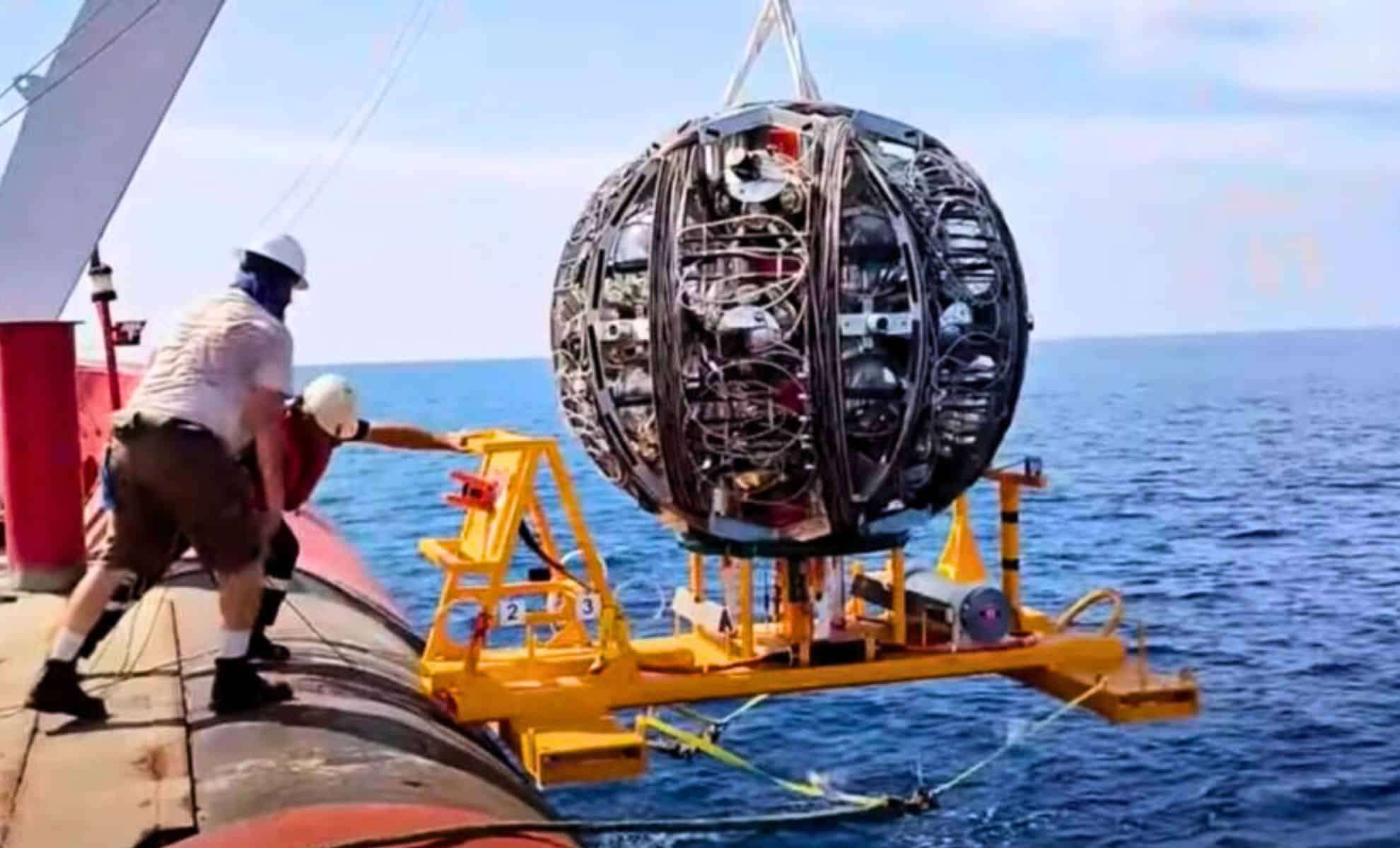
Scientists have made a landmark detection of a neutrino with unprecedented energy levels deep beneath the Mediterranean Sea. This milestone could help unlock the secrets surrounding ultra-high-energy neutrinos, some of the universe’s most elusive particles.
KM3NeT Observatory: Exploring the Deep Ocean for Cosmic Particles
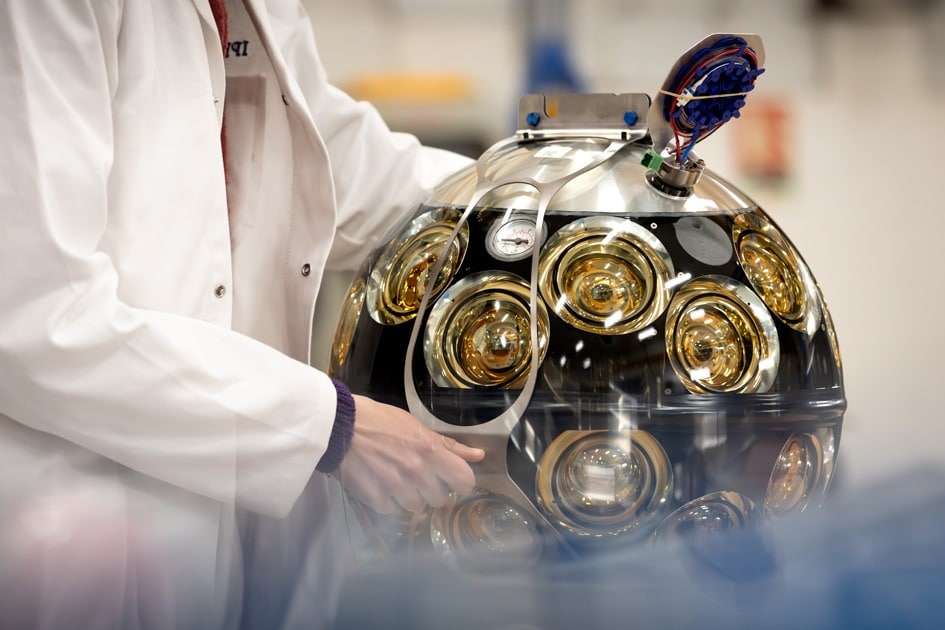
Published in the Nature journal, the breakthrough took place at an impressive depth of 2,450 meters. Situated near Sicily, the KM3NeT telescope rests on the seabed and employs thousands of highly sensitive detectors to capture rare subatomic neutrinos, particles that are extraordinarily challenging to observe.
Neutrinos weigh less than electrons and carry no electric charge, allowing them to pass effortlessly through matter. Trillions cross Earth every second unnoticed, but KM3NeT strives to detect these ghostly particles by monitoring the deep sea environment.

The neutrinos observed by KM3NeT are believed to originate from intense cosmic phenomena such as exploding stars or black holes. These detections provide scientists with a unique probe into distant, energetic events occurring across the universe.
An Unprecedented Neutrino Detection
In February 2023, while KM3NeT was still expanding and operating with only about 10% of its sensor array, the team detected a neutrino with an energy of 120 PeV—a staggering twentyfold increase over previously recorded neutrino energies.
The neutrino’s interaction generated a muon particle traveling through the Earth, confirming its identity as a high-energy neutrino rather than a cosmic ray. Tracking the muon's direction, researchers traced the source to beyond our galaxy, pointing roughly toward Greece. Physicist Elisa Resconi from the IceCube observatory described this detection as “colossal,” highlighting its major importance for neutrino science.
Shedding Light on Cosmic Mysteries
While the exact origins of these extreme-energy neutrinos remain unresolved, they are likely produced by powerful events like black hole activity, supernovae, or gamma-ray bursts. The discovery opens new avenues for probing the universe’s most violent processes.
The KM3NeT team anticipates that as the detector array grows—with 12 additional detection strings added since 2023—they will refine their ability to pinpoint neutrino sources and unlock further cosmic secrets.
- Categories:
- Science








0 comments
Sign in to Comment