
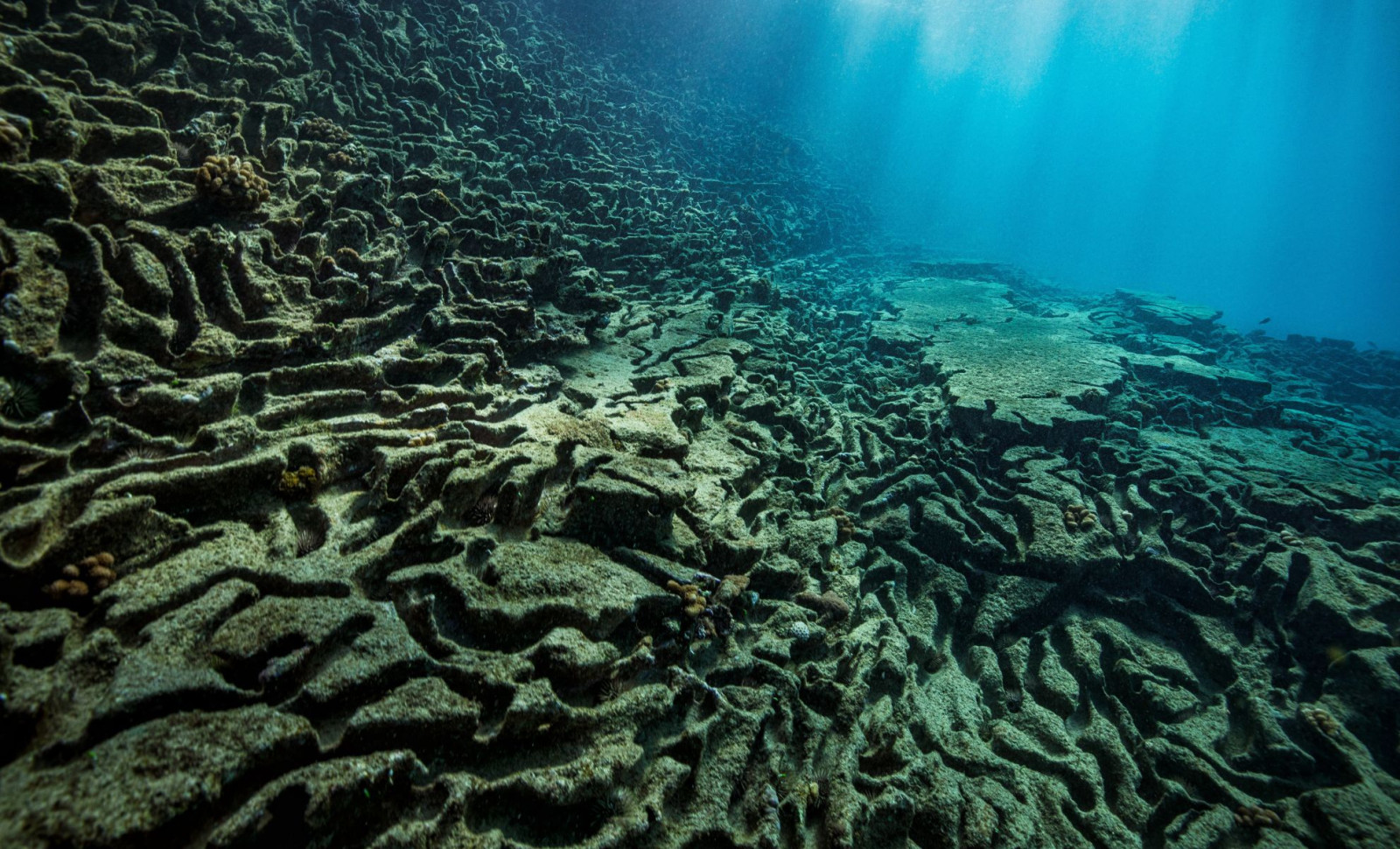
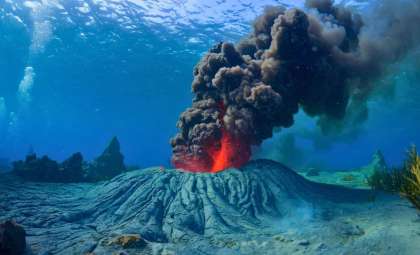
An underwater exploration off Canada's Pacific shoreline has unveiled a volcanically active seamount teeming with an astonishing number of giant skate eggs, potentially reaching up to a million. Contrary to earlier beliefs about this site being dormant, it has emerged as a vibrant ecosystem.
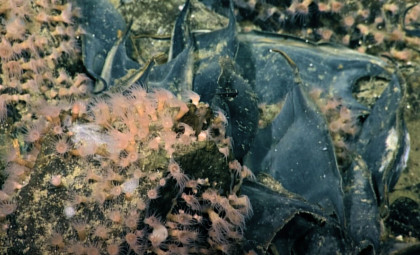
Scientists anticipated a cold, lifeless underwater mountain, but instead discovered a warm habitat nourished by mineral-rich hydrothermal fluids. This warmth fosters a thriving community of marine organisms in an environment previously thought barren.
Surprising Signs of Volcanic Activity
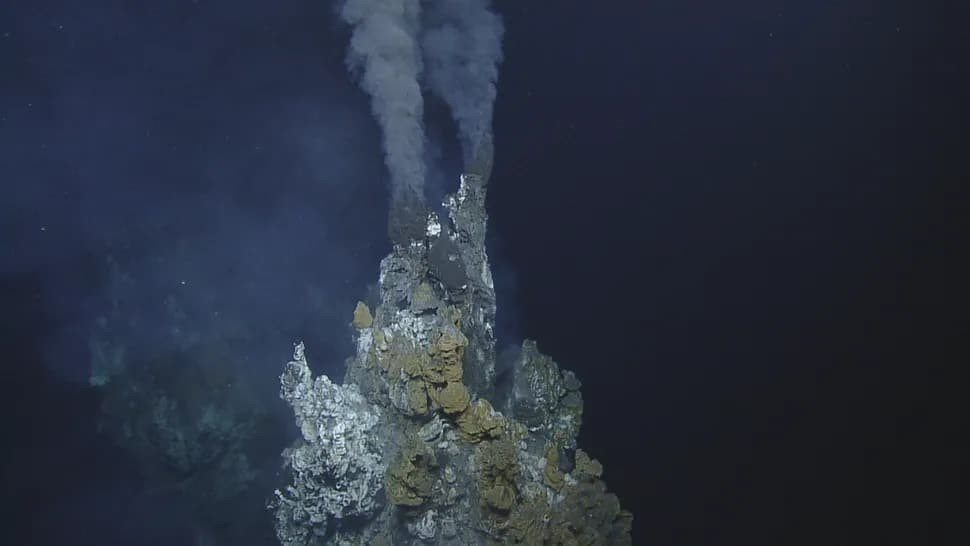
The seamount, which rises approximately 3,600 feet (1,100 meters) above the ocean floor, was once assumed inactive. However, detection of warm venting fluids from its peak revealed ongoing volcanic activity.

A 2018 Scientific Reports study showed these warm emissions support colonies of deep-sea corals and various other marine species. This heat-generated oasis sharply contrasts with the surrounding cold, dark waters, making the underwater volcano a unique ecological niche. Cherisse Du Preez from Fisheries and Oceans Canada described it succinctly:
“It’s a really special place on top of a really special place,” he wrote in an email to Live Science. “The only previous finding of a Pacific white skate nursery was in the Galapágos and I think was on the order of a dozen or two eggs.”
Enormous Aggregations of Skate Eggs Discovered
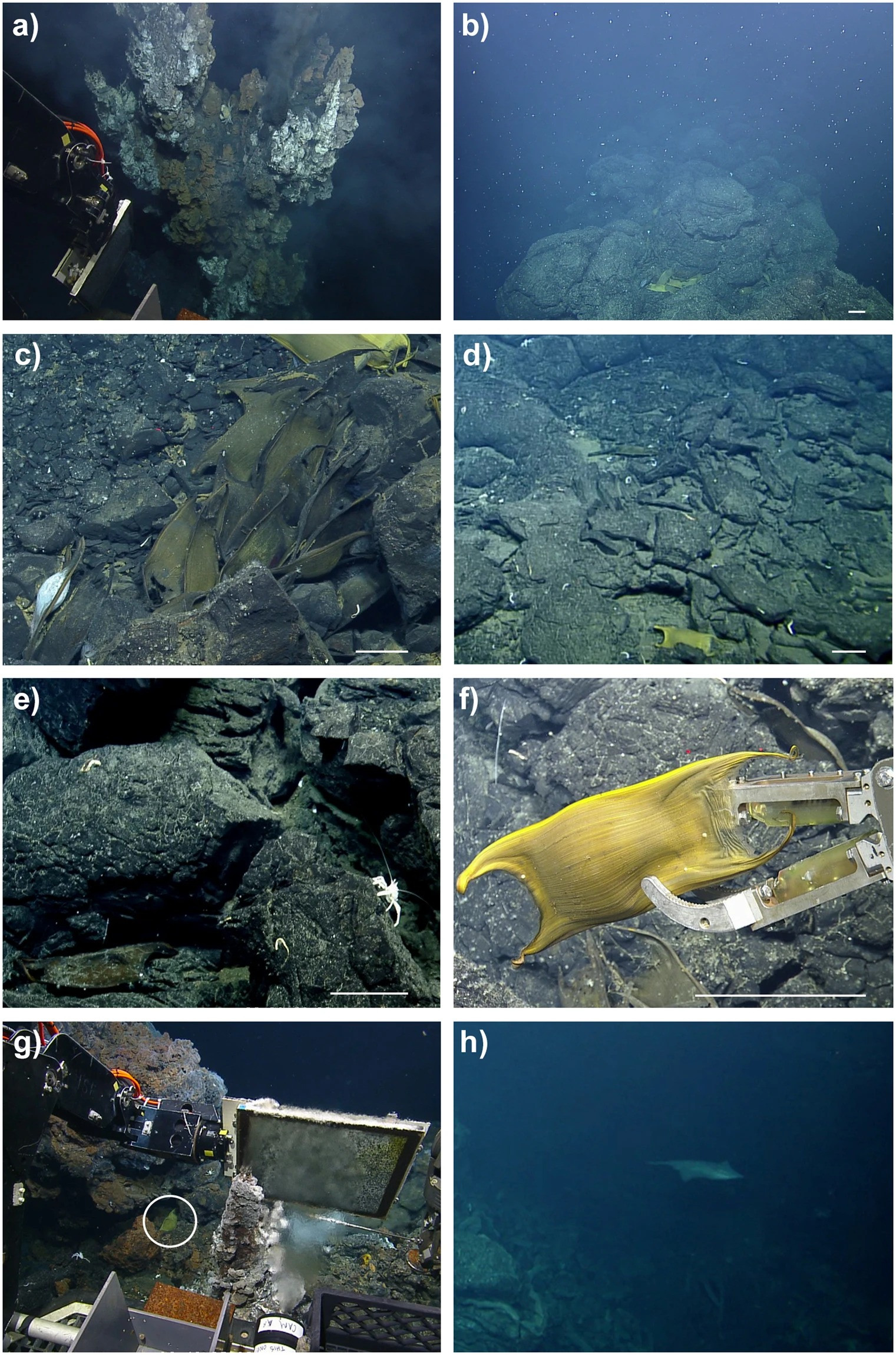
The unexpected highlight was the overwhelming number of eggs present. Estimates suggest the volcano is home to between 100,000 and one million egg cases of the Pacific white skate (Bathyraja spinosissima). Each egg, colloquially known as a “mermaid’s purse,” measures approximately 1.5 feet (0.5 meters) in length.
This figure far exceeds previous counts around the Galápagos Islands, where only a few dozen eggs were recorded. The team also captured the first-ever footage of a Pacific white skate depositing eggs in its natural habitat—a milestone in marine biology observation.
How Volcanic Warmth Boosts Skate Development
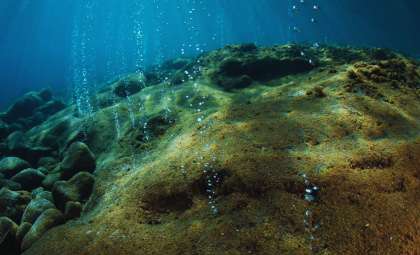
The geothermal heat emitted by the volcano appears to directly influence skate reproduction. While skate embryos typically develop over a span of up to four years in deep ocean conditions, the warmer environment likely accelerates their growth and boosts survival odds. The summit area, lush with corals, serves as a protected nursery for juvenile skates prior to migrating to deeper waters.
“The warm water likely speeds up the gestation period of the eggs, resulting in more successful juveniles,” Du Preez stated. “The shallow summit of the seamount is almost a coral garden and a safe nursery for juveniles to grow before they descend to the deep—it’s a win-win.”
At present, no formal protections safeguard this site, leaving it potentially susceptible to fishing activities. Nonetheless, the researchers continue their investigations as this unique habitat offers crucial new insights into deep ocean ecosystems.
“Further research should focus on identifying and promoting the protection of additional Chondrichthyan deep-sea nurseries, given the continuous expansion of fisheries towards the deep sea and the intrinsic vulnerability of this group of species,” the authors said.
- Categories:
- Science




0 comments
Sign in to Comment