
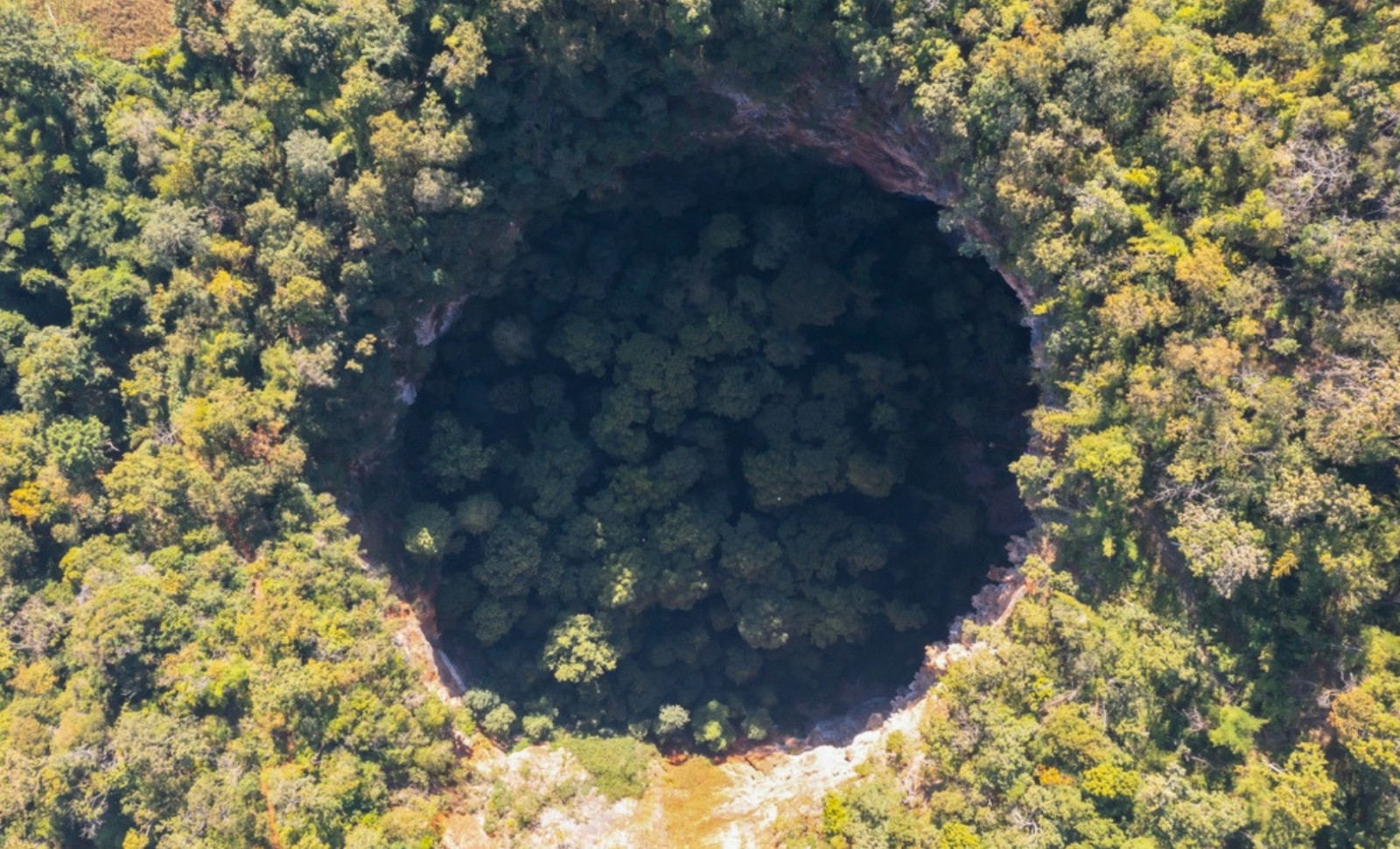
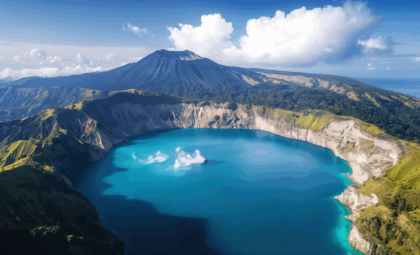
While preparing for a 2024 camping trip, amateur astronomer Joël Lapointe stumbled upon a striking circular depression around Lake Marsal in northeastern Quebec using Google Maps. Measuring about 25 kilometers in diameter, the ring-like feature immediately caught his attention.
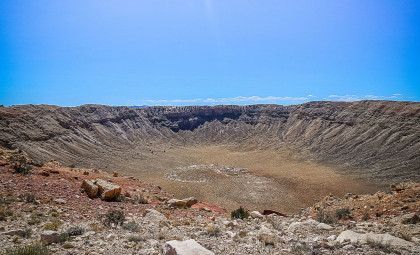
Lapointe alerted planetary geologists to the site, prompting an expedition to this isolated region to analyze its geology. Both field studies and laboratory testing determined that the formation dates back roughly 390 million years and was created by a meteorite impact. The crater is now officially called the Uhakkatik crater following discussions with the Innu Council of Ekuanitshit.
This Quebec crater joins a growing list of natural landmarks first identified or extensively studied through satellite imagery, alongside features like China’s massive limestone bridge and distinctive vegetative circles near Arizona’s Grand Canyon.

Geologists Guided by a Circular Landmark in Northern Quebec
Western University planetary geologist Gordon Osinski, who leads the Impact Earth initiative, often receives submissions of possible impact sites. Though many circular geologic structures result from common processes such as erosion, glaciation, or volcanism, the Lake Marsal ring stood out enough to merit in-person exploration.
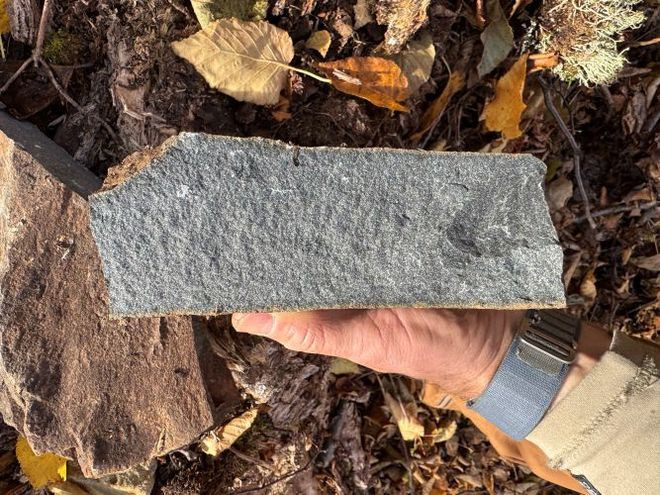
In 2025, Osinski’s team conducted a five-day survey of the remote location. Dense vegetation prevented the float plane from landing by the shore, so the researchers waded through more than 160 feet of water carrying their instruments. They documented cliff exposures and collected rock specimens to be examined in labs in Canada and France.
The crater is situated within the traditional lands of the Innu of Ekuanitshit, and its name reflects the collaboration with the local community council, linking the site culturally and geographically.
Shock Features Reveal the Impact’s Intensity
While Google Maps helped pinpoint the location, confirmation came from rock evidence. Some cliffs contained impact melt rock, which forms as ground material melts under extreme collision temperatures.
On the expedition’s second day, researchers discovered shatter cones, distinctive conical fractures produced by shock waves passing through solid rock. These formations are primarily associated with meteorite impacts or underground nuclear blasts, serving as key indicators of an impact event.
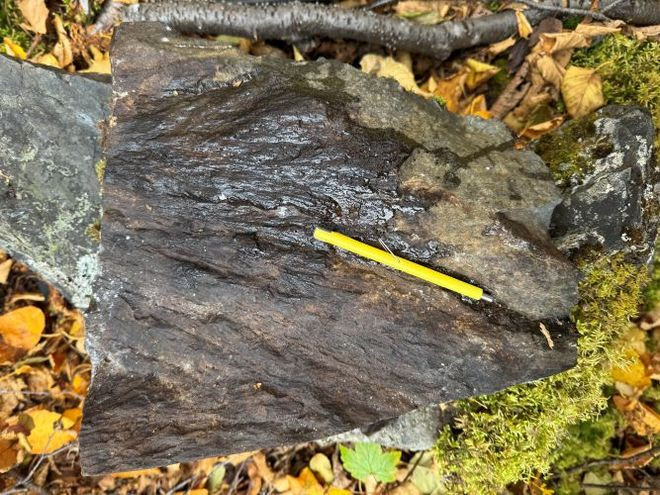
Dating analyses placed the impact during the Devonian Period, around 390 million years ago—long before dinosaurs dominated Earth. This discovery adds to an international record of about 200 known impact craters confirmed through geological findings.
Satellite Technology Unveils Hidden Natural Patterns
Beyond impact craters, satellite imagery has uncovered unusual vegetation arrangements, such as the patterns near Vulcan’s Throne, a volcanic cinder cone along the Grand Canyon’s North Rim. Physicist Amelia Carolina Sparavigna identified large barren circles amidst desert flora, theorizing these form due to the activities of red harvester ants (Pogonomyrmex barbatus).
These ants clear vegetation surrounding their nests. Sparavigna noted that each mound can be about 47 inches wide, with around 108 square feet of vegetation removed nearby. The combined effect of thousands of these cleared zones creates the spotted patterns visible in satellite photos.
Sparavigna explained the phenomenon precisely: “It is quite probable that the observed patterned vegetation can have its origin from the interaction of vegetation and ants.” She emphasized that direct fieldwork was necessary for conclusive verification.
Sources:
- CBC: He saw a pit on Google Maps. It turned out to be a 390-million-year-old meteor crater
- Green Matters: Physicist Finally Solves the Mystery Behind Strange Polka-Dot Patterns Found in the Grand Canyon
- Natural Arches: Fairy Bridge
- Categories:
- Science




0 comments
Sign in to Comment