
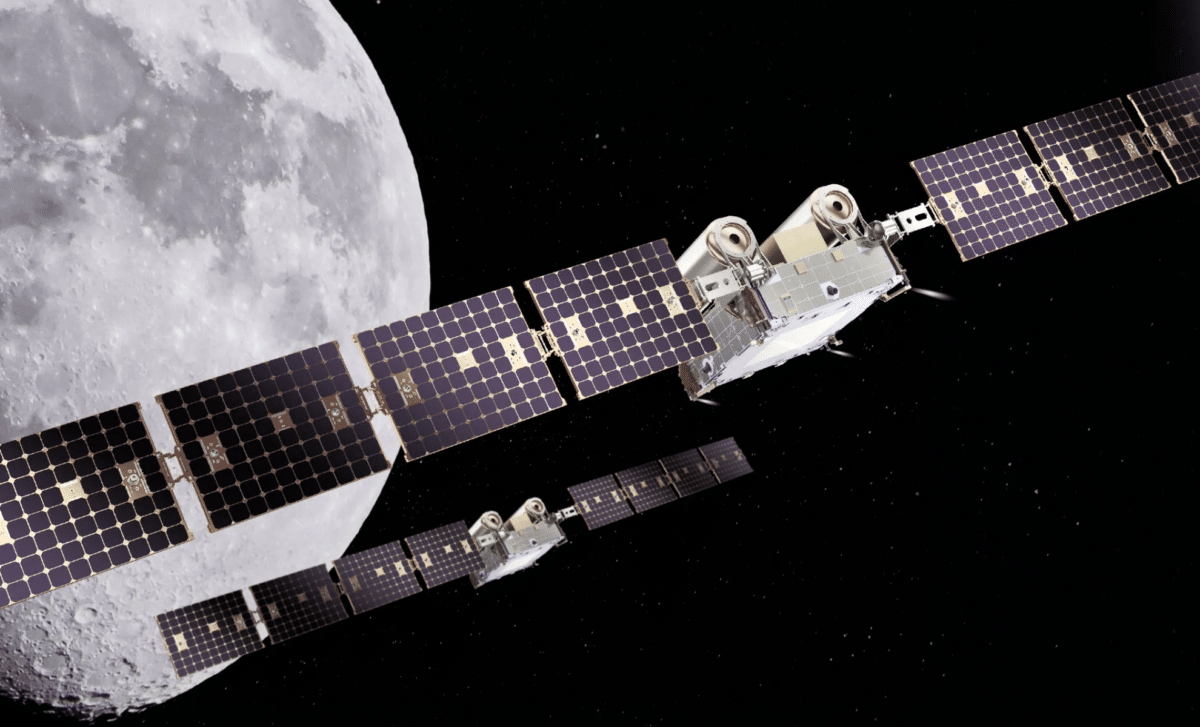
NASA is set to launch a new spacecraft demonstration designed to evaluate cutting-edge operational techniques around the Moon, progressing toward the tools needed for future lunar exploration. This initiative supports the Artemis program and NASA's goal of establishing a lasting human foothold beyond Earth.
The mission, called CAPSTONE 02, will expand upon the achievements of the original CAPSTONE spacecraft, which successfully tested navigation and mission operations in a near-rectilinear halo orbit around the Moon.
Leveraging CAPSTONE Insights for Next-Generation Lunar Missions
The new endeavor builds on the pioneering work of CAPSTONE, a small satellite that validated orbital mechanics and navigation strategies for upcoming lunar ventures. This initial mission delivered valuable data on spacecraft functioning in the Moon's unique orbital environment, where future stations and platforms might be deployed.

With CAPSTONE 02, NASA intends to trial more sophisticated methods derived from earlier findings, aligned with a strategy to mitigate risks by testing critical technologies ahead of deploying them for larger missions.
“Achieving our most ambitious space exploration goals requires iterative, risk-tolerant demonstrations in partnership with industry. Technology development through flight testing is how we convert hard problems into the lasting capabilities needed for a permanent presence at the Moon,” said Christopher Baker, Lead of the In-Space Infrastructure portfolio within the Research and Technology Mission Directorate at NASA Headquarters in Washington, DC.
This approach enables NASA and its commercial collaborators to assess spacecraft performance under authentic lunar conditions. Such demonstrations yield operational data critical for missions connected to the Artemis program, commercial lunar ventures, and planned explorations deeper into space.
CAPSTONE 02 Boosts Lunar Commercial Infrastructure
NASA describes the CAPSTONE 02 mission as a key step toward developing commercial services in lunar orbit. The project will investigate operational techniques that could facilitate a more connected and accessible lunar environment in the future.
Establishing dependable systems far from Earth is crucial for upcoming lunar infrastructure. Navigation networks, communication frameworks, and autonomous spacecraft management will be essential as missions grow more intricate, involving a blend of international and private participants.
“This mission represents an important step in the maturation of cislunar capabilities,” said Sean Fuller, Moon Base CAPSTONE manager. “By expanding on the lessons learned from CAPSTONE to demonstrate increasingly sophisticated operational concepts, CAPSTONE 02 lays the foundation for lunar infrastructure and commercial services that support Artemis, Moon Base, and future missions to deep space.”
This mission underscores NASA's commitment to establishing reusable, scalable solutions rather than single-use exploration efforts. Collaborating with commercial entities helps create versatile systems that lower the barriers for sustaining lunar operations.
Advancing NASA's Vision for a Lasting Human Presence on the Moon
The development of CAPSTONE 02 aligns with NASA's broader ambitions to send humans back to the Moon under the Artemis program and to prepare for more distant solar system missions. Sustained lunar activities depend on robust technologies capable of supporting diverse objectives over time.
The Moon will serve as a proving ground for innovations such as autonomous systems, surface infrastructure, and lunar transport networks. Missions like CAPSTONE 02 offer invaluable opportunities to validate these technologies before integrating them into more extensive exploration frameworks.
NASA’s increasing reliance on industry partnerships reflects a shift toward commercial involvement in space exploration. Private companies are playing a larger role in spacecraft development, formerly dominated by government agencies.
As missions lengthen and expand in complexity, technology demonstrations will continue to be critical. CAPSTONE 02 exemplifies how experimental designs can be refined into practical tools essential for humanity's next chapter of lunar exploration.
- Categories:
- News










0 comments
Sign in to Comment