
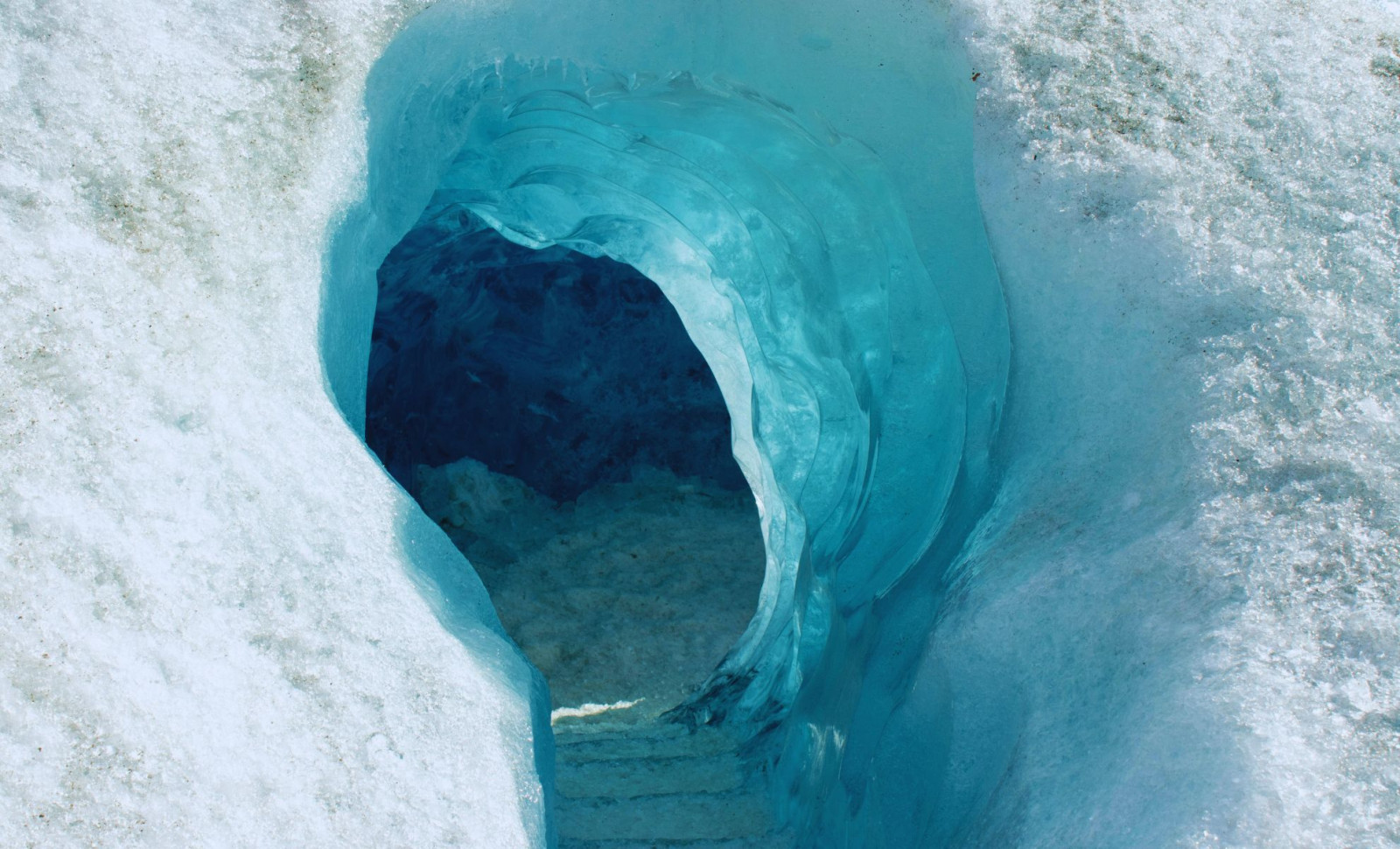
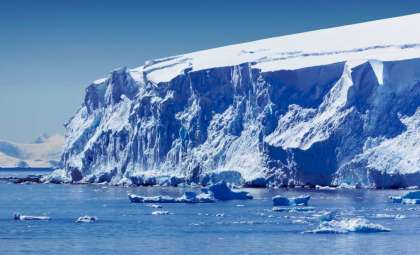
As glaciers worldwide vanish at an unprecedented pace, a dedicated group of researchers is undertaking a remarkable mission: safeguarding ancient ice within a subterranean frozen vault near Earth's southernmost point. It sounds like something out of a novel, but this conservation effort is very much real, taking place in one of the planet’s chilliest locations.
The project, named the Ice Memory Sanctuary, consists of a slim, elongated bunker hidden beneath the snow at Concordia Station in Antarctica. Instead of precious metals or priceless art, this site stores fragments of endangered glaciers from across the globe. Their motive? Many of these ice formations may soon be gone forever.
Preserving a Hidden Climate Archive
Research published in Nature reveals an alarming loss of approximately 273 billion metric tons of ice annually. The implications extend beyond water volume, as melting glaciers erase vital climate archives: ice cores trap ancient air bubbles, evidence of historic volcanic activity, and invaluable temperature data covering thousands of years. With projections suggesting that over half of all glaciers could disappear by the century’s end, scientists are racing to preserve whatever remains of these natural records.

This urgency fueled the inception of the Ice Memory Sanctuary at Antarctica, a vault constructed roughly five meters beneath the snow surface, where temperatures average around -50°C. Though modest in scale—roughly 5 meters wide by 35 meters long—its mission carries significant weight. As stated by the World Meteorological Organization (WMO), this initiative aims to protect "vital insights from the past" for the scientists of tomorrow.
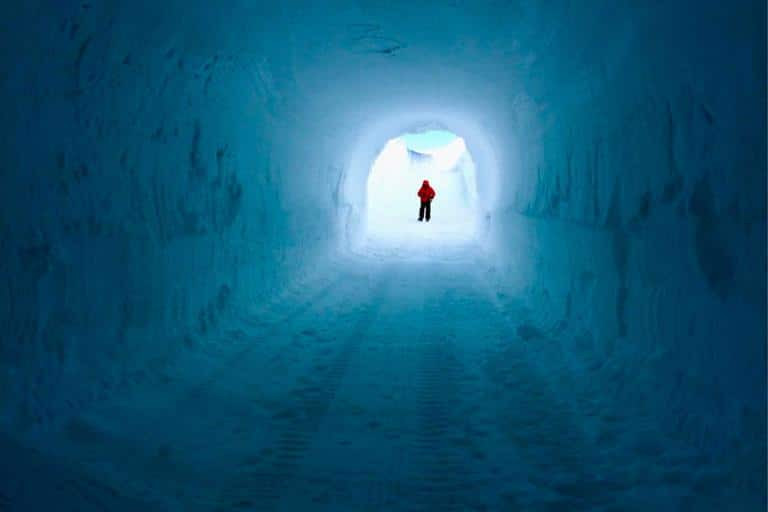
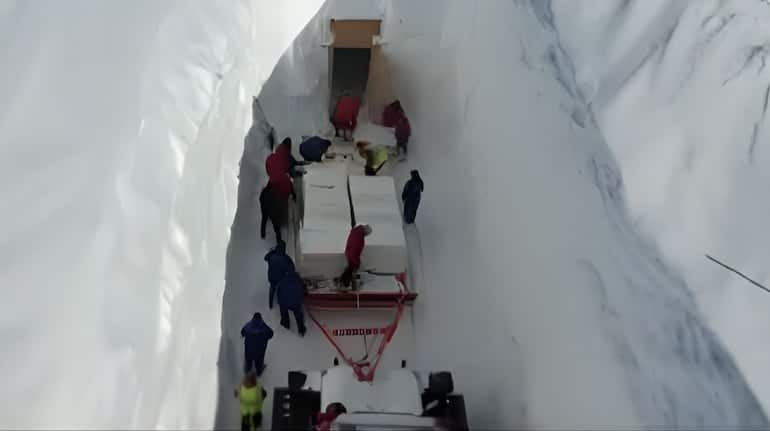
The strategy is clear-cut: extract ice cores from glaciers at risk and store them in a location where freezing conditions can be guaranteed long-term. Antarctica's isolation and the safeguards provided by the Antarctic Treaty System make it one of the few places suitable for such preservation. The vault’s initial inventory includes samples from the European Alps, with plans to expand further.
Ice Cores: Time Capsules of Earth’s Climate
Many mistakenly view glaciers simply as massive blocks of frozen water, but their deeper layers hold much more. Drilling into glaciers is essentially peeling back layers of history. Ice cores capture greenhouse gas concentrations dating as far back as the Roman era, and even residues from 20th-century nuclear detonations.
This climate data exists nowhere else. Digital records only span recent decades while satellite monitoring is modern. Certain glacial cores, however, store climate data reaching 120,000 years into the past. Once lost to melting, this invaluable archive is gone permanently.
In addition to the Alps, the initiative targets glaciers in the Caucasus, Svalbard, Andes, and Pamir Mountains. The Pamirs, mainly in Tajikistan, feature particularly unique glaciers. Some even grew until recent years. Two ice cores from the Kon-Chukurbashi ice cap were collected; one now rests at Hokkaido University in Japan.
Protecting Climate Data Amidst Melting Glaciers
The stark reality is that even if global emissions reach net zero by 2050—a target increasingly difficult to achieve—not all glaciers will survive. Damage sustained is often irreversible. The WMO reports that about 9,000 billion metric tons of glacial ice have disappeared over the last 50 years—equivalent to a 25-meter thick ice cover stretching across Germany. These figures underline the project’s importance.
“By preserving glacier ice, we extend climate records far beyond the period of instrumental observations,” said Celeste Saulo, Secretary-General of the WMO.
This vision, thinking far beyond present times, embodies the very essence of Ice Memory.
- Categories:
- Science



0 comments
Sign in to Comment