
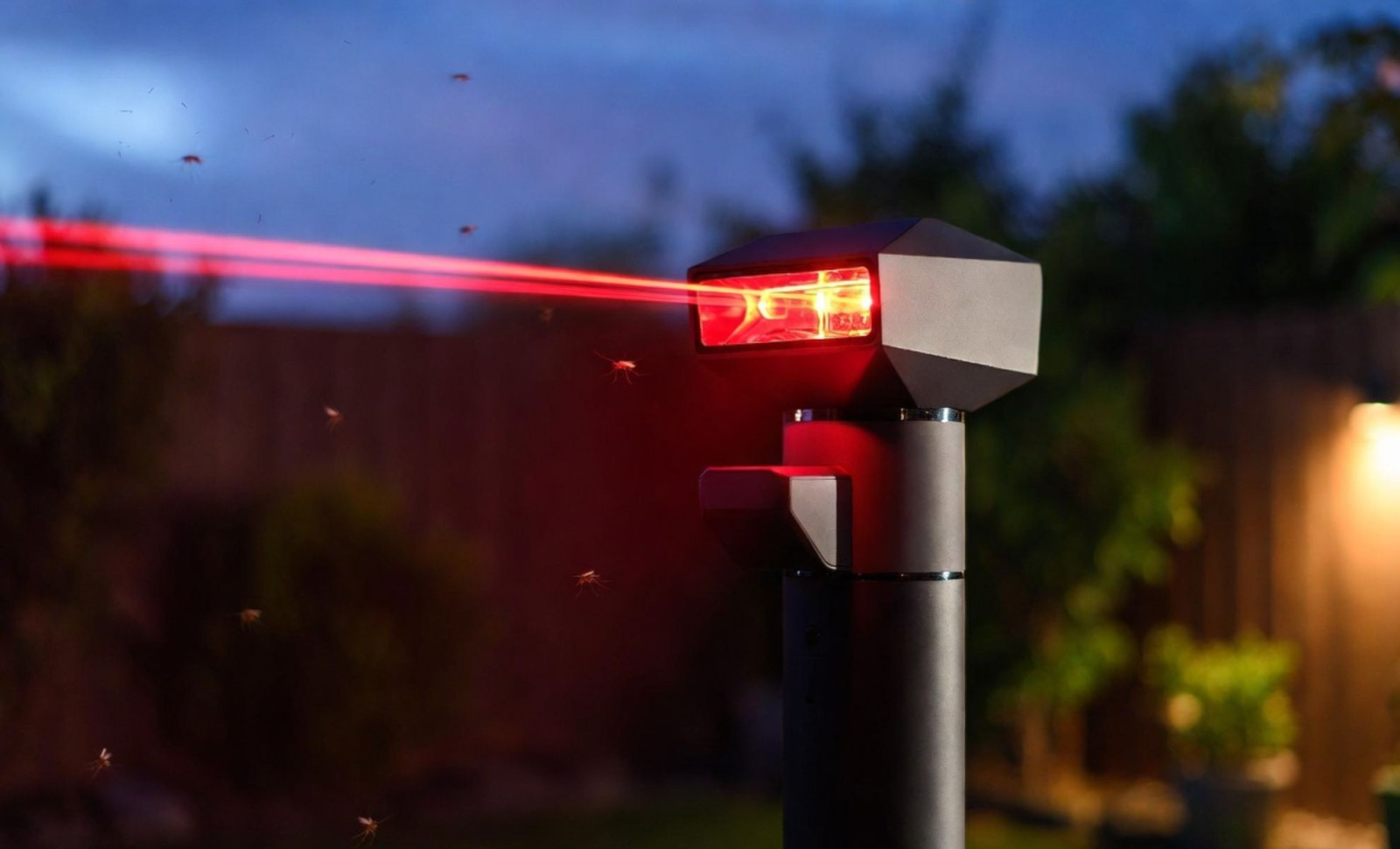
A cutting-edge portable laser system capable of zapping up to 30 mosquitoes every second has gained significant international attention, drawing support from over 4,000 contributors across 50+ nations and securing US$2.7 million on Indiegogo, far surpassing its original US$20,000 goal. Named Photon Matrix, this innovative device is created by Photon Matrix Lab, a startup located in Changzhou, eastern China’s Jiangsu province. It functions as a mobile mosquito defense unit, merging industrial-grade laser technology into a consumer-ready product that identifies and eliminates mosquitoes in flight.
The technology merges methods typically utilized in advanced industrial and scientific environments. As reported by the South China Morning Post, backers invested approximately US$630 each to secure a device upon mass production. The campaign’s worldwide reach is attributed to China’s robust manufacturing sector, which Lawrence Leng, the company’s sales director, credits for making the project financially feasible.
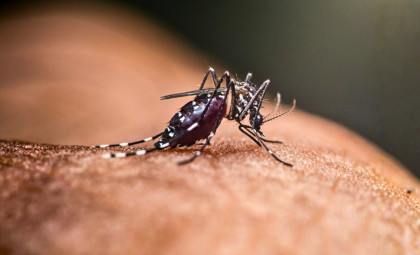
The device’s appeal comes from addressing a pressing global health issue. Mosquitoes spread illnesses such as malaria, dengue fever, chikungunya, and encephalitis, causing millions of infections and over 100,000 deaths annually, according to the World Health Organization. This chemical-free, plug-and-play apparatus that specifically targets mosquitoes clearly fills a market demand, explaining its widespread crowdfunding success.

Understanding the Mosquito Detection and Neutralization Process
Photon Matrix operates using a dual-step system. Initially, a LiDAR (light detection and ranging) scanner surveys the environment, calculating object positions and distances. Per information from Interesting Engineering’s coverage of the Indiegogo campaign, the laser identifies a mosquito and assesses its size and flight angle within an astonishingly brief three milliseconds, after which a secondary laser precisely fires to eliminate the insect.
Safety mechanisms are integral, as the device is engineered to prevent accidental targeting of humans or pets. It continuously monitors for larger objects and halts firing if the laser’s path intersects or nears any living being. This protective protocol is embedded within the targeting algorithms, ensuring laser activation only when the route to the mosquito is unobstructed.
The system tracks insects flying as fast as 3.3 feet (one meter) per second, a speed that matches typical mosquito flight but excludes faster insects like house flies. Its entry-level model covers an effective radius of 9.84 feet (3 meters) with a 90-degree detection range, while the professional variant extends this to 19.6 feet (6 meters). Both variants are waterproof and compatible with portable power banks, making them viable for outdoor use in yards or gardens.
Photon Matrix’s basic model was initially offered for US$468 during early bird sales on Indiegogo, with the advanced model priced at US$668. Requiring no specialized installation, the device is promoted as suitable for indoor or outdoor use without needing chemical agents or consumables aside from power.
Local Manufacturing Backbone Fuels Innovation
The sales director, Lawrence Leng, emphasized that Changzhou’s industrial environment was crucial for the device’s development. “In Silicon Valley, finding a supplier who can create a high-precision fiber laser module within two weeks is nearly impossible,” he noted. “But in Changzhou, these components are just a floor away.” This localized access to precise parts allowed swift iterations on the intricate product integrating advanced technologies into a compact form.
The device harnesses affordable LiDAR sensors, edge computing units, and AI-powered vision, technologies often reserved for industrial or defense sectors. China’s mature supply chain infrastructure enables smaller innovators to adapt such equipment for consumer markets at an accessible cost. Leng asserts that the cluster of nearby suppliers is as instrumental to the product’s success as the technical innovation itself.
The geographical proximity of manufacturers also accelerates timelines. Quick access to suppliers speeds up prototyping, sensor fine-tuning, and iterative testing. For a sophisticated device like Photon Matrix, requiring precise synchronization between detection, targeting, and safety features, this swift development cycle is a key advantage.
On a broader scale, China boasts a thriving ecosystem of electronics startups capable of converting industrial-grade technology into user-friendly consumer products. Photon Matrix Lab exemplifies this trend, leveraging supply chain synergies to tackle a longstanding pest control challenge that has seen limited innovation for years.
Crowdfunding Momentum Meets Manufacturing Hurdles
Although Photon Matrix Lab successfully raised US$2.7 million and gained international visibility, it faces delays common to hardware crowdfunding projects. Initial promises targeted early summer releases, but mass production is now postponed until August. The product is still in development stages, with no independent tests confirming its performance.
Hardware ventures often reveal a gap between prototype showcases and mass manufacturing realities. Calibrating sensors, ensuring quality across production lots, and managing international shipping for a laser-based device pose unforeseen obstacles. The company pinpointed complex sensor calibration as a significant factor impacting the original schedule.
Regulatory and safety clearances add further complexity. Photon Matrix Lab must secure Western safety certifications, including European CE approval and meets protocols of the U.S. Food and Drug Administration for laser consumer products. These processes extend timelines and may influence the final market rollout.
Consequently, over 4,000 supporters in more than 50 countries await a high-tech mosquito control tool whose real-world effectiveness remains to be independently verified upon delivery. Whether Photon Matrix achieves its promised detection speed, precision targeting, and safe operation at volume will be determined only after products reach consumers.
- Categories:
- News











0 comments
Sign in to Comment