
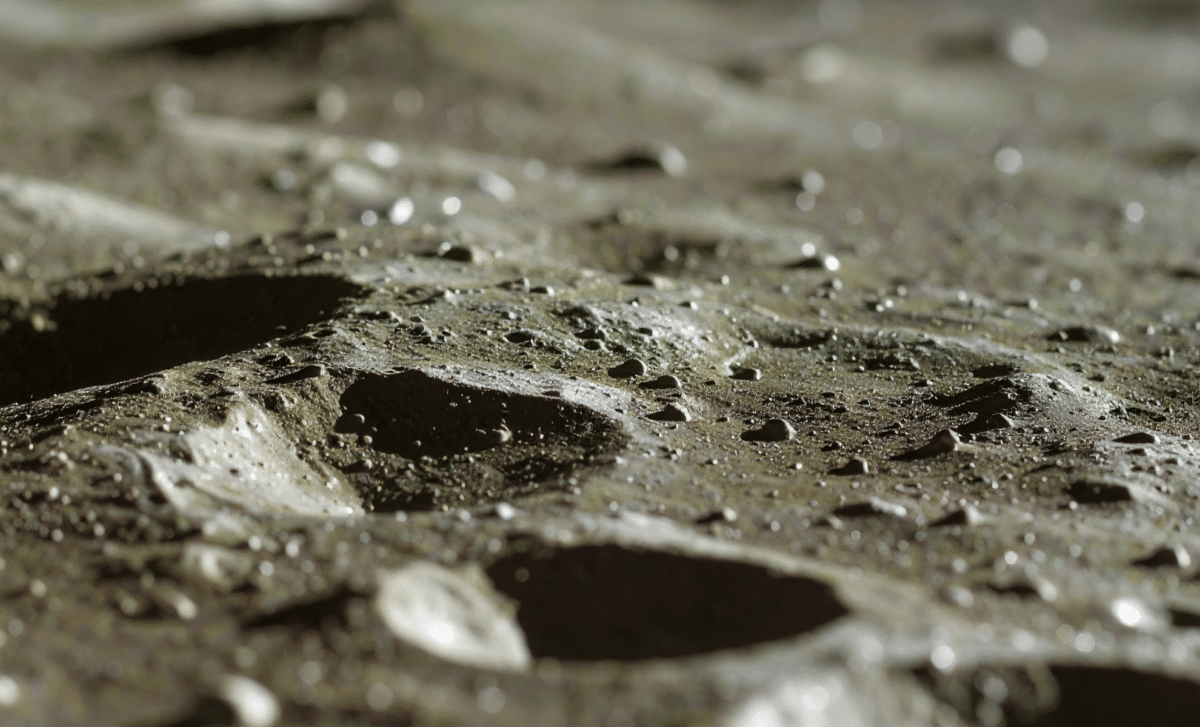
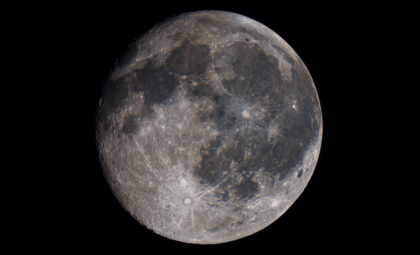
Recently gathered samples from the moon’s far side have unveiled a prolonged timeline of asteroid impacts, indicating a steady decrease in collisions over billions of years instead of a brief, intense bombardment, according to research published in Science Advances.
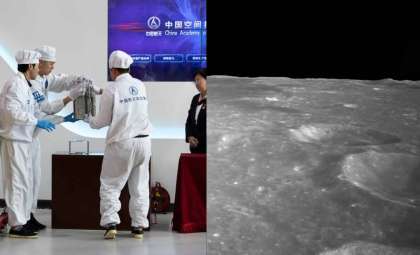
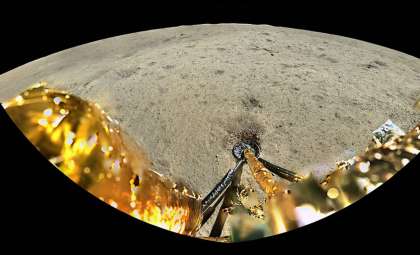
This breakthrough originates from the pioneering Chang’e-6 mission by China, which retrieved the first-ever material from the lunar far side, offering scientists access to previously unexplored geologic evidence. These results provide new insights into the early solar system’s development and the cosmic events that influenced the formation of planetary bodies.
Insights From Chang’e-6 Bring Fresh Lunar Data
Understanding of the moon’s past has largely relied on samples from its Earth-facing side, leaving the far side’s history a topic of speculation due to a lack of direct samples.

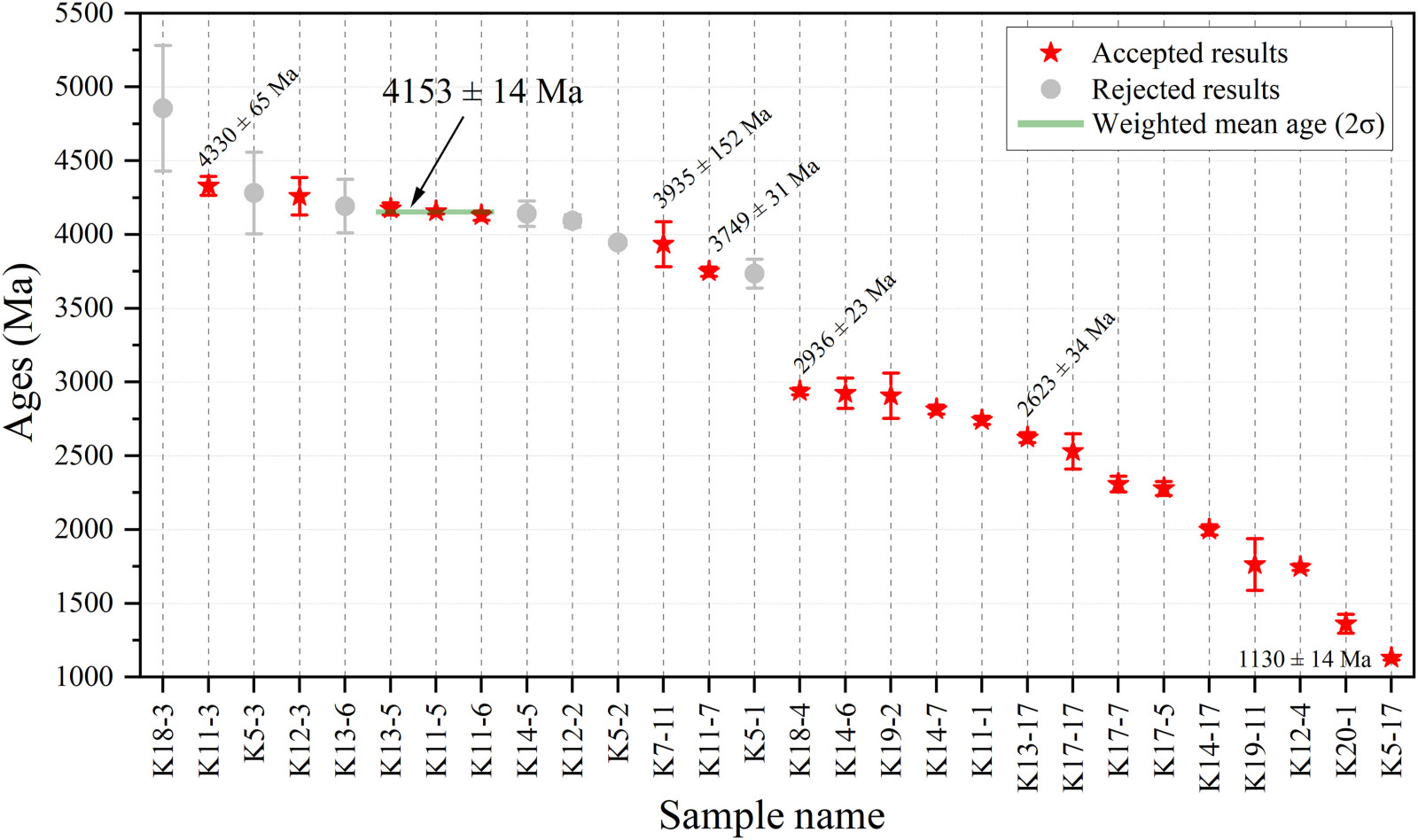
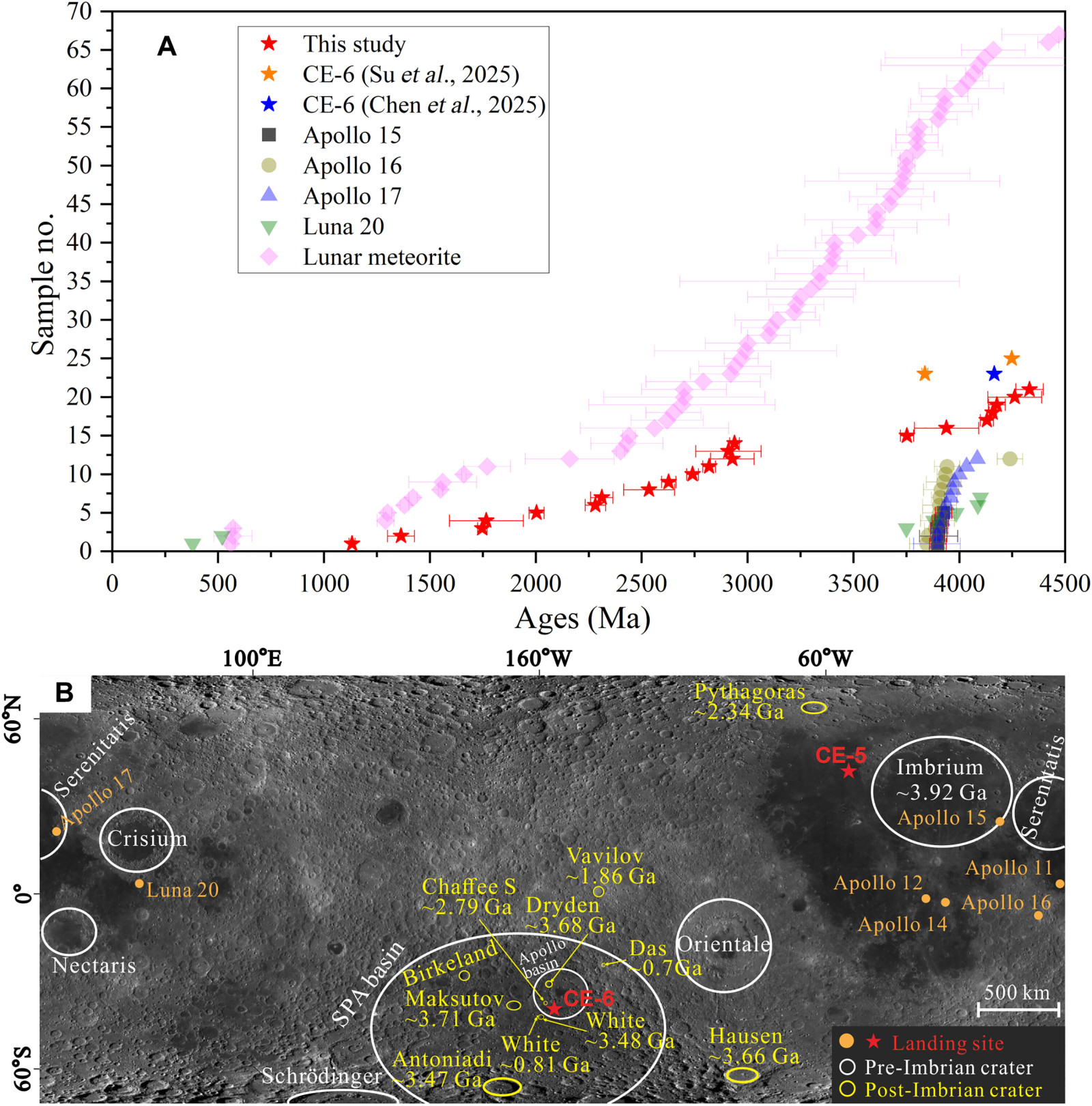
This recent investigation, headed by the State Key Laboratory of Deep Earth Processes and Resources at the Guangzhou Institute of Geochemistry, under the Chinese Academy of Sciences, examined minute fragments of impact melt rocks returned by the Chang’e-6 spacecraft. Employing 40Ar/39Ar dating techniques, the team reconstructed an impact chronology dating from roughly 4.33 billion to 1.13 billion years ago.
The data challenges the older theory of a brief, concentrated asteroid bombardment phase, instead supporting a scenario where impact events tapered off gradually with time.
Dr. Fred Jourdan, a co-author from Curtin University’s Earth and Planetary Sciences School and the John de Laeter Center, described the moon as an invaluable archive of cosmic history.
“The moon is like a time capsule—it has preserved a record of events that have been erased from Earth by erosion, plate tectonics and other geological processes,” Jourdan said.
The uniqueness of these samples allows researchers to explore lunar history previously inaccessible through direct physical evidence.
“Samples collected from the moon’s far side are particularly significant because they allow us to compare two very different parts of the moon for the first time. Until now, almost everything we knew came from the side facing Earth,” Jourdan said.
A Clearer Picture of Our Solar System’s Early Days
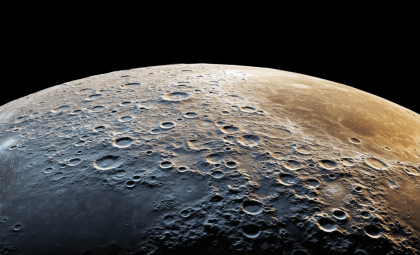
The moon’s surface preserves ancient geological records better than Earth, which undergoes constant transformation due to oceans, weather, volcanism, and shifting tectonic activity. Many lunar impact marks have remained intact for billions of years.
The far side, in particular, offers a pristine record since it has suffered fewer geological disruptions, enabling scientists to more accurately date significant impact events and refine models of early solar system dynamics.
“By analyzing these ancient rocks, we can better understand when major asteroid impacts occurred and how the early solar system evolved. The far side preserves a cleaner record of those earliest impacts because it was much less affected by later geological events than the side facing Earth,” Jourdan said.
These findings dispute the longstanding idea of a sudden, massive asteroid onslaught called the late heavy bombardment. Instead, the evidence points to a slow decrease in impact frequency over an extended period.
“These samples are helping us rewrite parts of the moon’s history and suggest the early solar system experienced a long decline in asteroid impacts rather than a single catastrophic bombardment,” Jourdan said.
This updated timeline provides new perspectives on the processes shaping planets, moons, and other solar system bodies, offering clues about their formative environments.
Moon Impacts Shed Light on Earth’s Early Past
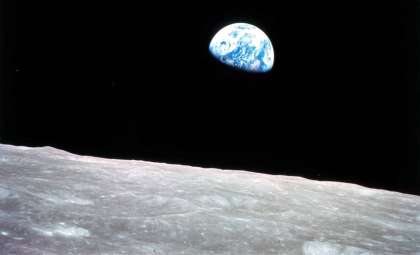
Since Earth and the moon emerged from the same portion of the early solar system, their histories are intertwined. However, Earth’s early impact record has largely been lost due to surface renewal through geological activity.
The freshly studied lunar samples act as indirect witnesses to the conditions the early Earth experienced. Every ancient impact crater recorded on the moon represents a possible glimpse into Earth’s primordial environment.
“The moon and Earth share a common history, but the evidence of early impacts has largely disappeared from our planet,” Jourdan said.
“Because Earth and the moon formed together, every major impact recorded on the moon tells us something about the conditions experienced by the young Earth,” Jourdan said.
By investigating these samples, scientists can explore how asteroid collisions influenced planetary formation and the settings where life eventually arose.
“Studying lunar rocks allows us to look back billions of years and better understand the events that shaped the environments of both worlds and helps us understand the role asteroid impacts played in planetary evolution and the conditions that may have influenced the emergence of life on Earth,” Jourdan said.
This work emphasizes how studying the moon continues to unlock knowledge unattainable on Earth alone. Once only observable via remote sensing, the far side is now providing a fresh window into the formation of our planetary neighborhood.
Launching a New Chapter in Lunar Research
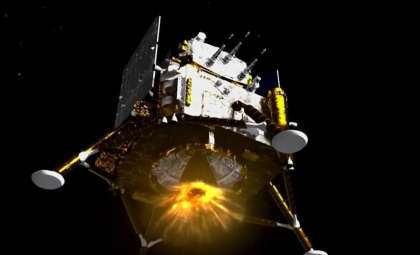
The acquisition of samples by Chang’e-6 signifies a milestone in moon exploration. It’s the inaugural mission to return material from the lunar far side, unlocking new avenues for understanding regions never sampled before.
“The findings come amid a new era of lunar exploration and science, with China’s Chang’e-6 mission being the first to return samples from the moon’s far side,” Jourdan said.
Upcoming missions from diverse space agencies may continue this trend by retrieving material from additional unexplored areas, uncovering further details about the moon’s geological history.
Despite decades of lunar research, this study confirms that the moon still holds secrets capable of reshaping scientific knowledge. Through rocks gathered from remote lunar terrain, researchers are piecing together the solar system’s turbulent beginnings and the conditions that influenced Earth’s earliest environment.
- Categories:
- News



0 comments
Sign in to Comment