
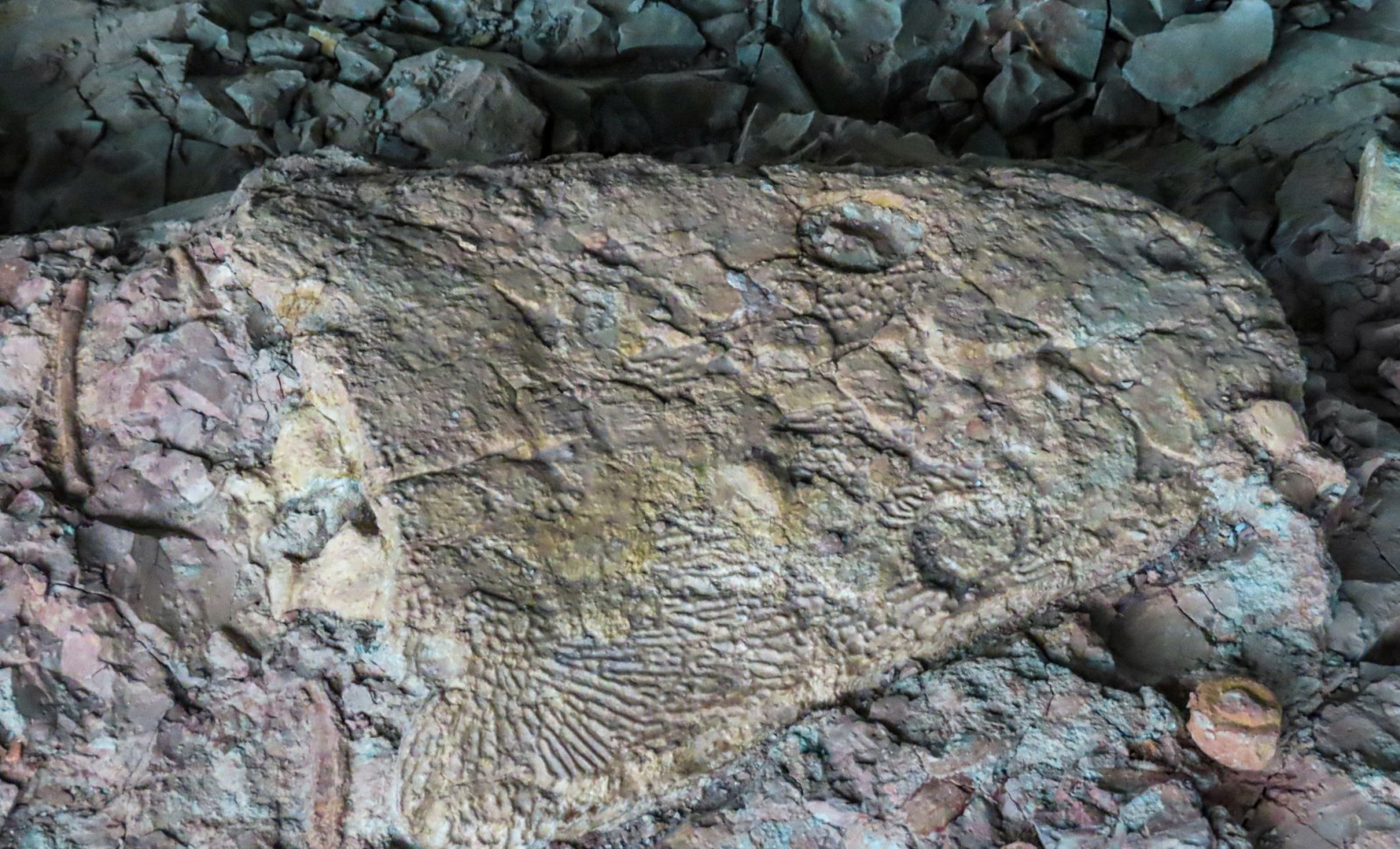
A high school student from California enrolled in a summer paleontology initiative has uncovered a remarkably well-preserved skull of a giant gar fish that lived approximately 52 million years ago. This extraordinary fossil was excavated from Wyoming’s Green River Formation and ranks as one of the most notable fish fossils found in the program’s 16-year span.
The discovery took place during the Stones and Bones program hosted by the University of Chicago. Each summer, participants engage in weeks of paleontological study before exploring one of the continent’s richest fossil sites in search of ancient remains.
The Green River Formation is celebrated for its exceptional fossil preservation from the Early Eocene era. Although students had found impressive fossils like turtles and stingrays in the past, this find stood out due to its immense size and remarkable completeness.

From Standard Rock Splitting to an Extraordinary Find
High schooler Gabe Robinson uncovered the skull while shard by shard splitting rock layers at a Wyoming dig. Teaching assistant Patrick Riordan spotted odd protrusions appearing from the rock, prompting closer attention.
What had seemed like a minor detail soon drew the entire team’s focus. As detailed in a news release from the University of Chicago, Lance Grande, program leader and Negaunee Distinguished Service Curator at the Field Museum in Chicago, was summoned to examine the find. Robinson shared the excitement surrounding the moment.
“Lance came over, and he said, ‘I think there is something very interesting here. Everyone rushed over and crowded around. We kept going back to it, and finally the verdict was ‘’It’s a giant gar skull.’”
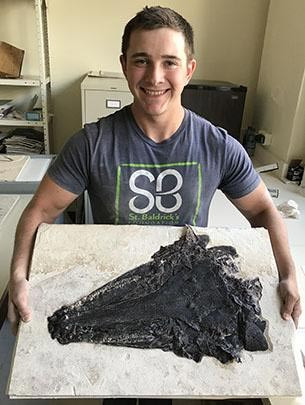
As excavation progressed and more of the specimen was exposed, it became clear the team had discovered an exceptionally intact skull of a large carnivorous fish.
Grande highlighted that the program frequently yields significant finds. The University of Chicago notes some previous discoveries have shed light on ancient ecosystems, while others have introduced new species to science.
“Every year we find many truly remarkable fossils, including species new to science or specimens like this indicating new information about the ancient ecosystem. All of what we find has not seen the light of day for 52 million years,” he said.
The Dominant Predator of Its Lake
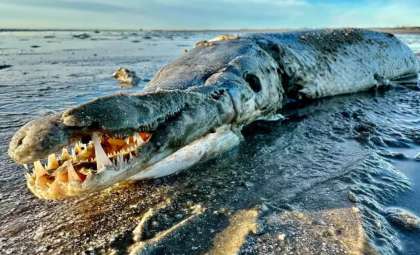
This fossilized gar is part of a fish family known for their elongated snouts and sharp teeth. Its skull resembles that of a crocodile, boasting a long muzzle lined with numerous small teeth and several rows of prominent fangs. Researchers estimate the fish measured at least eight feet long, ranking it among the largest gar fossils from the Green River Formation.
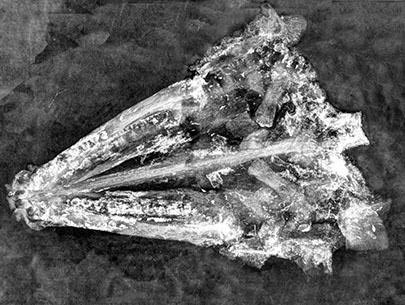
To validate its identity, the fossil was transported to a nearby hospital for X-ray examination. The imagery confirmed the skull belonged to a gar. Grande emphasized the fossil’s remarkable preservation makes it especially significant.
“If fossilization does happen, it’s often kind of fragmentary. The completeness of this skull is amazing.”
Fossils frequently survive only as loose fragments or partial remains. In this instance, the skull remained predominantly whole despite being buried within sediments for millions of years.
A Glimpse into a 52-Million-Year-Old World
The Green River Formation grants researchers a comprehensive window into life 52 million years ago. During the Early Eocene, the area was dominated by a subtropical lake system teeming with fish, reptiles, plant life, and other creatures.
Today, this site exists as a high-altitude desert located about 7,200 feet above sea level, where temperatures swing dramatically between day and night.
Grande underscored the scientific importance of the location, describing it as a frozen moment of an ancient ecosystem.
“It’s a whole Early Eocene community locked in stone.”
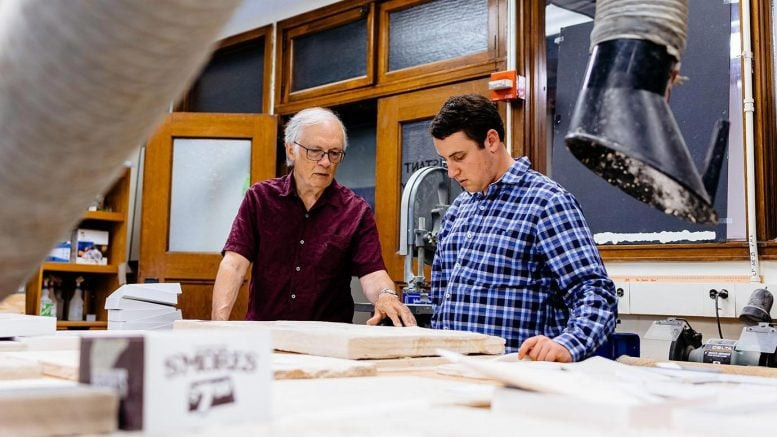
This impressive gar skull will be preserved within the Field Museum’s extensive collection, which houses about 30 million specimens for scientific study. The find offered Robinson an unforgettable hands-on experience far beyond typical classroom learning.
- Categories:
- News







0 comments
Sign in to Comment