

In a peaceful Scottish village, a young child’s ordinary outdoor fun swiftly led to an extraordinary relic from the distant past—a fossil embedded in the soil revealed it was a remnant of a prehistoric tree.
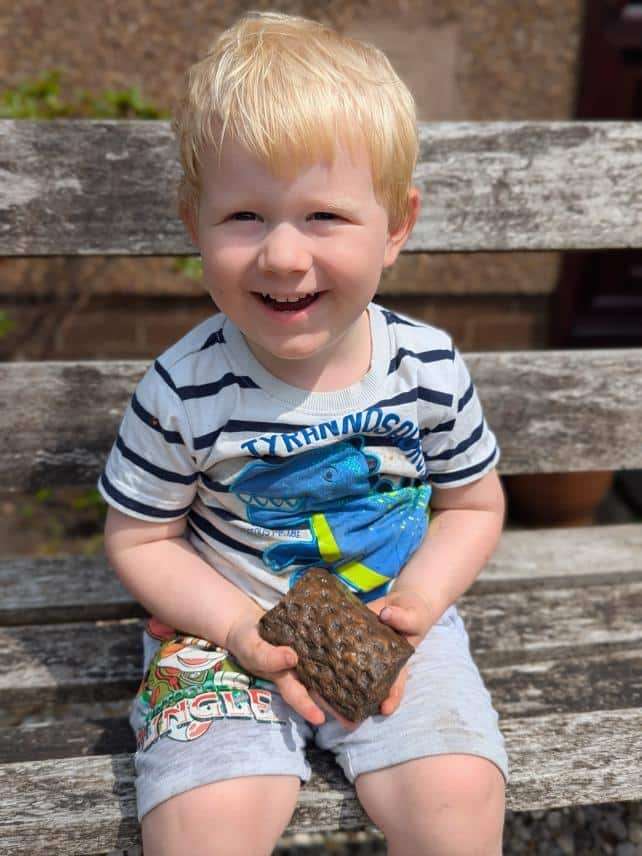
According to a report by Dunfermline Press, two-year-old Fletcher Low uncovered what experts identified as a fossilized root originating from the Carboniferous period, an era when lush tropical forests once dominated the land that today features the serene hills and stone fences of Scotland.
An Unexpected Discovery During Play
While enjoying a sunny day outdoors in Crossford with his younger sibling, Fletcher Low came across a stone that seemed out of the ordinary. Without specialized equipment, just everyday toys and mud, his casual find caught the attention of his father, David Low, a former geography educator with a passion for geology, who admits, "I like good looking rocks."

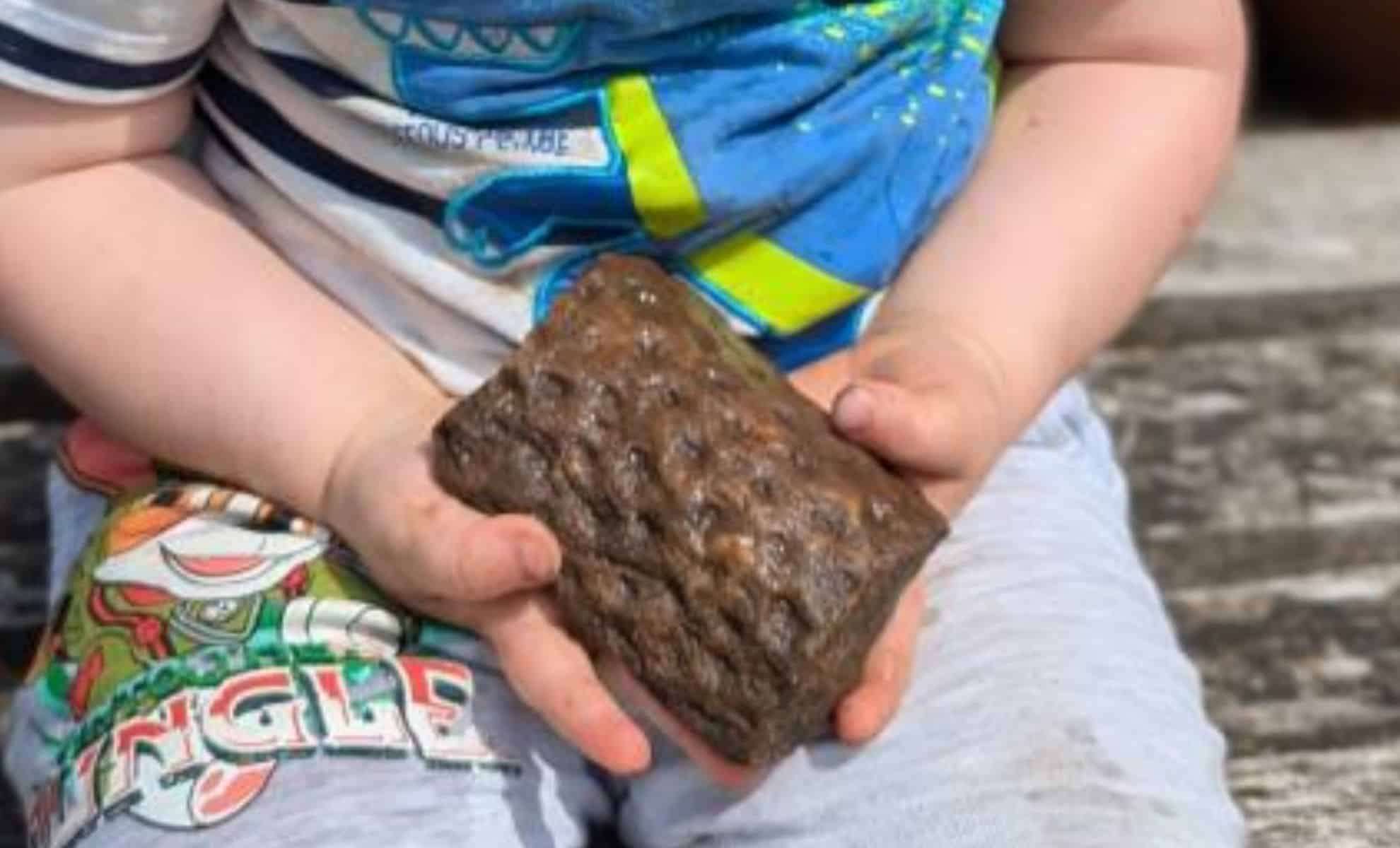
After washing the stone, the family realized it was a fossil known as Stigmaria—the root system of ancient tree-like plants that once thrived in Scotland’s humid, tropical environment.
Scotland’s Tropical Past Revealed
The fossil dates back to the Carboniferous era, approximately 300 million years ago. During this period, Scotland was positioned nearer to the equator and was enveloped by dense forests, ferns, and swampy wetlands. David noted, “This was before the formation of the coal seams in Fife and central Scotland, prior to the age of dinosaurs,” and long before modern mammals emerged.
He further explained that Stigmaria belonged to enormous plants that once extensively covered the landscape. These giant flora eventually contributed to the development of coal deposits still present in Scotland today. Essentially, Fletcher found a fragment from a tree that is a precursor to much of the region’s geological history.
A Rare Backyard Find
While fossil discoveries along the East Fife coast have happened before, uncovering such an artifact within one’s garden is extremely uncommon.
David remarked that it’s been several years since he encountered a similar find—and that was at the beach, not buried beneath his home. The fossil remains remarkably well-preserved and is valued at approximately £200 online. However, the family has no intention of selling it, with David stating firmly that he plans to keep the cherished piece.
Encouraging Curiosity in the Next Generation
David shares a desire to nurture his children's interest in nature, encouraging them to explore their surroundings. Although Fletcher quickly returned to playing in the dirt after the discovery, his father recognized the significance of the moment.
This story is a reminder that remarkable finds can happen quietly—in a garden rather than a laboratory—and that sometimes, a curious eye and a bit of luck reveal ancient wonders hiding just below the surface.
- Categories:
- News

0 comments
Sign in to Comment