
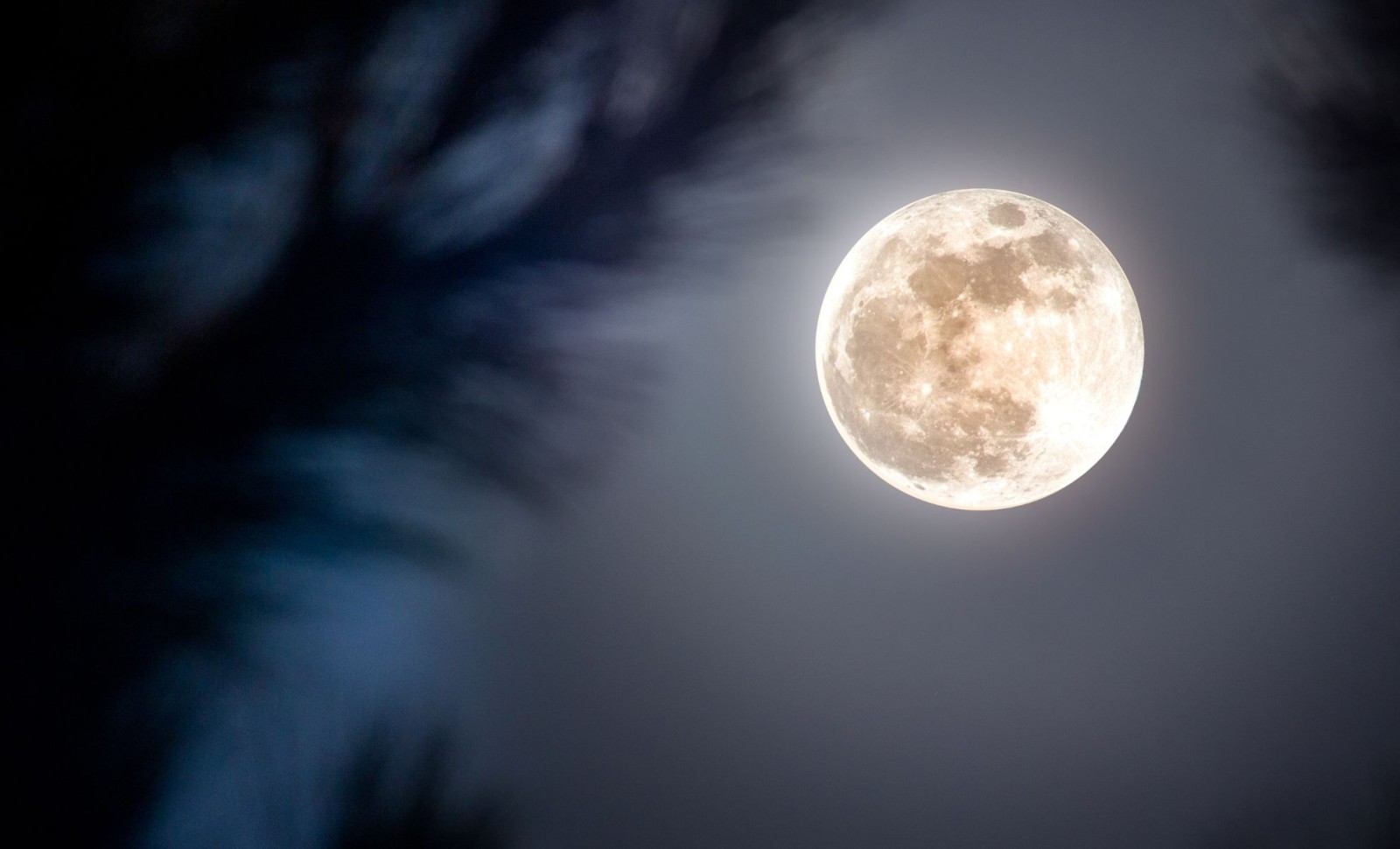
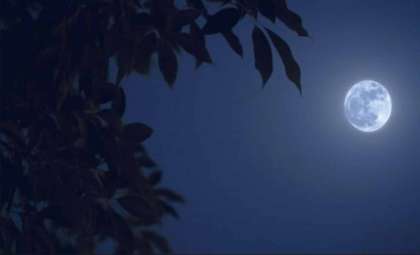
This November, skywatchers will be treated to an extraordinary sight: the brightest and nearest supermoon of 2025, coinciding with the height of the southern Taurids meteor shower. Commonly referred to as the beaver moon, this full moon will shine at its fullest on Wednesday, November 5, just before dawn in the Eastern time zone.
A Stunning Supermoon Meets Meteor Shower This Fall
The November full moon qualifies as a supermoon, occurring when the moon is closest to Earth. On the evening of November 5, it will be merely 221,817 miles away, making it the largest and most luminous full moon for the year.
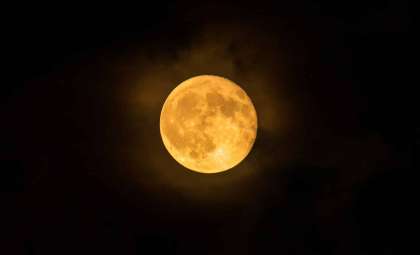
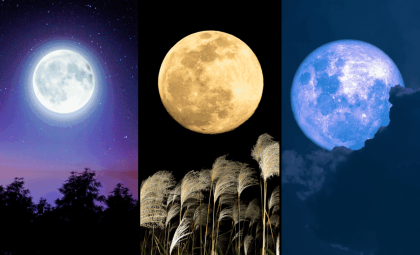
Located in the Taurus constellation, the moon’s low rise on the horizon may cause it to appear larger and cast an orange hue. This event represents the second in a trio of consecutive supermoons throughout 2025, following one in September and preceding another in January 2026. The subsequent cycle of supermoons will not appear until November 2026.

The term beaver moon originates from Native American and early colonial customs, as detailed by NASA. In many North American regions, this moon signals the first frosts, the fading of autumn colors, and the approach of colder weather. As such, it has traditionally been viewed as a herald of the coming winter season.
November’s Meteor Shower Highlights
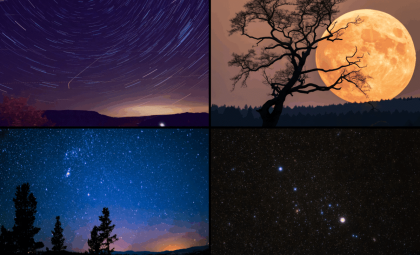
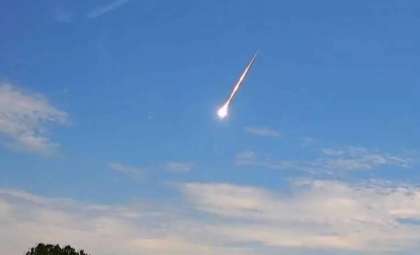
As the beaver full moon rises on the night of November 4–5, it will coincide with the peak activity of the southern Taurids meteor shower, noted for its slow-moving but brilliantly luminous fireballs. A week later, the northern Taurids will reach their peak on November 11–12, offering an extended window for spotting spectacular meteoric displays.
Following these, the Leonid meteor shower will dominate the night skies from November 6 through 30, reaching its maximum on the morning of November 18. Originating from comet Tempel-Tuttle, the Leonids can produce a rate of 10 to 15 meteors per hour under clear, dark conditions. The waning crescent moon phase at the peak will provide excellent visibility for these swift, bright streaks of light.
Key Moon Phases and Astronomical Events This November
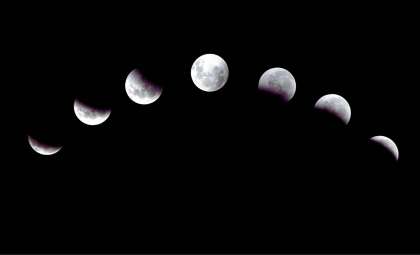
The full moon will peak on November 5, followed by the last quarter moon on November 12. A new moon will occur on November 20, with the first quarter phase happening again on November 28.
Looking forward to December, the full moon—nicknamed the cold moon—will also reach supermoon status on Thursday, December 4. Meanwhile, the winter solstice will take place on Sunday, December 21, marking the year’s shortest day and longest night. Many regions across North America will experience just over nine hours of daylight, signaling the official start of the winter season.
- Categories:
- News




0 comments
Sign in to Comment