
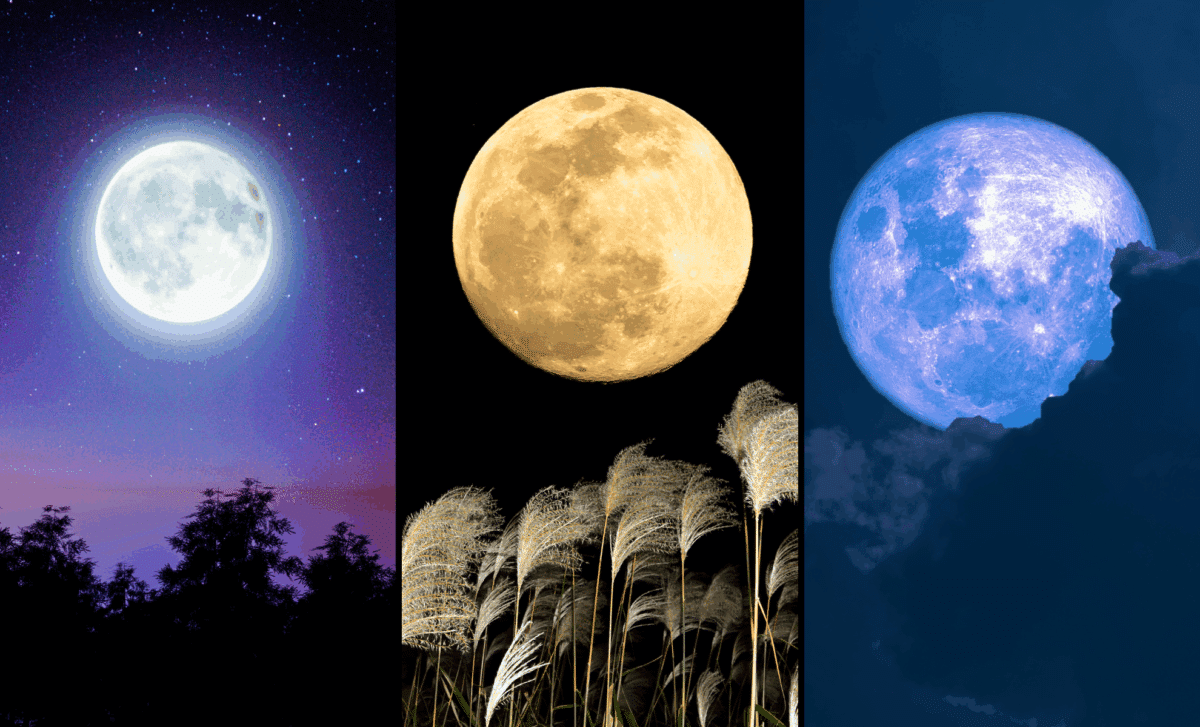
This coming autumn, astronomy enthusiasts will witness an extraordinary lunar spectacle as the moon shines more brilliantly and appears larger than usual. Between October and December 2025, three consecutive supermoons will grace the night sky, an uncommon phenomenon that captivates observers. An insightful piece from National Geographic explores the fascinating science behind these supermoons and offers tips on how to fully appreciate their beauty.
Understanding Supermoons: What Causes Them?
A supermoon is seen when the full moon aligns with the moon's closest orbital point to Earth, called perigee. Unlike a perfect circle, the moon's orbit is elliptical, and at perigee, it lies roughly 356,000 kilometers from Earth. This proximity makes the moon appear noticeably larger and brighter, sometimes up to 14% bigger and 30% more luminous compared to a regular full moon.
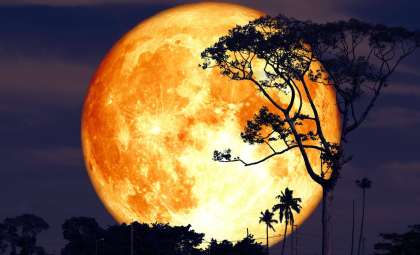
The effect is especially striking at moonrise, when the moon hovers near the horizon. Here, the “moon illusion” tricks our eyes, making the moon seem larger against familiar foregrounds like buildings or trees. While the difference might be subtle in person, photographic comparisons vividly highlight the distinctive brightness and size of supermoons versus ordinary full moons.

Mark Your Calendars for 2025’s Trio of Supermoons
In autumn 2025, sky gazers will enjoy a rare sequence of three back-to-back supermoons occurring on October 6, November 5, and December 4. These are traditionally known as the “harvest moon,” “beaver moon,” and “cold moon,” respectively. Although supermoons pop up a few times yearly, a consecutive trio is an exceptional cosmic alignment that doesn’t happen often.
This exciting alignment arises when perigee and the lunar cycle coincide multiple times in succession. This combination creates consecutive supermoons, a notable but infrequent event. Looking ahead, the next sequence of four successive supermoons will appear in early 2026, beginning on January 3.
The Meaning Behind the Moon Names
Monthly full moons traditionally carry names inspired by seasonal nature patterns or farming cycles in the Northern Hemisphere. The harvest moon, visible in September or early October, historically provided extra illumination during the harvest season, aiding farmers in working late into the evening before electric lighting existed. Its timely rise shortly after sunset allowed for bright consecutive nights.
The beaver moon, appearing in November, marks the period when beavers ready their homes for winter by repairing dams and lodges. It also signaled a key time for trappers, who harvested beavers before water bodies froze over, pivotal for survival in colder climates. Lastly, the cold moon, in December, signifies the onset of long, dark nights and winter’s chill, carrying cultural importance as a symbol of the year’s darkest period.
Tips for Viewing the Triple Supermoon Event
To enjoy these supermoons at their peak, the simplest recommendation is to head outdoors and gaze upward! Each supermoon will rise shortly after sunset and is brightest near the horizon. For the most impressive views, find an open area or a vantage point featuring natural or architectural landmarks. This contrast enhances the apparent size and glow of the moon as it ascends.
Photographers stand to benefit greatly from this phenomenal event by capturing the moon’s golden glow during rise. The most captivating images often emerge during moonrise itself when moonlight is gently diffused, lending a magical quality to your shots.
- Categories:
- News



0 comments
Sign in to Comment