

Scientists have recently discovered remarkable historical artifacts nestled within the nests of bearded vultures in southern Spain. Among these treasures is a sandal estimated to be approximately 750 years old, providing an unexpected link between wildlife and human history.
Under the leadership of Antoni Margalida from the Institute for Game and Wildlife Research (IREC), a dedicated team examined bearded vulture nests extensively from 2008 to 2014. Their investigations revealed layers of preserved natural and human-made items, safeguarded through generations. These nests, reused by successive vultures, serve as accidental time capsules revealing centuries of environmental and cultural data.
Bearded Vultures as Historical Archivists
Bearded vultures are known to reuse their nesting sites for extended periods, spanning decades or even centuries. This behavior creates stratified nests that archive different eras. According to research published in The Scientific Naturalist, these enduring nests offer a unique window into both the local ecosystem and human influences over hundreds of years.

The findings include an array of organic and manufactured materials such as animal remains, hair, textiles, and leather goods that date back several centuries.
“These nests not only tell us about the vultures’ diets and changes in their environment but also reveal human customs in the areas they inhabit,” Margalida explained. “This material is very well-preserved during centuries,” he added.
This discovery underscores the unexpected role that scavenger birds like vultures play in preserving fragments of history.
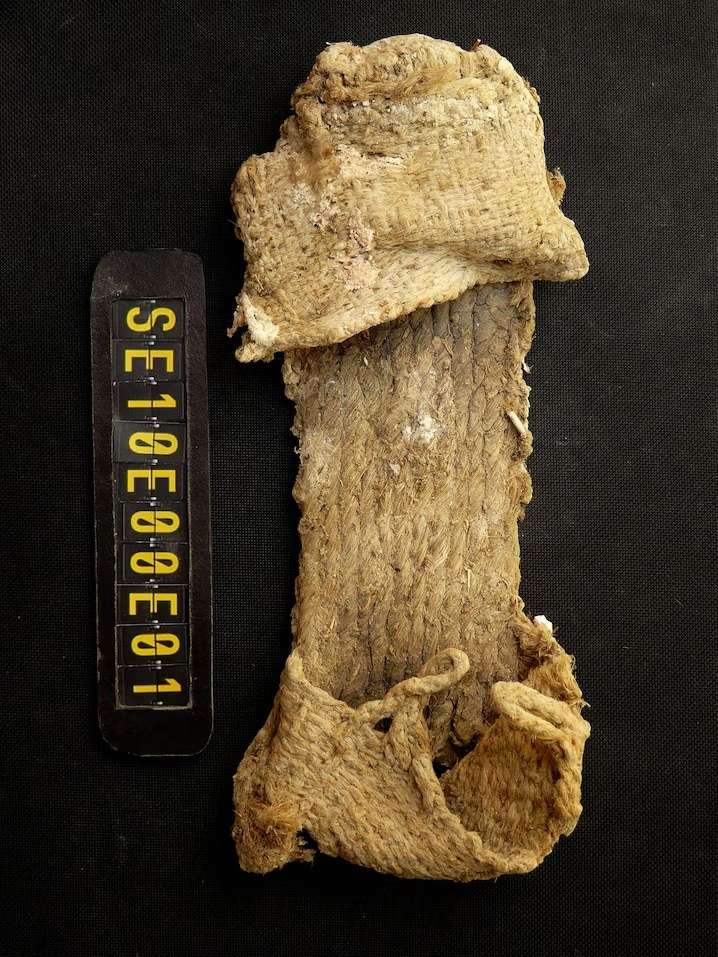
A Remarkable Archaeological Treasure
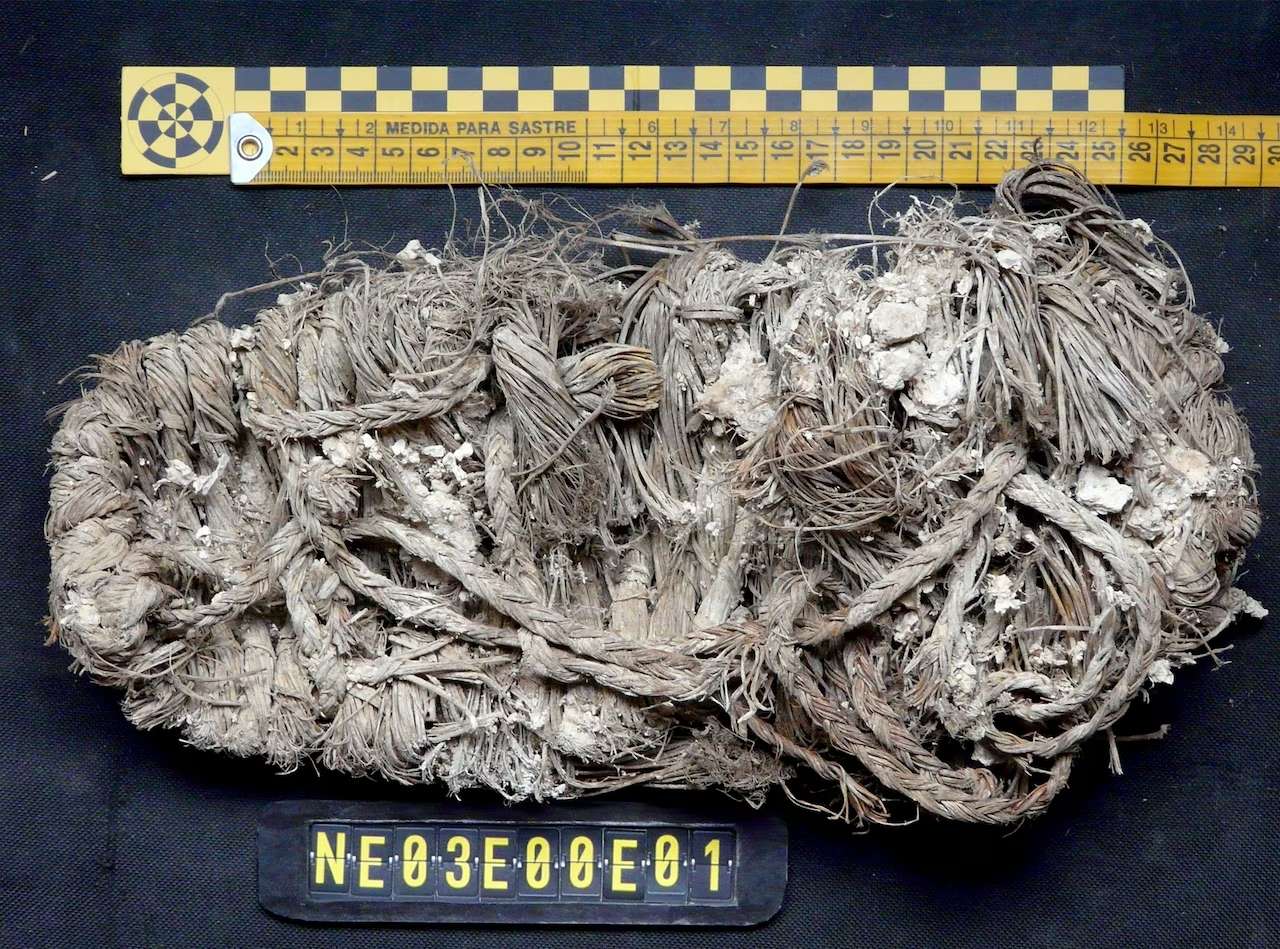
As reported by National Geographic, the most striking artifact uncovered was a whole sandal, dating between 727 and 771 years old. This well-preserved item provides valuable insights into everyday life on the Iberian Peninsula many centuries ago. Researchers speculate that the sandal was discarded nearby and incorporated into the nest by a bearded vulture.
The nests also contained other intriguing historical materials, including pieces of 18th-century basketry. These discoveries shed light on past human craftsmanship and lost objects. Margalida noted that the findings open new perspectives on regional history by revealing how much can be learned from nature’s archives.
Insights for Conservation and Protection
The team’s work extends beyond archaeology, shedding light on conservation efforts. Bearded vultures, considered an endangered species in Europe, depend on specific nesting habitats. Understanding the composition and location of these ancient nests helps identify crucial zones for their protection.
By examining these long-used nests, wildlife experts can better target conservation areas to ensure suitable conditions for the species’ survival. Margalida emphasized:
“Understanding the historical and ecological context of these nests helps us build better strategies for the future of the bearded vulture.” He added, “We have several ideas to analyze in the future. I think that this material will offer a lot of possibilities.”
Ultimately, this research highlights how studying the past is integral to wildlife preservation. By linking ecological history with human activity, conservationists can develop more effective plans to protect vulnerable species and their habitats today.
- Categories:
- News










0 comments
Sign in to Comment