

Every year on the second Sunday of March at 2:00 a.m., most Americans participate in shifting their clocks forward by one hour. While many see this as a minor inconvenience costing an hour of sleep, this twice-yearly adjustment is a unique nationwide experiment closely examined by both policymakers and sleep experts.
However, the states of Arizona and Hawaii do not take part in this synchronized time shift each spring. These states have embraced non-changing standard time, meaning their clocks remain steady throughout the year, effectively bypassing the biannual clock switch altogether. Their residents enjoy a consistent routine without disruptions tied to daylight saving time changes.

The growing movement to abandon the clock-changing tradition has gained momentum well beyond these two states. Legislative bodies across the country are introducing various bills aimed at halting time shifts, though consensus on a unified approach remains elusive.

How Federal Law Regulates Time Adjustments
While debates about time zone changes can seem like personal preferences, federal regulations govern what states can implement. According to the U.S. Department of Transportation, the Uniform Time Act allows states to opt out of observing daylight saving time via state legislation. However, if a state continues to observe daylight saving time, it must adhere to federally mandated start and end dates.
This legal framework results in a clear divide influencing many legislative efforts nationwide. While states can independently adopt permanent standard time, determining year-round daylight saving time requires federal authorization. This challenge fuels a myriad of bills seeking to navigate these legal constraints through diverse strategies.
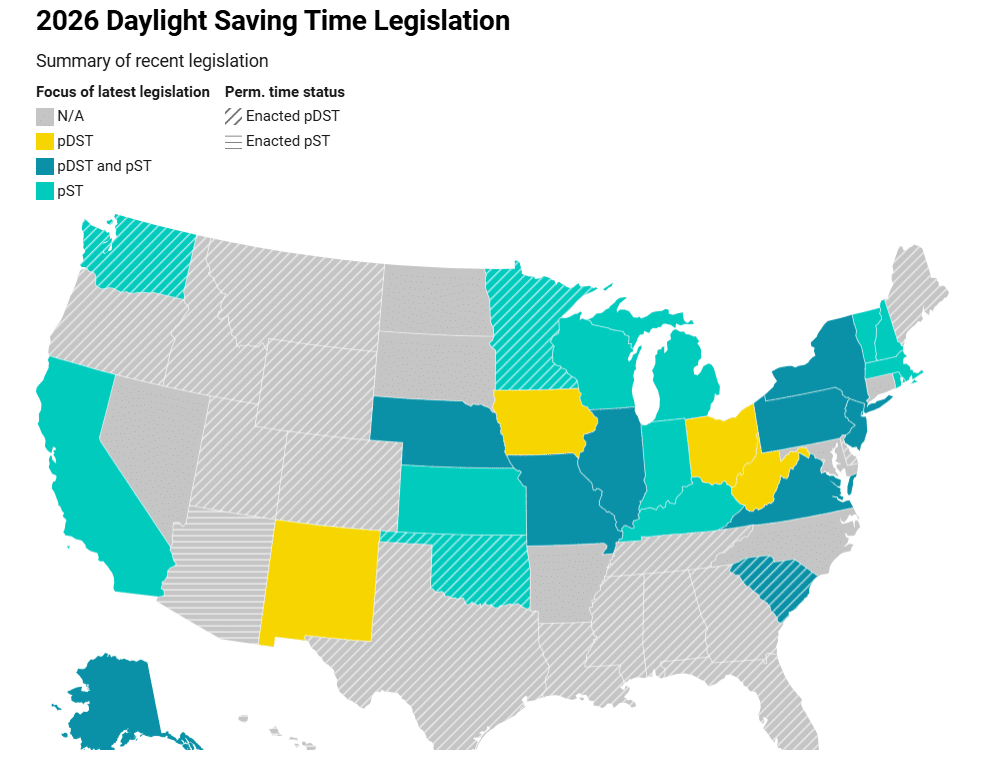
The National Conference of State Legislatures monitors these developments closely, reporting that in 2025, over 35 states have considered nearly 93 different proposals concerning daylight saving policies. These initiatives cut across regions and political lines, signaling widespread interest.
Health Risks Tied to the Spring Time Shift
Though often downplayed as a minor disruption, the hour change in spring is recognized in medical studies as a significant disturbance to human biology. A position paper published in the Journal of Clinical Sleep Medicine outlined how this transition is linked to heightened public health and safety concerns.
Extensive research connects this sudden shift with elevated risks of negative cardiovascular events and mood disorders. Notably, the paper emphasizes how the clock change disrupts the synchronization between external day-night cues and internal biological clocks, perturbing the circadian rhythm, which is crucial for maintaining health.
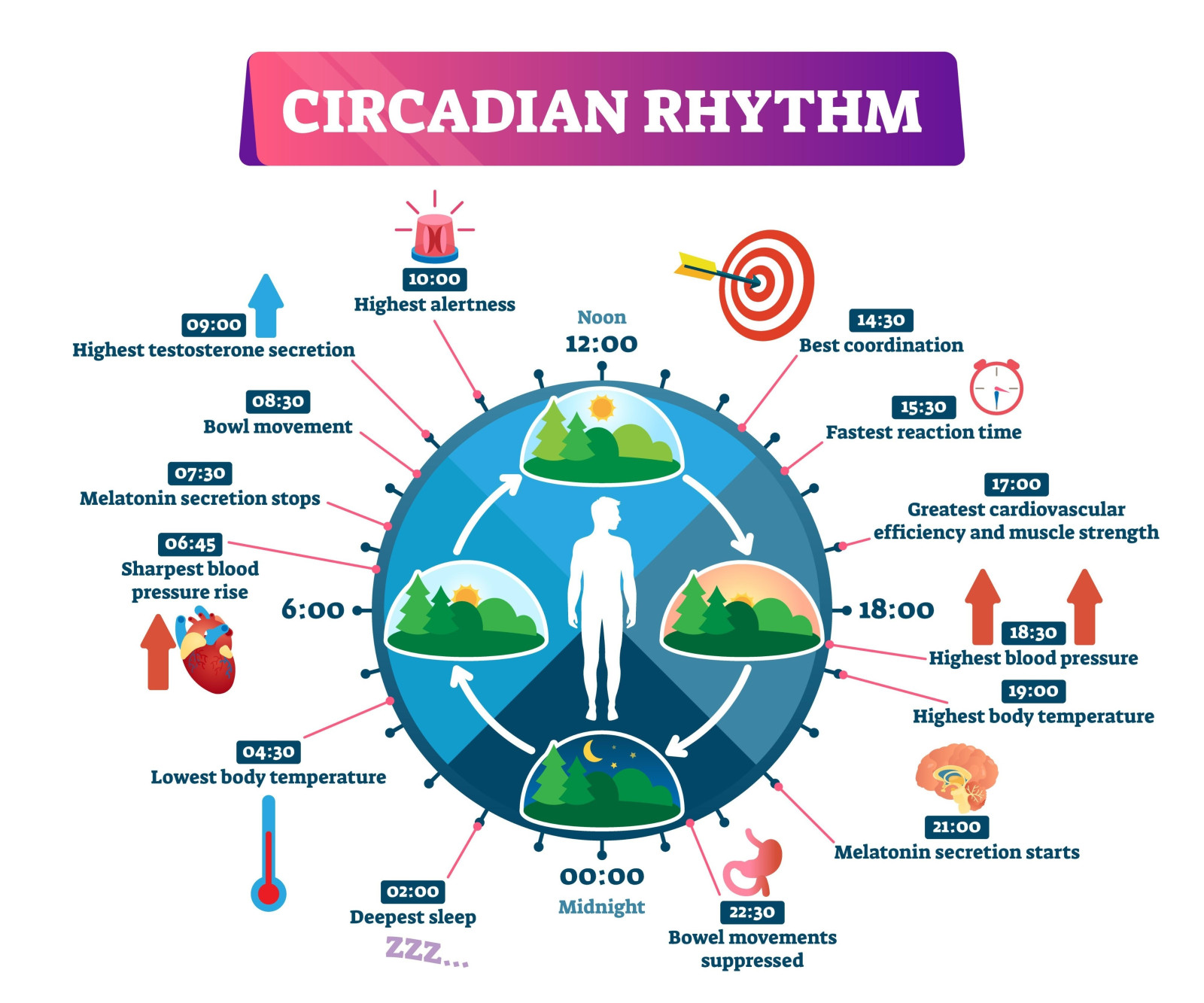
Research highlights light as the dominant external signal, or zeitgeber, for regulating human sleep-wake patterns. When clocks spring forward, societal schedules become misaligned with natural sunlight cycles, creating biological stress. This misalignment is a key reason many health organizations advocate ending daylight saving time changes permanently.
“Permanent, year-round standard time is the best choice to most closely match our circadian sleep-wake cycle,” said lead author Dr. M. Adeel Rishi of the Mayo Clinic.
Why Morning Sunlight Matters Biologically
After reviewing the risks posed by seasonal time changes, the American Academy of Sleep Medicine took a clear position, recommending abolition of seasonal clock shifts in favor of permanent, national standard time. This choice better aligns with human biology than year-round daylight saving time.
Sleep specialist Dr. M. Adeel Rishi stressed the importance of morning light for enhancing alertness. Daylight saving time delays morning sunlight exposure while extending evening light, disrupting natural rhythms. This shift can impair alertness during early hours like morning commutes.
The statement acknowledged that effects of permanent daylight saving time remain understudied, but emphasized that it tends to misalign the natural light-dark cycle with social time, causing phase delays where internal clocks shift later progressively.
Quantifiable Effects on Safety
Supporting these concerns with data, the American Academy of Sleep Medicine highlighted that traffic deaths rise by up to 6% immediately following the spring clock change. Furthermore, medical mishaps linked to human error reportedly increase by 18% in the subsequent week.
Public sentiment also bolsters legislative efforts—polls of over 2,000 U.S. adults revealed that 63% favor ending seasonal time shifts in favor of a consistent, year-round time, while only 11% oppose such changes, pointing to broad popular support.
Lawmakers now have real-world examples from Arizona and Hawaii to analyze as they weigh legislation. The pressing question remains whether more states will leverage existing federal allowances to adopt permanent standard time and end twice-yearly clock adjustments, a choice increasingly promoted in legal language and health discussions.
- Categories:
- News













0 comments
Sign in to Comment