
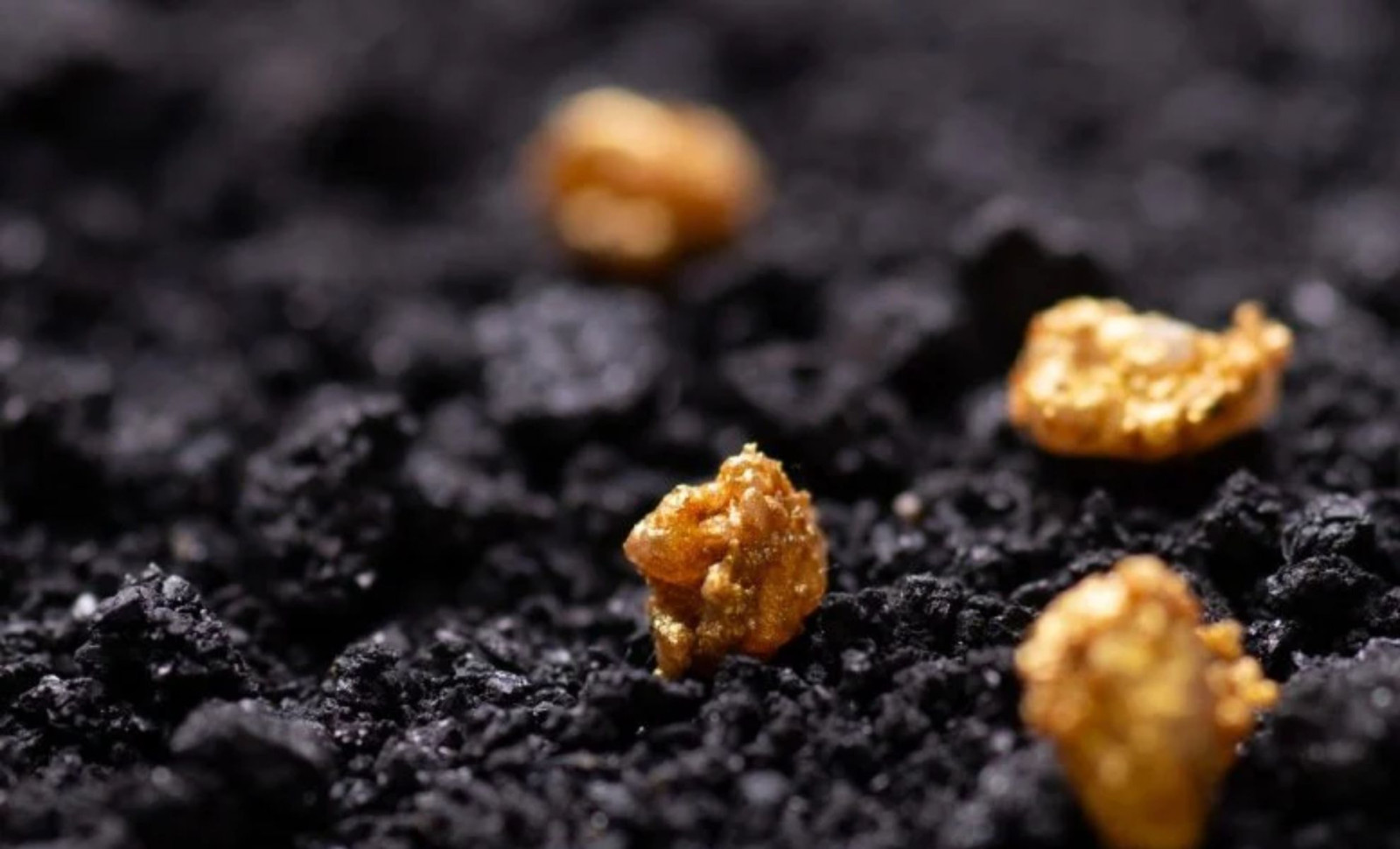
For many years, experts theorized that a distinctive terrain in a secluded valley of the Spanish Pyrenees resulted from ancient Roman gold mining activities. Recent research has now verified this theory through the unearthing and dating of an ancient hydraulic reservoir buried under layers of sediment.
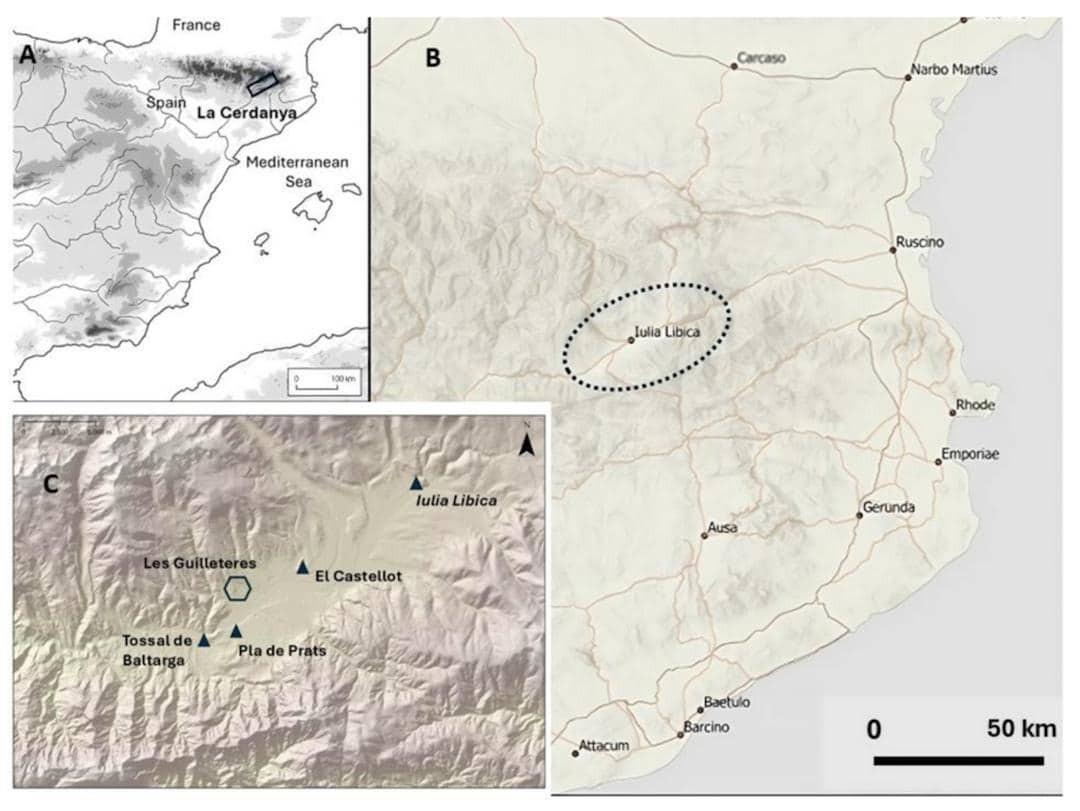
The location, called Guilleteres d’All, lies within the Cerdanya Valley in northeastern Spain. While it initially appears to be a rugged mountainous area, closer examination reveals deep ditches, man-made ravines, and large excavation sites that can't be solely attributed to natural processes.
A team from the University of A Coruña and the University of Barcelona led a study that offers compelling proof that Roman engineers harnessed advanced water management methods here almost 2,000 years ago to extract gold.

Roman Miners Drastically Altered Mountain Terrain
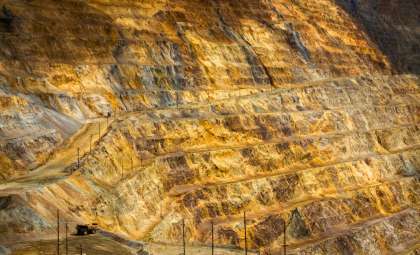
Signs of ancient activity have long been noted at the site. Archaeologists observed narrow furrows, carved slopes, and an enormous circular excavation about 300 meters in diameter. Their research, published in MDPI, interprets these formations as remnants of a hydraulic mining apparatus. Instead of manually digging for gold, Roman workers used controlled water flow to disintegrate and wash away sediment layers containing fine gold particles.
This process depended on an intricate system of channels and reservoirs designed to channel water onto sediment deposits, efficiently transporting Earth materials while enabling gold recovery.
Though smaller in scope than Las Médulas, Spain’s most renowned Roman mining site, this operation was significant in scale. Researchers estimate that approximately 2 million cubic meters of soil were relocated at Guilleteres d’All, leaving a landscape transformation still evident beneath mountains nearing 2,900 meters in elevation.
Ancient Reservoir Discovery Unlocks Dating Mystery
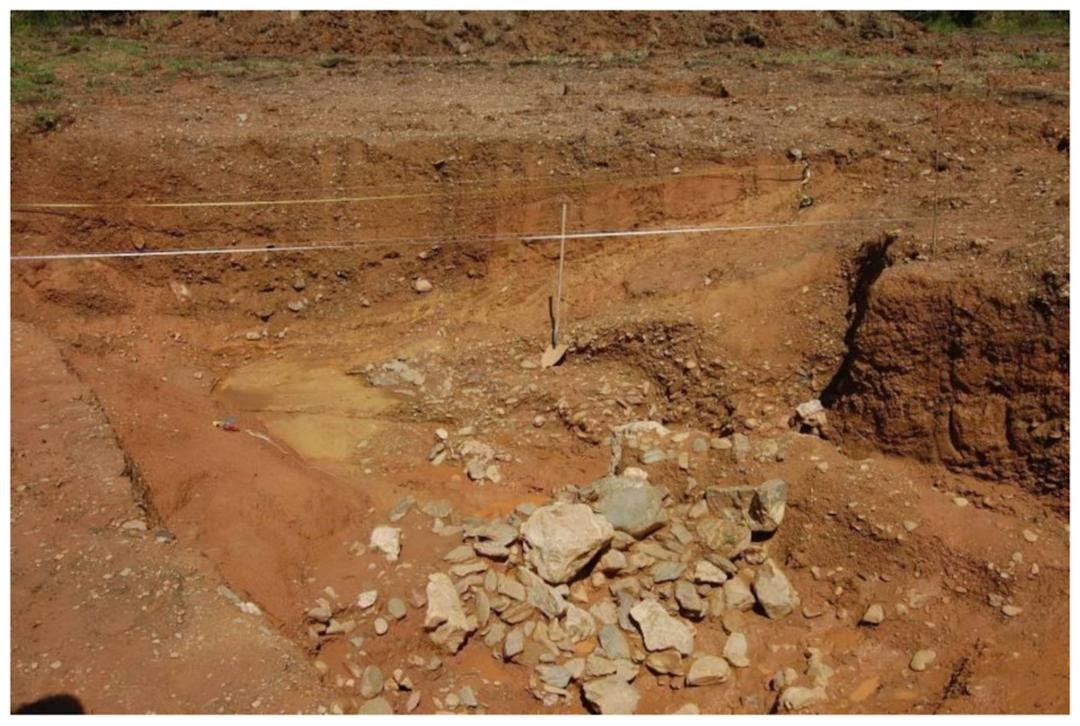
The major unknown was not the activity itself, but its exact period. While signs had long suggested a Roman origin, definitive proof was missing until excavations between 2010 and 2022 revealed a concealed reservoir buried beneath sediment layers.
This structure was engineered to store and control water for mining uses. About 4.5 meters wide and 1.5 meters deep, the reservoir featured a retaining wall built from large stone blocks. After its abandonment, fine sediment gradually accumulated on the reservoir floor—providing crucial samples for dating.
The team applied optically stimulated luminescence (OSL) dating, measuring when quartz grains last received sunlight exposure. Two sediment samples from the reservoir’s base yielded vital chronological information.
Findings place the decommissioning of the water-management system between the late 2nd century and early 3rd century CE, firmly situating mining activities within the Roman era, though the exact starting time remains undetermined.
Historical Texts and Artifacts Corroborate Roman Mining
This breakthrough helps unify scattered historical and archaeological data from the surrounding region. The mines are in proximity to Iulia Libica, now modern Llívia, the sole verified Roman settlement in this mountainous area. Researchers propose that this town might have overseen resource management and economic functions tied to the mining operation.
Ancient writers had already alluded to Pyrenean gold deposits. Pliny the Elder mentioned rich gold reserves in the Pyrenees, while poet Martial referred to gold from near Iulia Libica.
Archaeological finds further support the narrative, such as a metallurgical workshop uncovered at El Castellot de Bolvir and a 23-gram gold bracelet found in a nearby Roman burial site.
The new dating aligns these various clues, highlighting a timeline in which parts of Iulia Libica were abandoned simultaneously with the mining infrastructure, indicating interconnected developments in the region.
- Categories:
- News


0 comments
Sign in to Comment