
Emerging research reveals a troubling link between microplastics in commercially bottled water and significant threats to human health. These minuscule plastic fragments, measuring less than 5 millimeters, have become pervasive pollutants, detected not only in food and water but even in the air we inhale.
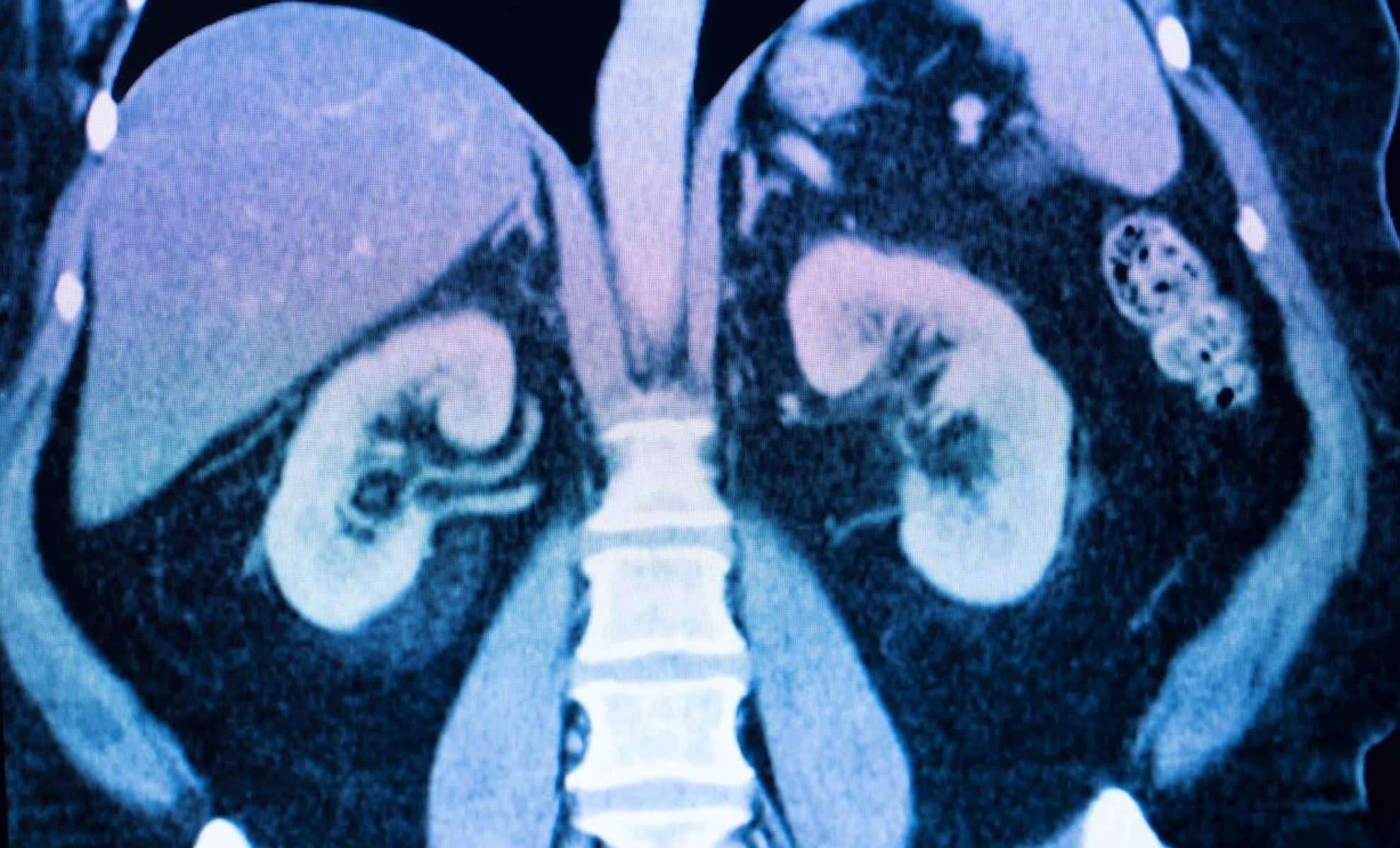
A recent investigation published in Communications Biology emphasizes how microplastics found in bottled water are detrimental to human organs, with the kidneys being particularly vulnerable.
Health Consequences of Microplastic Exposure
The findings demonstrate that microplastics not only contaminate ecosystems but actively cause damage to human tissues, notably the kidneys. Accompanying these particles is Benzo[a]pyrene (BaP), a harmful chemical pollutant.

Upon ingestion, microplastics serve as vehicles for BaP absorption primarily through the digestive tract, eliciting systemic inflammation and causing deterioration in organs such as the kidneys, confirming their potential for severe health implications.
The Gut-Kidney Connection and Microplastics
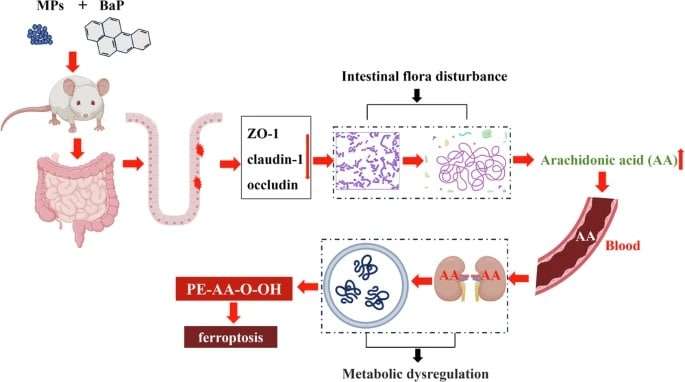
A significant discovery from the study is the role of the gut-kidney axis in how microplastics compromise renal health.
Ingested polystyrene microplastics (PS) interfere with the intestinal lining, which leads to the release of harmful substances, including metabolites like arachidonic acid, into the bloodstream.
These compounds reach the kidneys and trigger ferroptosis, a specific form of programmed cell death linked to iron accumulation.
The mechanism inducing ferroptosis involves reactive oxygen species (ROS), which inflict harm on kidney cells, ultimately causing cellular demise.
This research marks the first instance of identifying ferroptosis as a key factor in kidney damage resulting from microplastic exposure, shedding light on the potential long-term consequences.
The Growing Problem of Microplastic Pollution
Microplastics are now omnipresent, contaminating marine environments, soil, and even atmospheric air. Their tiny dimensions complicate efforts to filter them out, allowing them to accumulate steadily in the environment.
As these particles invade our food and water sources, they also penetrate our bodies, raising alarming public health concerns that require further investigation. Bottled water has been identified as a major contributor to microplastic intake, drawing attention to its associated dangers.
Impact of Bottled Water on Environment and Health
Although the International Bottled Water Association disputes certain claims of the study, the overarching issue of plastic contamination remains pressing.
The association highlights that bottled water containers are typically made from polyethylene terephthalate (PET) instead of polystyrene, yet environmental problems related to plastic pollution persist.
Exposure of plastic bottles to high temperatures can lead to leaching of toxic substances into the water, further exacerbating contamination risks.
This body of work underscores microplastics as a critical environmental threat and a probable catalyst for health complications. The increasing microplastic content in bottled water amplifies both ecological and human health challenges.
Ways to Minimize Microplastic Exposure
Experts recommend practical strategies to lessen microplastic intake. One straightforward approach is adopting the use of reusable water bottles. Choosing options made from glass or aluminum further diminishes plastic-related hazards.
Effective recycling plays a crucial role in managing plastic waste responsibly. Supporting companies committed to sustainable packaging aids in curtailing the environmental footprint of microplastics.
Combining these personal and systemic initiatives can help combat the expanding problem of plastic pollution.
While the implications of microplastic exposure on health are becoming clearer, further research is essential to fully unravel their impact.
Continued scientific exploration will be vital in shaping future policies aimed at limiting exposure and mitigating the environmental fallout of plastic contaminants.
- Categories:
- Science








0 comments
Sign in to Comment