
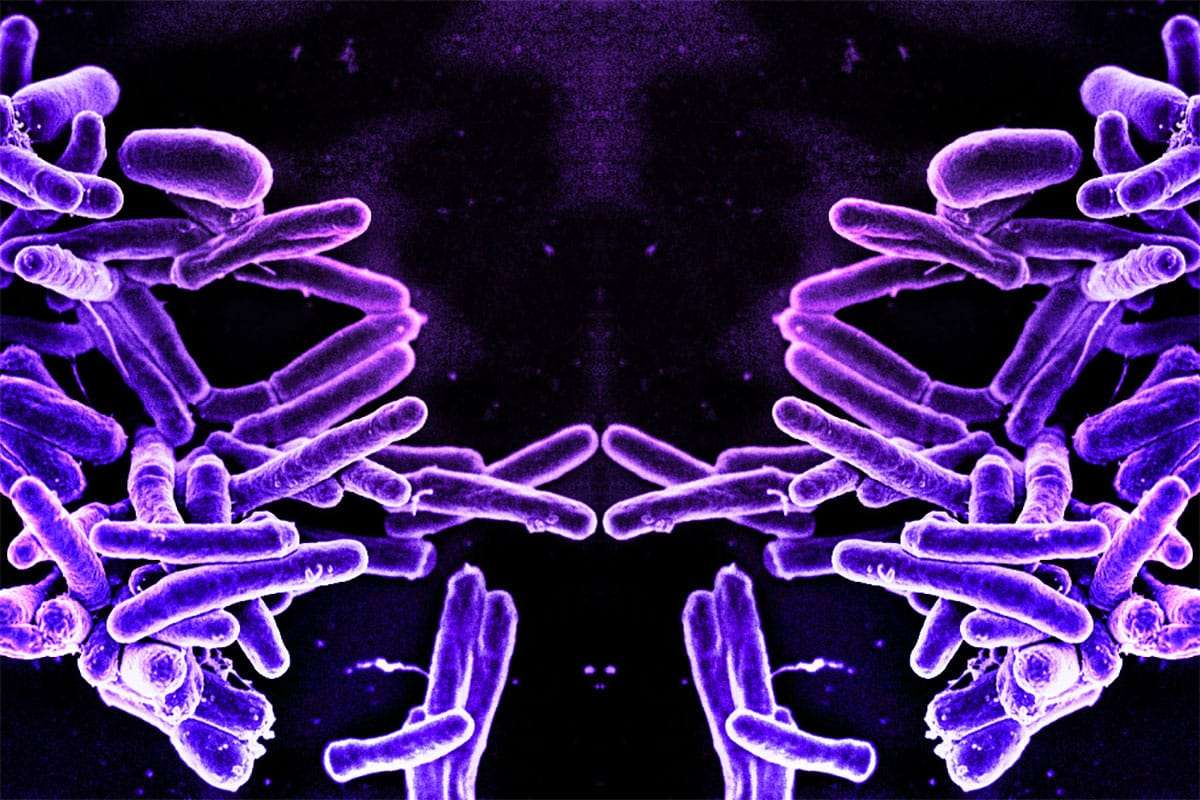
Mirror bacteria are a speculative idea within synthetic biology, consisting of cells built from molecules that are the exact mirror images of those in natural organisms. The key distinction lies in molecular chirality—the three-dimensional orientation of atoms in molecules.
In natural life, amino acids exhibit a “left-handed” arrangement, while sugars predominantly adopt a “right-handed” form. Mirror bacteria would invert this stereochemistry, forming organisms fundamentally alien to all known biological systems. This reversal could make them unrecognizable to native immune defenses and microbial competitors, offering these synthetic cells a potential survival edge.
Although no fully functional mirror bacterium has been engineered, researchers have succeeded in synthesizing individual mirror molecules for targeted experiments. However, constructing an entire functioning mirror cell presents considerable technical challenges, including:

- Fabricating mirror analogs of complex cellular components such as ribosomes
- Assembling these elements into a viable living entity
- Ensuring these mirror organisms can self-replicate and maintain metabolism
Mirror molecules promise transformative applications in pharmaceuticals and biomanufacturing. Drugs composed of mirror molecules could resist enzymatic breakdown, extending their activity within the body. In industrial settings, these molecules could create contamination-resistant processes, improving efficiency and product consistency.
A unified scientific plea for strict oversight
Despite the conceptual nature of mirror bacteria, a coalition of 38 prominent scientists from nine nations recently published a joint statement in Science advocating for an immediate halt on research aimed at creating these organisms. This collective position highlights the significant risks mirrored bacteria may pose.
The authors, encompassing Nobel Prize winners Greg Winter and Jack Szostak along with leaders in immunology, ecology, and ethics, stress the urgent need for a stringent ethical framework and regulatory measures. Funding agencies are urged to suspend grants for projects developing mirror bacteria until thorough safety evidence is furnished.
The risks outlined include:
- Ecological imbalance: Mirror bacteria could exploit uncommon resources in the environment, potentially spreading unchecked and disrupting ecosystems.
- Severe health threats: Infections might be devastating, as immune systems could fail to detect these inverted organisms, causing a form of induced immunodeficiency.
- Unrestrained proliferation: The absence of natural predators or immune responses could enable rapid and unpredictable spread.
While recommending a pause on full mirror organism creation, the report supports continued research on mirror molecules for therapeutic and industrial purposes, aiming to balance innovation with cautious risk management.
Initiating international collaboration and safeguards
The dangers posed by mirror bacteria have sparked global calls for regulation ahead of advancing research. To address this, international symposia are planned for 2025 at leading institutions including Institut Pasteur in Paris, the University of Manchester, and facilities in Singapore.
These gatherings will unite scientists, policymakers, funders, and civil society to establish ethical standards and governance models. Their goal is to preempt hazards while enabling informed conversations about the promises and constraints of this technology.
Patrick Cai, a synthetic genomics professor at Manchester, remarked that these discussions provide a crucial platform for proactive oversight, striking a balance between scientific progress and responsible stewardship. Additionally, this initiative seeks to boost global cooperation critical for harmonizing priorities and boundaries in synthetic biology.
By establishing preventative measures now, researchers aim to realize the advantages of mirror molecules while avoiding dangerous outcomes, paralleling previous cautious approaches in genetic research like the study of Chernobyl’s mutant wolves and their cancer resistance.
The balance between cutting-edge research and precaution in synthetic biology
The controversy surrounding mirror bacteria underscores the tension between pioneering science and ethical responsibility within synthetic biology. New milestones, such as the development of mice from pre-animal genes, highlight the need for comprehensive regulatory frameworks.
The research community must carefully weigh breakthrough discoveries against possible catastrophic outcomes. Enacting strong international policies and monitoring systems is vital for steering synthetic biology research—including mirror bacteria studies—toward safe, ethical advancement.
Considering broader bioengineering projects, like the revival of extinct predatory species, reveals similar ethical complexities, emphasizing the importance of foresight and responsibility.
The global scientific response to mirror bacteria challenges can serve as a blueprint for addressing future ethical dilemmas in synthetic biology. Through open discourse, clear guidelines, and prioritizing safety, these revolutionary technologies can be harnessed while preserving Earth's fragile ecosystem.
- Categories:
- Science












0 comments
Sign in to Comment