
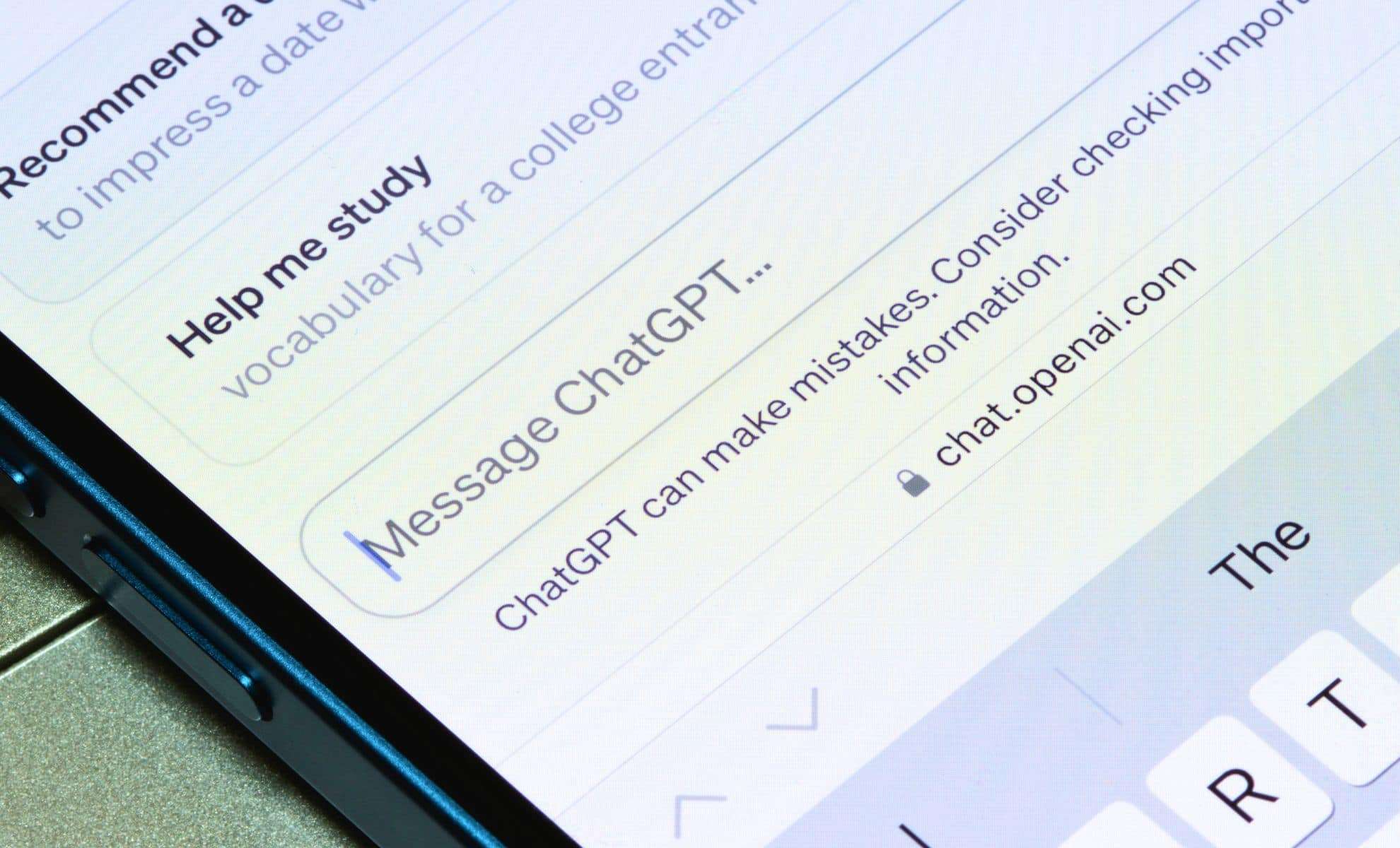
Starting August 2025, OpenAI has revamped how its AI assistant, ChatGPT, handles inquiries related to emotional challenges, mental well-being, and critical personal choices. This update marks a significant shift in the company’s approach to ethical AI interactions.
Addressing Emotional Dependence on AI
OpenAI’s newest update responds to concerns about some users turning to ChatGPT as a coping mechanism during emotionally difficult times. OpenAI reports that users have posed questions such as “Should I end my relationship?” or “Am I making the right choice in life?” to the AI assistant.
Moving forward, ChatGPT will offer open-ended replies encouraging reflection and exploration rather than direct advice. The AI aims to guide users in considering different viewpoints, evaluating pros and cons, and thinking through potential options without making decisions on their behalf.

This adjustment helps prevent emotional overreliance on AI, emphasizing that it should not replace expert advice or human judgment.
Introducing Mindful Interaction Features
Two notable changes have been introduced to enhance user well-being. Users will receive gentle reminders to pause during extended conversations, promoting healthier habits and reducing prolonged dependence on the chatbot.
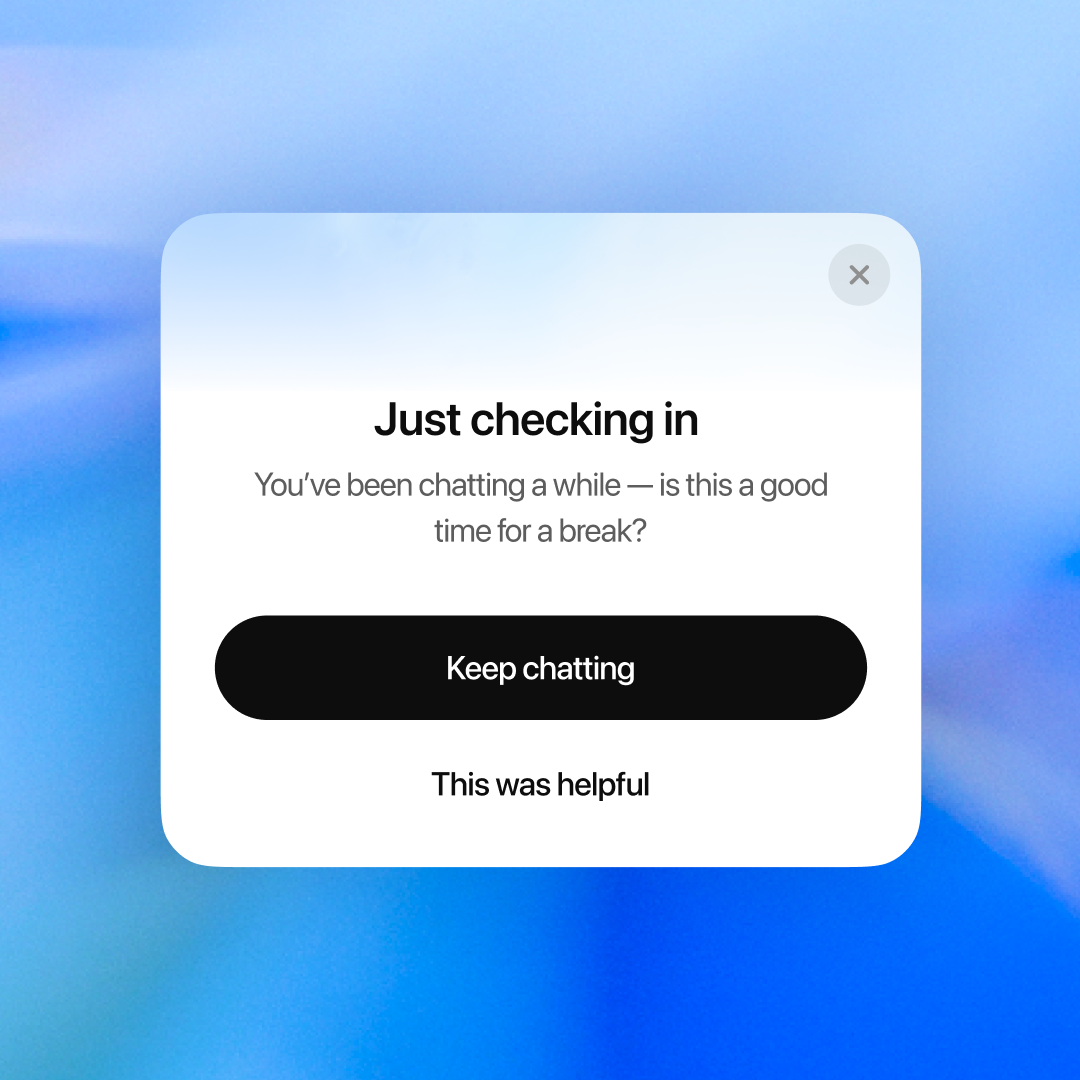
Additionally, when ChatGPT detects queries related to mental health, emotional distress, or complex life matters, it will refrain from providing conclusive responses. Instead, the AI will steer conversations towards structured thinking methods and reliable resources.
OpenAI highlights that the goal is to help users gain clarity and progress, noting, “Often, less time in the product is a sign it worked.”
Expert Guidance Shaping Responsible AI Behavior
The update was developed through collaboration with numerous specialists, including psychiatrists, general practitioners, youth experts, and human-computer interaction (HCI) researchers. Over 90 medical professionals from 30+ countries helped design evaluation criteria for ChatGPT’s handling of multi-step emotional conversations.
Experts created specialized guidelines to ensure sensitive issues are approached with care. Alongside clinicians, HCI researchers identified early indicators of distress and tested response strategies to guarantee the AI recognizes when to step back.
In early 2025, the GPT-4o model missed signs of emotional distress in a few cases. Though infrequent, these incidents prompted OpenAI to revisit safety measures and speed up training efforts focused on responsible redirection.
Defining AI’s Role in Sensitive Situations
This update marks a more mature stance on AI-human relationships. OpenAI now clearly limits ChatGPT’s function—not as a counselor or decision-maker, but as a support tool that aids clearer thinking.
The change also invites reflection on users’ interactions with AI. As these systems become increasingly empathetic and persuasive, the perceived emotional connection can blur boundaries between technology and genuine human support.
OpenAI’s strategy—stepping back, avoiding direct answers, and guiding rather than deciding—demonstrates a commitment to upholding trust and responsibility for users facing vulnerability.
- Categories:
- News













0 comments
Sign in to Comment