
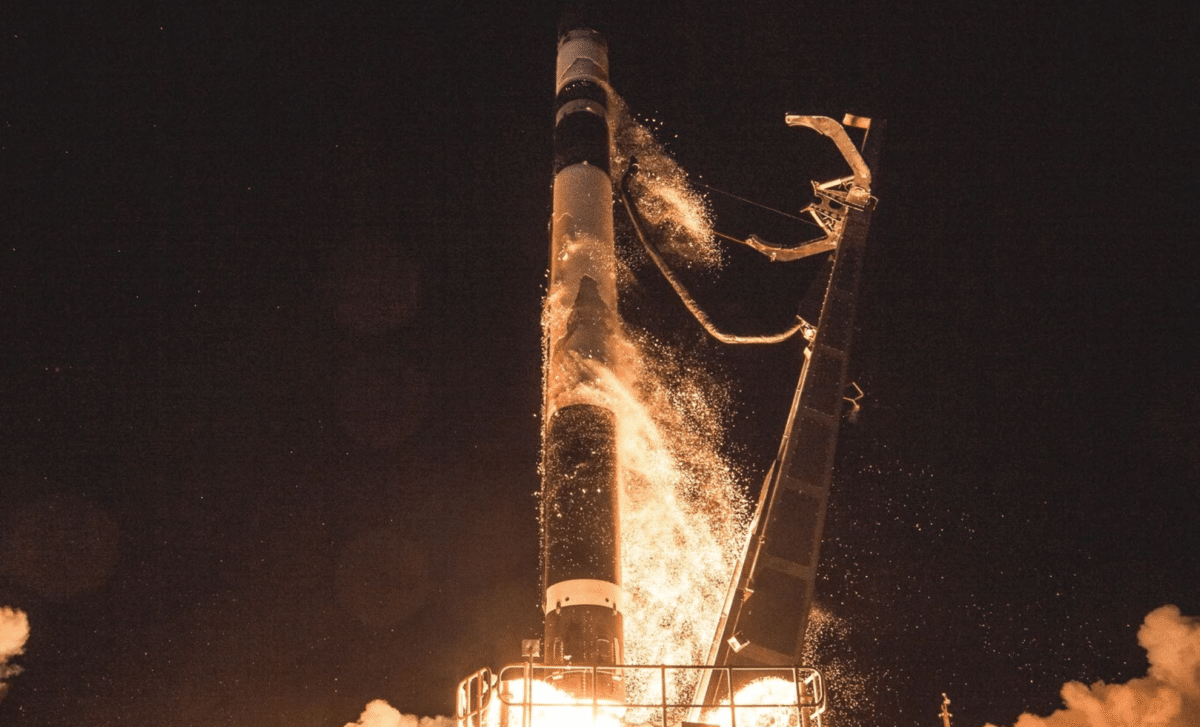
Rocket Lab has set a new benchmark in rapid space deployment by sending a U.S. Space Force satellite into orbit in less than 17 hours from the moment it received the launch directive. This feat underscores the growing role of commercial space firms in national defense and highlights the increasing necessity for spacecraft that can be deployed almost instantaneously. The company announced this success as a groundbreaking moment for quick-turnaround space missions.
Unprecedented Rapid Launch Surpasses Expectations
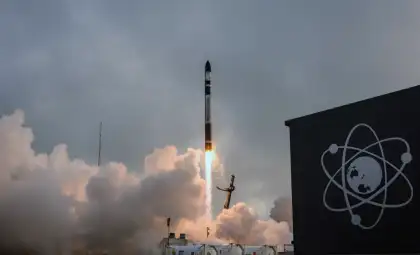
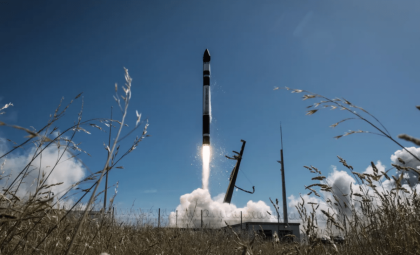
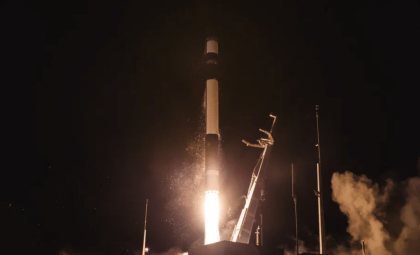
The mission was part of the U.S. Space Force’s Victus Haze initiative, aimed at pushing the limits of how swiftly launch providers and satellite operators can mobilize in response to urgent orbital needs. Rocket Lab received the launch approval and successfully lifted off its Electron rocket from Launch Complex-1 in New Zealand just 16 hours and 42 minutes later—smashing the previous record for a tactically responsive launch by over ten hours.
This mission transforms the concept of rapid deployment from theory to execution, requiring seamless collaboration across spacecraft preparation, mission control, launch operations, and range safety, all while maintaining strict standards of safety and mission success.

The importance of this achievement cannot be overstated. Military strategists are prioritizing fast reaction capabilities to cope with an increasingly congested space domain. The ability to dispatch space assets swiftly offers new tactical advantages, eliminating the necessity to plan launches months ahead and enabling mission activation within hours, thus altering the landscape of space operations.
The VICTUS HAZE mission explained.
Phase 1: Launch on demand 🚀 The @USSpaceForce's @USSF_SSC called, told us to launch, and just 16 hours 42 minutes hours later, Electron successfully left the pad from LC-1.
Phase 2: 🛰️ With Pioneer spacecraft checkouts complete 34 hours… pic.twitter.com/lJK226LhzT— Rocket Lab (@RocketLab) June 23, 2026
Orbital Pursuit Mission Commences Post-Launch
The initial launch was just the beginning. After insertion into low Earth orbit, Rocket Lab’s Pioneer spacecraft initiated a complex mission to perform orbital pursuit and proximity maneuvers with another spacecraft already orbiting Earth.
A Rocket Lab update from June 22 detailed,
“[Pioneer] is now fully commissioned and conducting complex orbital maneuvers to chase down another spacecraft on orbit and conduct Rendez:vous and Proximity Operations (RPO).”
The target of this chase is True Anomaly’s Jackal satellite, which had been launched earlier as part of the same Victus Haze demonstration. The mission aims to replicate real-world scenarios where satellites must find, approach, observe, and interact with other objects in space—capabilities increasingly critical for gaining situational awareness in Earth orbit.
Carrying out rendezvous and proximity operations ranks among the most technically challenging tasks in spaceflight, requiring precision navigation, dealing with communication latency, and ensuring safe distances. Victus Haze testifies to these demanding conditions while proving responsive space operations from an ultra-fast launch through to complex orbital interactions.
Space Force’s Strategic Interest in Rapid Space Capabilities
Beyond setting records, Victus Haze serves to highlight the potential for commercial companies to support the U.S. military in addressing dynamic orbital challenges, including managing encounters with uncooperative or adversarial satellites.
Lt. Col. Lincoln Miller, Space Safari system program manager, stressed the importance of the demonstration noting:
“Rendezvous and Proximity Operations on such short timelines are certainly not trivial, especially in a crisis or conflict scenario, but this demonstration of our ability to commission a complex and capable space vehicle within less than 72 hours, and immediately begin an RPO scenario thereafter, shows that we can field capability to deny adversaries first-mover advantage into novel orbits.”
This perspective reveals a shift toward valuing speed and adaptability in orbit. Military leaders recognize that the ability to launch, activate, and maneuver satellites within hours or days could redefine future defense postures in space. Traditional long lead times for space missions may soon be a thing of the past.
Victus Haze's success provides the U.S. Space Force with crucial insights on the operational viability of rapidly mobilized commercial space infrastructure, shaping how future defense contracts and missions might be structured.
Rocket Lab’s End-to-End Capabilities Drive Success
A key factor enabling this rapid mission was Rocket Lab’s comprehensive role, acting as the launch provider, spacecraft designer, and operator throughout the flight. This integrated approach minimized dependencies on external contractors and enabled a swift transition from launch order to liftoff.
By overseeing the entire mission chain, Rocket Lab demonstrated how a unified commercial system could effectively support national security missions requiring immediate execution.
Peter Beck, CEO of Rocket Lab, remarked on the mission’s broader impact:
“This is what modern space power looks like: the ability to reinforce and reimagine national security space architecture at will.”
He added:
“We’re proud to be providing the nation with those next-generation space capabilities, today.”
The statements illustrate Rocket Lab’s ambition to be a dominant force in rapid launch and spacecraft operations, positioning itself to meet the growing demand for flexible, integrated space access solutions in the defense sector.
- Categories:
- Space





0 comments
Sign in to Comment