
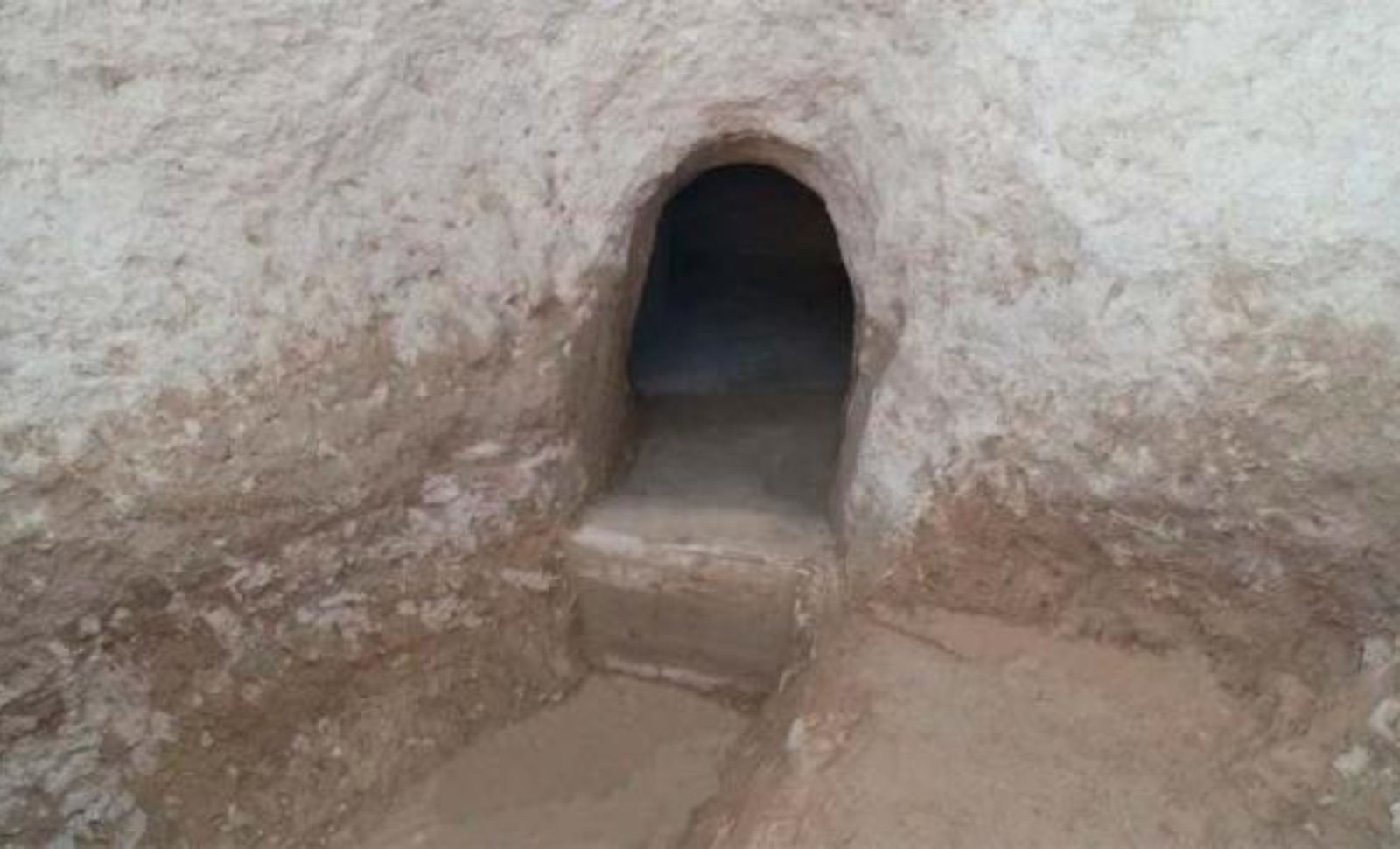
Archaeologists have uncovered an extraordinary subterranean network beneath the Houchengzui Stone City in northern China, shedding new light on Neolithic life. Hidden beneath the city’s formidable stone ramparts, a series of six interconnected tunnels demonstrates that the ancient builders envisioned complex infrastructure extending beyond visible fortifications.
Situated along the northern bank of the Hun River in Inner Mongolia Autonomous Region, Houchengzui Stone City dates to approximately 4,300–4,500 years ago. Spanning about 340 acres, the location was already recognized for its advanced defensive architecture prior to these groundbreaking discoveries below ground.
Although identified in 2005, systematic excavations only commenced in 2019. Initial digs uncovered an inner and outer city, fortified gateways, and a system of defensive ditches, signifying a carefully planned settlement designed for protection. Later investigations revealed an even more remarkable feature underground.

Subterranean Passageways Underpinning the City's Defensive Design
In 2023, archaeologists revealed six tunnels beneath the settlement’s surface. As reported by the Institute of Archaeology of the Chinese Academy of Social Sciences via the Inner Mongolia Autonomous Region Institute of Cultural Relics and Archaeology, these tunnels closely follow the circular pattern of the city above.
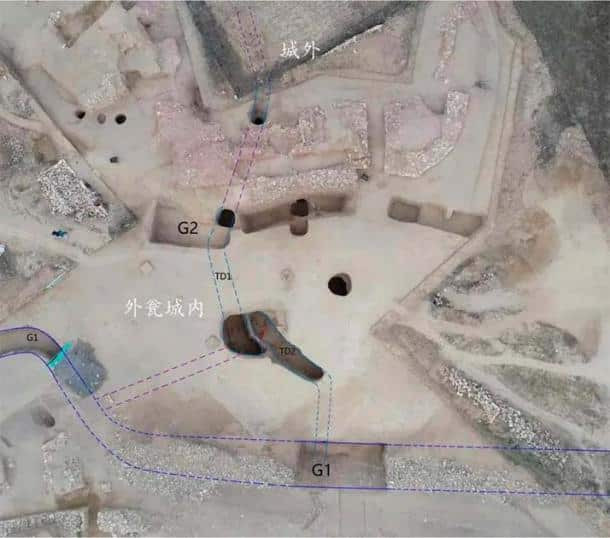
The tunnels vary in depth from about five feet up to nearly 20 feet below the surface. They feature a consistent design, measuring approximately six feet in height and four feet in width, complete with carefully constructed arched ceilings.
Extending from the city center past walls and gates to the exterior of the outer defenses, these passages form an intricate underground network integrated with the city’s fortifications. This layout indicates they were intentionally embedded within the urban plan, rather than added after the fact.
Impressive Level of Engineering Amazes Researchers
Unearthing even one tunnel at a Neolithic settlement is a rare feat, given the scarcity of documented subterranean constructions from this era. Discovering six coordinated tunnels built to uniform specifications and incorporated into the city’s defensive framework astonished investigators. This comprehensive network prompted detailed scrutiny of the engineering techniques involved in its creation.
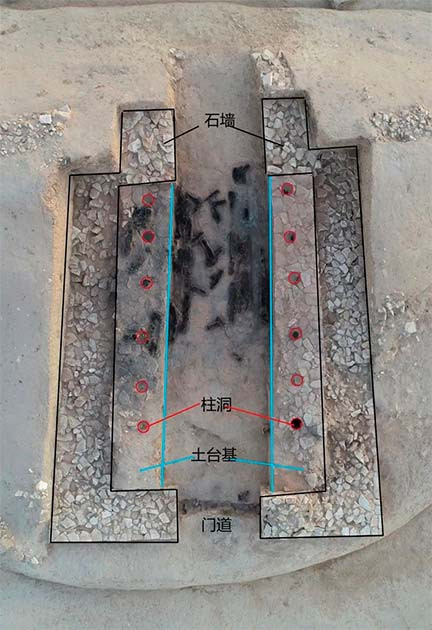
According to China Daily, Sun Jinsong, head of the Inner Mongolia Academy of Cultural Relics and Archaeology, noted one tunnel connecting the inner barbican with areas outside the city walls, while another links directly to the protective moat encircling the settlement.
This subterranean discovery complements an already formidable defense system, which includes the Main City Gate, the Urn City Gate and related outer gates, plus a network of trenches guarding critical walls and entry points.
Current Insights from Researchers
Experts suggest the tunnels likely fulfilled both military and economic roles. Some extend beyond the stone city’s defenses, allowing discreet transport of supplies or goods under the fortified settlement.
The tunnel dimensions accommodate an individual carrying equipment, while their narrow design facilitates defense if needed. Jinsong also highlighted that:
the design of Houchengzui Stone City’s gates “resembles other earthen architectural ruins (from centuries later) in China’s Central Plains region”. He added that those similarities “demonstrated communication among peoples across the regions.”
- Categories:
- Science






0 comments
Sign in to Comment