
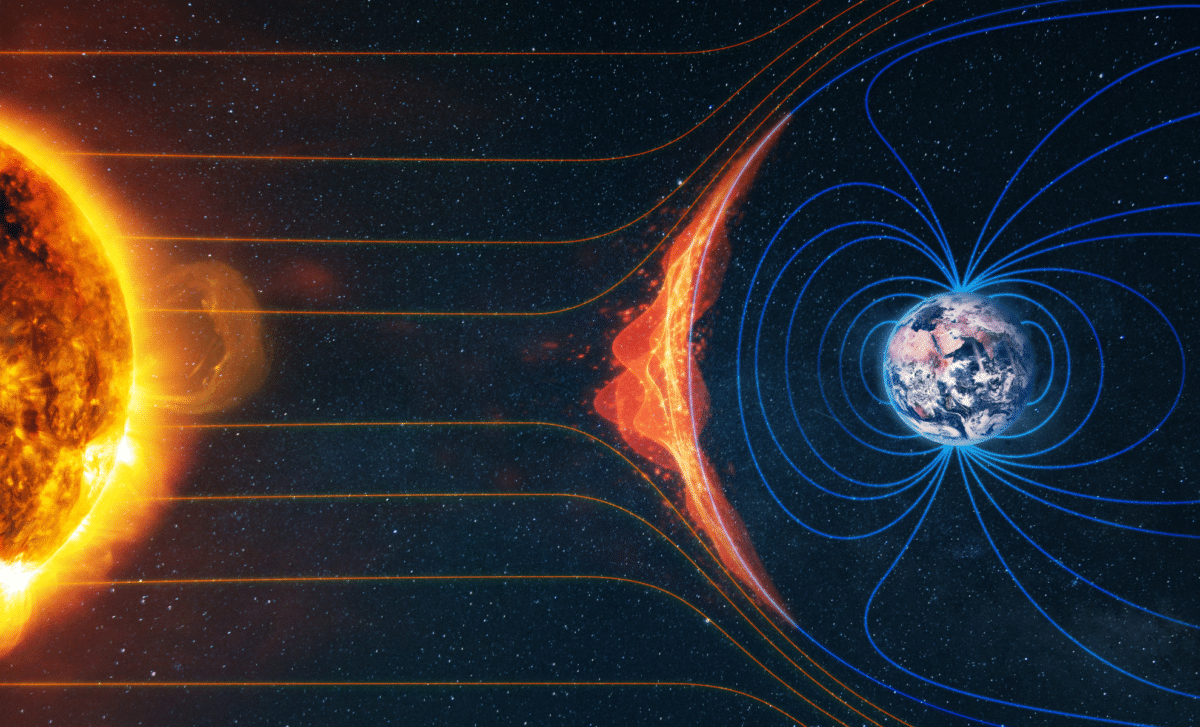
Solar storms have long been recognized as uncontrollable natural phenomena that can disrupt satellites, communication networks, navigation tools, and power systems worldwide. However, a recent study highlighted by Advancing Earth and Space Sciences (AGU) points toward a future where mitigation, rather than mere prediction, could become a reality. This breakthrough could revolutionize how we protect our technology from solar hazards.
Enhancing Earth’s Magnetic Defense Against Solar Eruptions
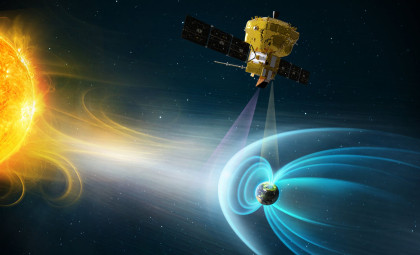
At the heart of this approach lies Earth’s magnetosphere, the gigantic magnetic shield that deflects charged solar particles. During intense coronal mass ejections (CMEs), this protective barrier may be compromised, exposing satellites and terrestrial infrastructures to severe geomagnetic effects.
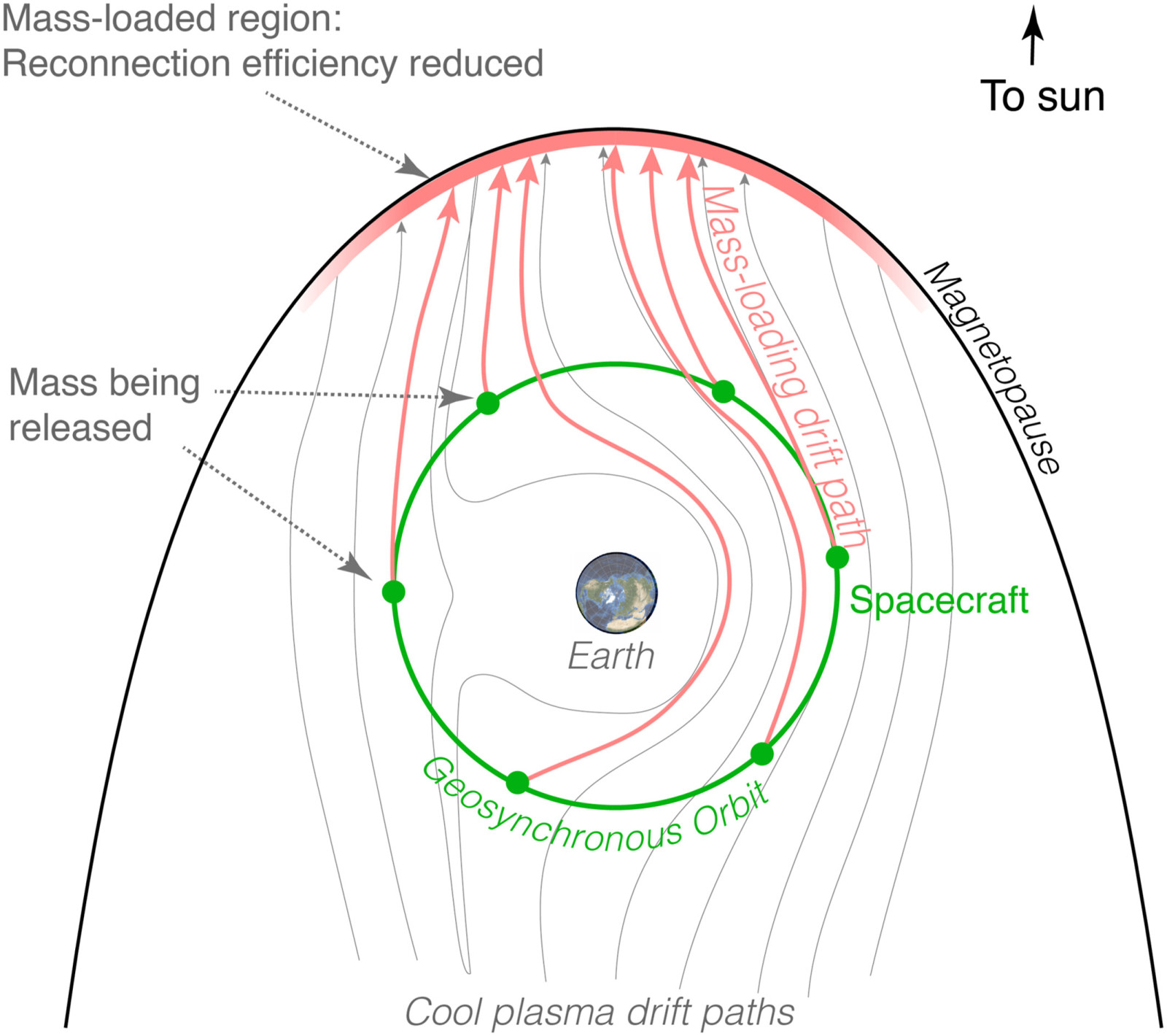
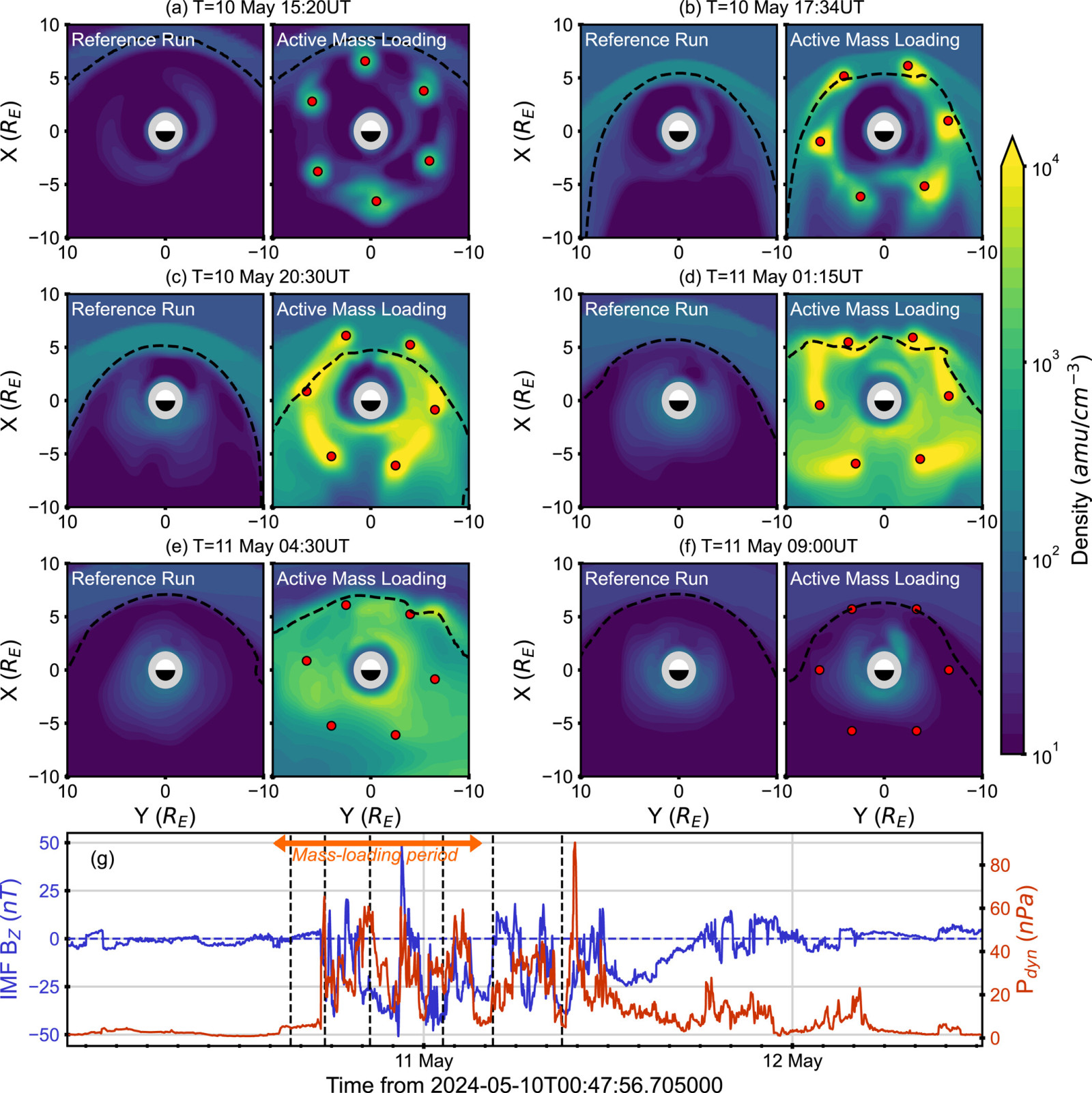
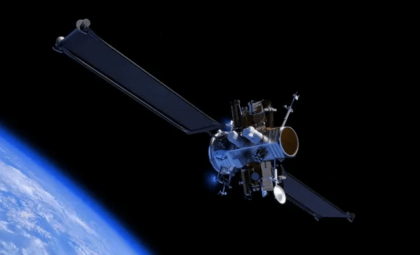
Research published in Advancing Earth and Space Sciences (AGU) envisions deploying multiple spacecraft equipped with stored mass-loading materials in orbit. Upon detection of a powerful solar storm, these spacecraft would discharge the material into Earth’s dayside magnetosphere. Sunlight would then ionize this substance, producing plasma that interacts with the solar wind. Instead of attempting to halt the solar storm itself, this technique aims to weaken its energy prior to its arrival, with computational models suggesting a reduction in storm intensity by over 50%, thereby safeguarding critical satellite systems and ground networks.

A Paradigm Shift in Space Weather Management
This concept marks a significant change from conventional space weather strategies, which have primarily focused on predicting solar storms and issuing warnings. Instead, it proposes an active intervention to influence how solar wind interacts with our planet’s magnetic shield.
“People have always thought, ‘space is huge, the sun is massive, we just have to sit here and take whatever it gives us,’” Brian Walsh, an associate professor of mechanical engineering at Boston University’s College of Engineering, explained in a statement.
“But what we found is that we can impact it.”
Though ambitious, the researchers emphasize this concept builds on existing technologies rather than speculative advancements. The orbiting craft would remain on standby for prolonged periods until an intense solar event triggers deployment. This approach’s practicality has garnered considerable interest among experts in space science.
The Ongoing Risk Solar Storms Pose to Technology
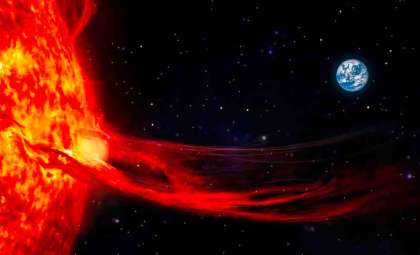
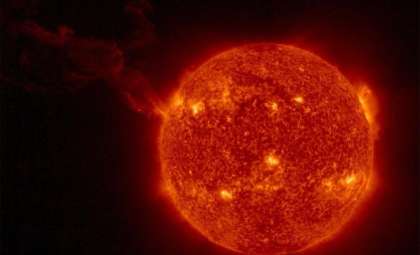
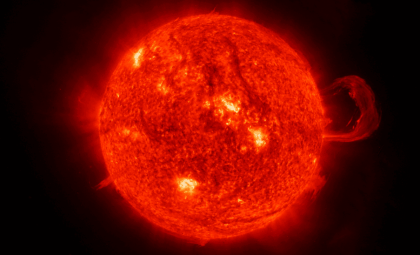
Solar storms start when the Sun releases vast amounts of plasma and twisted magnetic fields outward. If directed at Earth, these eruptions can disrupt radio transmissions, GPS systems, satellite hardware, and electrical grids. Crew members beyond Earth’s atmosphere are also exposed to heightened radiation during these events.
Human society’s growing reliance on interconnected space systems and satellite networks means the consequences of extreme geomagnetic storms are increasingly severe. Financial institutions, air travel, emergency response, meteorology, shipping, defense, and internet infrastructure all count on dependable space assets. This dependency underscores the need for enhanced protective measures.
While forecasting techniques have improved, enabling pre-emptive safeguards, this proposed active mitigation method would diminish the storm’s intensity itself, complementing existing early-warning systems and providing a more robust shield against solar threats.
- Categories:
- Space




0 comments
Sign in to Comment