
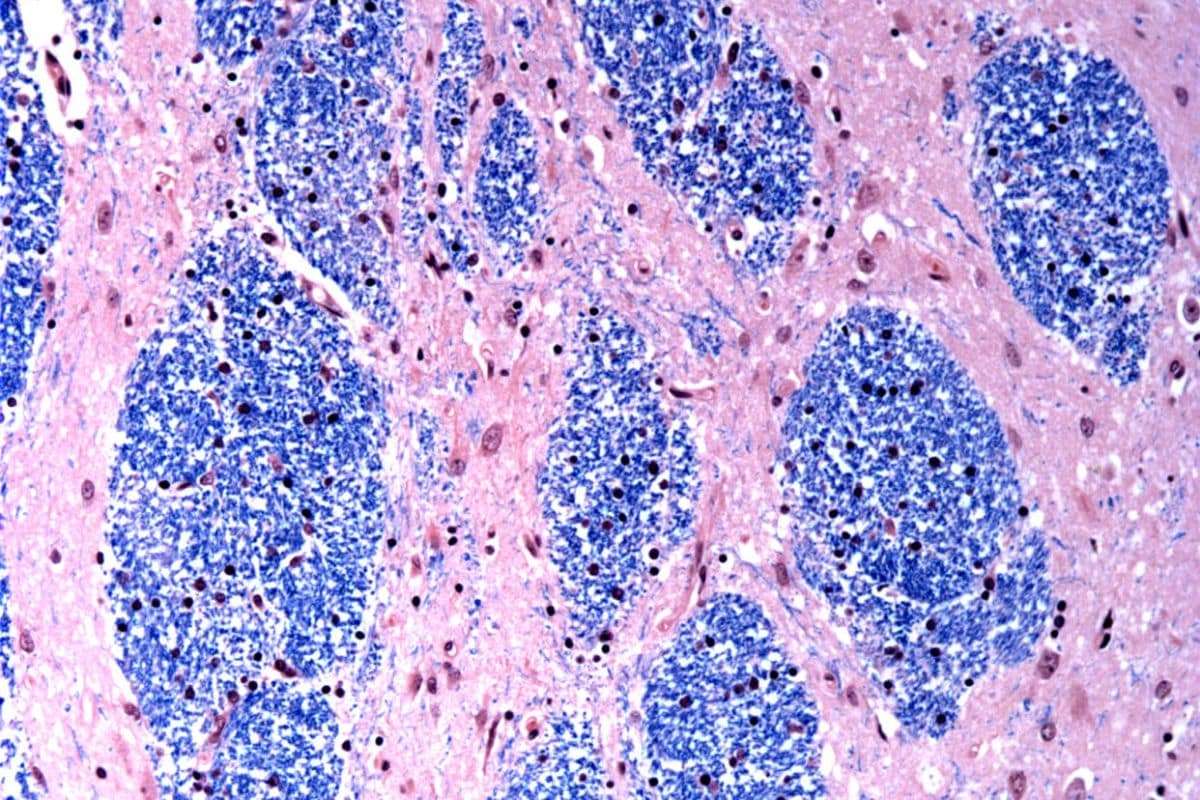
Anyone familiar with Huntington’s disease understands its harsh impact. This inherited neurological disorder progressively depletes a person’s ability to move, think, and express themselves. Typically emerging between ages 30 and 50, it raises an intriguing question: Why do symptoms only appear later in life despite the mutation being present from birth?
Recent discoveries provide an unexpected explanation that could revolutionize how we approach this devastating illness.
Decoding the Genetic Roots
Huntington’s disease originates from a mutation in the HTT gene, which encompasses a DNA segment called the CAG repeat. Healthy individuals generally possess 15 to 35 repeats, while those affected by Huntington’s have 40 or more. Scientists have long been puzzled by why the mutation lies dormant for years before the onset of severe neurological decline.

Breakthrough research now reveals that the number of CAG repeats gradually increases over a person's lifetime. When the repeat count surpasses roughly 150, harmful proteins are produced, causing neurons in vital brain regions to deteriorate. This explains why symptoms surface well into adulthood, despite the mutation's presence from birth.
Symptoms and Disease Progression
The degeneration of nerve cells in Huntington’s disease leads to a progression of symptoms, which include:
- Uncontrolled movements such as jerking and twitching.
- Cognitive impairment affecting memory, reasoning, and decision-making.
- Changes in behavior including mood swings, anxiety, and depression.
Manifesting over 10 to 25 years, these symptoms leave patients increasingly reliant on care. Approximately 41,000 people in the United States currently live with Huntington’s disease, with many others carrying the gene mutation but without symptoms.
Still, hope shines through: this latest study offers promising pathways to delay or perhaps prevent the illness.
Revolutionary Findings on DNA Repeat Expansion
The investigation, conducted by the Broad Institute of MIT and Harvard, examined brain tissues from 103 donors—53 with Huntington’s and 50 without. Analyzing over half a million cells, the team mapped how the condition advances at the molecular level.
They uncovered that the CAG expansions occur slowly during the first 20 years of life but accelerate markedly after reaching about 80 repeats. Once surpassing 150 repeats, neurons, especially those in the caudate nucleus—a key brain area for motor control and decision processes—begin to die off.
Dr. Steve McCarroll, co-lead of the study, remarked that the outcomes were “truly unexpected.” He explained that although earlier research suggested that 30 to 100 repeats could induce the disease, their findings indicate that much larger expansions are necessary to cause symptoms.
Future Directions in Therapeutics
While this groundbreaking work sheds light on the disease mechanism, crafting effective treatments for Huntington’s remains challenging. Present drugs alleviate symptoms without tackling the root genetic causes. Attempts to develop medications that reduce toxic HTT proteins have faced hurdles in clinical studies.
The new discovery points to halting or slowing down the DNA repeat expansion as a promising therapeutic target. By preventing or decelerating the accumulation of harmful repeats, it may be possible to postpone or forestall disease onset. Several pharmaceutical companies have begun pursuing this approach, though it is still in early development stages.
Dr. Sabina Berretta, a senior lead author, highlighted the significance: “The longer the repeats become, the sooner symptoms appear.”
Addressing Initial Skepticism Among Researchers
At first, the idea that very large CAG expansions play a key role met with doubt in the scientific field. Prior studies focused on smaller expansions, concluding they were insufficient alone to cause Huntington’s. This new evidence firmly establishes that expansions beyond 150 repeats are critical for triggering the disease.
Dr. Mark Mehler from Albert Einstein College of Medicine called this research a “milestone” that resolves longstanding mysteries. He believes it will ignite a fresh wave of advances in Huntington’s disease science.
- Categories:
- Health













0 comments
Sign in to Comment