
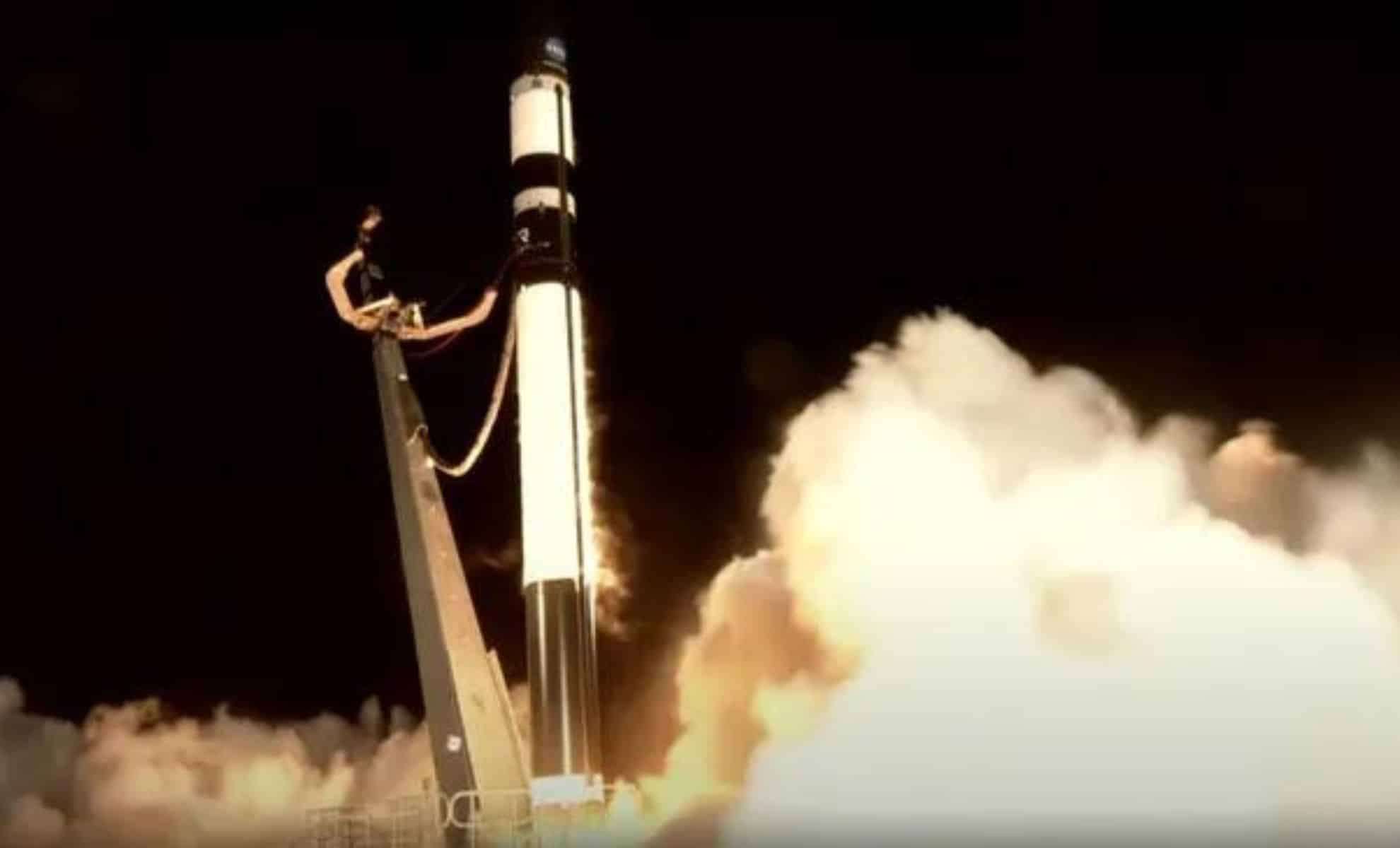
Rocket Lab achieved a successful deployment of a NASA cubesat early on May 25, 2024, as part of the Polar Radiant Energy in the Far-InfraRed Experiment (PREFIRE).
This initiative seeks to quantify heat emission from Earth's polar zones, offering vital insights that will enhance climate models and deepen our grasp of global warming effects.
Overview of the PREFIRE Project
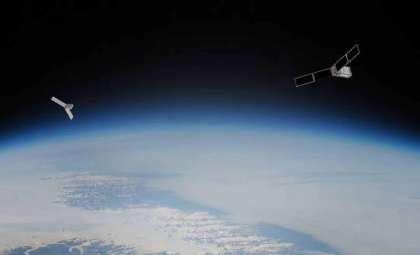
The PREFIRE project features two 6U cubesats engineered to measure thermal infrared radiation from Earth’s polar regions. This kind of radiation, similar to the energy emitted by heat lamps, is key to analyzing how Earth sheds heat into space. The measurements will assist researchers in fine-tuning climate models and improving predictions of global warming outcomes.

Launch Information
At 3:41 a.m. EDT (7:41 p.m. local time), the Electron rocket lifted off from Rocket Lab’s launch complex in New Zealand, carrying the first of the two PREFIRE satellites. About 53 minutes later, the cubesat was successfully placed into a circular orbit around 326 miles above Earth. The companion PREFIRE satellite is planned for deployment within the next three weeks.
Known for its cost-effectiveness and reliability with small payloads, the Electron rocket was well-suited for the PREFIRE mission. This marked the 48th Electron launch, underscoring Rocket Lab’s expanding role in providing dedicated orbital access for small satellites.
Scientific Goals
PREFIRE’s primary scientific aim is to systematically track thermal infrared emission from polar areas from orbit. Polar regions, highly vulnerable to climate change, significantly influence Earth’s energy equilibrium. By accurately gauging heat loss in these zones, scientists can refine models that predict polar and overall climate trends.
Significance of the PREFIRE Endeavor
This mission holds critical importance for several reasons:
- Advancing Climate Science: The mission’s data will enhance knowledge of polar climate mechanisms and their global significance.
- Refining Predictive Tools: Precise measurements of polar heat emissions will improve climate model accuracy, enabling better forecasting.
- Informing Policy: Enhanced climate predictions could support policy-making and planning efforts to address climate adaptation and mitigation.
Data generated by PREFIRE will deepen the scientific community’s understanding of polar interactions within Earth's climate system, crucial for developing effective climate action strategies worldwide.
Role of Rocket Lab’s Electron Vehicle
Rocket Lab’s Electron rocket continues to demonstrate its value in small satellite launches, fulfilling a key role in this mission. This 48th launch highlights Rocket Lab’s capability to reliably provide tailored orbital services for scientific satellites. The successful satellite deployment marks a pivotal step, enabling the cubesat instruments to begin monitoring polar thermal infrared emissions and transmitting critical data to NASA for detailed study.
Collaboration and Prospects
The PREFIRE venture exemplifies a partnership between NASA and Rocket Lab, showcasing the power of international collaboration in tackling global challenges like climate change. Upcoming missions will expand on PREFIRE’s findings, further unraveling Earth’s complex climate processes and bolstering responses to environmental threats.
The mission’s success may open doors for future joint efforts between NASA and commercial aerospace firms, a crucial dynamic for advancing climate research and innovative technologies addressing environmental issues.
- Categories:
- Astronomy ,
- News ,
- Science ,
- Space ,
- Nasa





0 comments
Sign in to Comment