
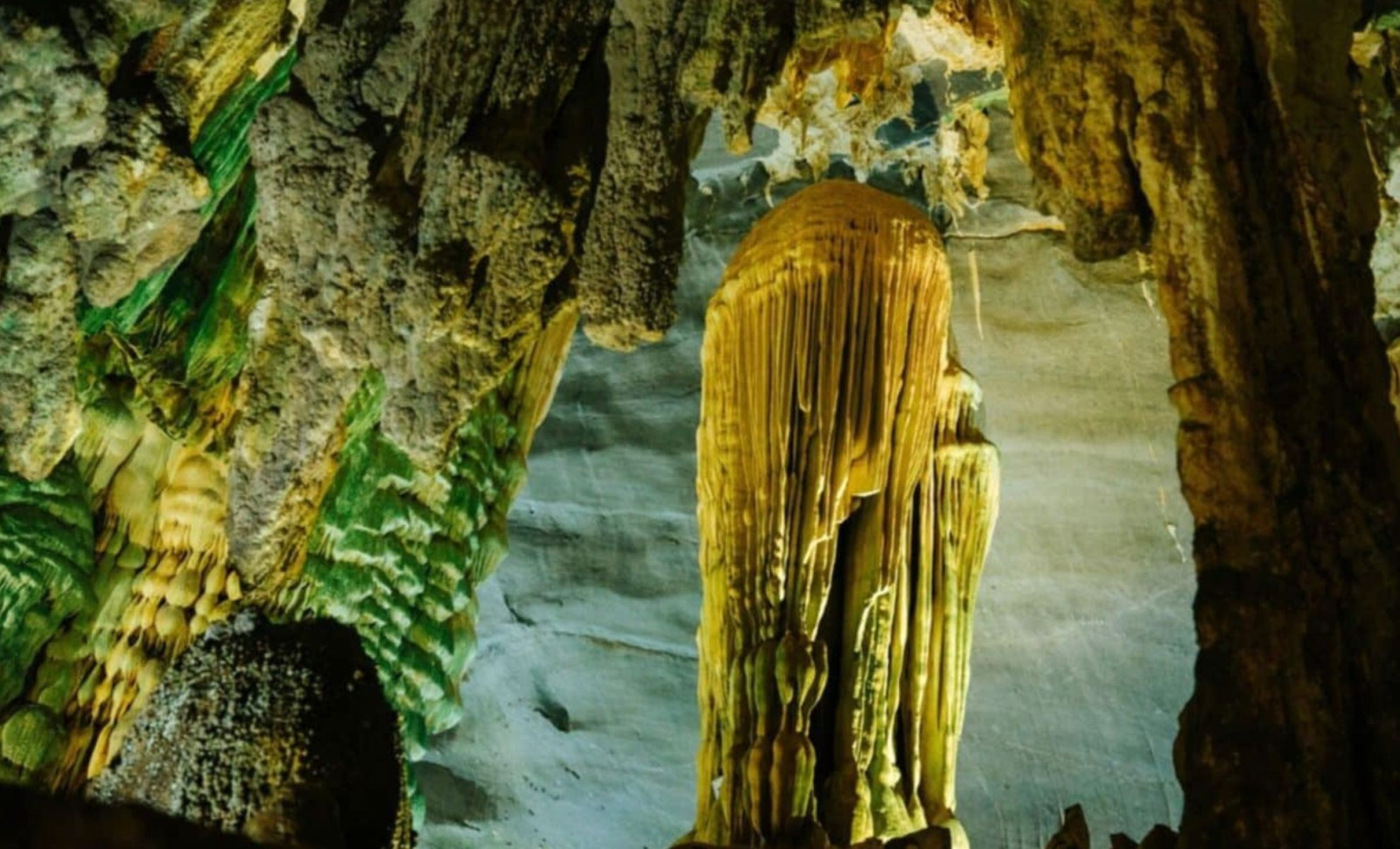
Researchers discovered over 80 see-through crustaceans inhabiting shallow water pools within a limestone cave located in Australia’s Northern Territory. These creatures measured nearly six millimetres long, which is notably large compared to others in their classification.
These crustaceans have been classified as a novel genus and species named Megabathynella totemensis, as detailed in a publication in the European Journal of Taxonomy. This discovery marks the first record of any species from the crustacean order Bathynellacea found within an Australian cave system.
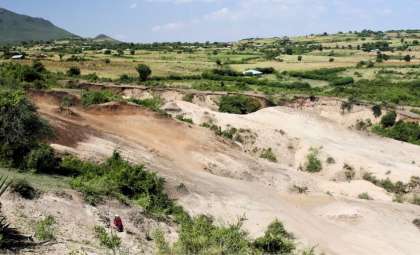
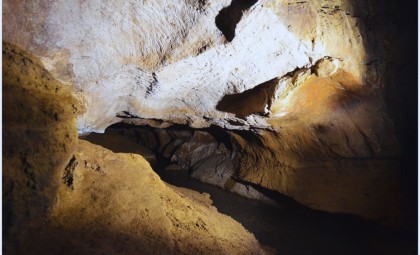
The specimens were sampled from Totem Pole Cave, part of the Pungalina karst region near the Gulf of Carpentaria, an area where limestone erosion has produced caves, sinkholes, and subterranean waterways. Scientists Ana I. Camacho, Kym M. Abrams, and Tim Moulds confirmed these animals did not match any existing genus in the family Parabathynellidae.

The most notable distinction was their claw count, with M. totemensis possessing up to 11 claws, whereas most related species have only seven.
A Distinct Genus Characterized by Almost Double the Claw Number
The increased claw number justified designating a completely new genus instead of simply defining a new species within an existing one. While most family members have seven claws, M. totemensis has as many as 11.
Some species in the genus Billibathynella approach this count with up to 10 claws, yet seven claws remain typical across the family. This represents about a 57 percent increase in claw number compared to their relatives.
The genus name Megabathynella is derived from the Greek term megas, meaning large, while the species name totemensis honors Totem Pole Cave, the site of the initial discovery.
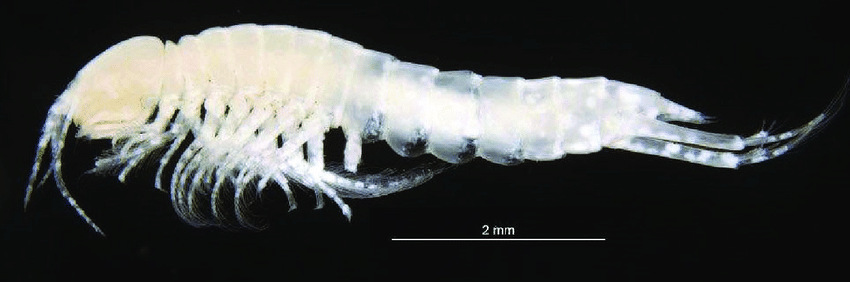
The order Bathynellacea includes tiny, eyeless crustaceans living in subterranean waters and caves. Often classified with other stygofauna due to their dependence on underground aquatic habitats, they are usually just a few millimetres long, making M. totemensis unusually large.
Typically, specimens measure only one to two millimetres long. The research defines species over 4 mm as giant and those between 2.5 and 4 mm as large, so at nearly six millimetres, M. totemensis comfortably exceeds the giant size threshold.
Adaptations for Life in Complete Darkness
These crustaceans have segmented bodies featuring protruding teeth and enlarged spines along the thorax’s inner wall, traits visible under laboratory microscopy.
Their translucent bodies reflect adaptation to aphotic zones—environments completely devoid of light, where pigmentation typically diminishes over generations since it offers no benefit.
Their antennules consist of over 12 segments, with each segment beyond the fifth sporting a short, curved, barbed bristle. Such fine anatomical characteristics are key in differentiating closely related subterranean species.
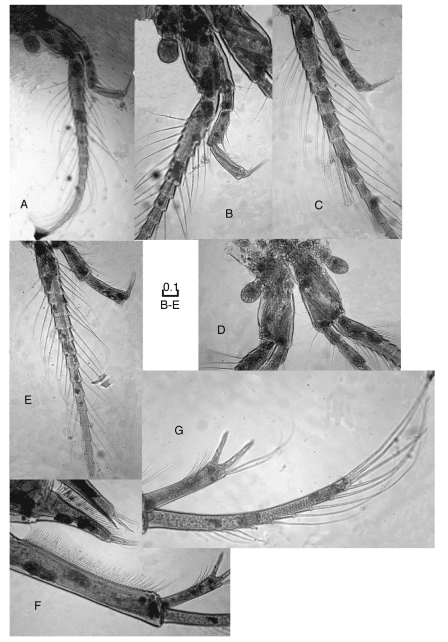
Additional distinctive features include the exopod of the thoracopods, the swimming and feeding limbs, which contains up to 17 segments, each bearing a sturdy spine at the base of its outer bristle.
A male reproductive organ known as thoracopod VIII displays structural differences unseen in any other member of the family. Despite these unique traits, M. totemensis shares close affinities with other giant cave and groundwater species such as Asia’s Kampucheabathynella and Australia’s Billibathynella and Brevisomabathynella.
Worldwide Presence of Large Cave-Dwelling Crustaceans
This finding aligns with a global trend: giant and large Bathynellacea species have been identified on every continent, according to the research.
Prior discoveries in Australia documented large species in groundwater aquifers of Western Australia and Queensland, but none had been reported inside caves.
Totem Pole Cave represents the country’s inaugural record of a large-bodied Bathynellacea species inhabiting a cave environment.
Scientists anticipate that expanding exploration of Australia’s caves and aquifers will uncover more species, as many karst systems and underground waters remain poorly studied for microscopic crustacean populations.
The authors emphasize that further investigations are likely to reveal many undescribed species, both within Australia and internationally. The over 80 individuals found in Totem Pole Cave were essentially unnoticed before, effectively "hidden in plain sight."
- Categories:
- Science


0 comments
Sign in to Comment