
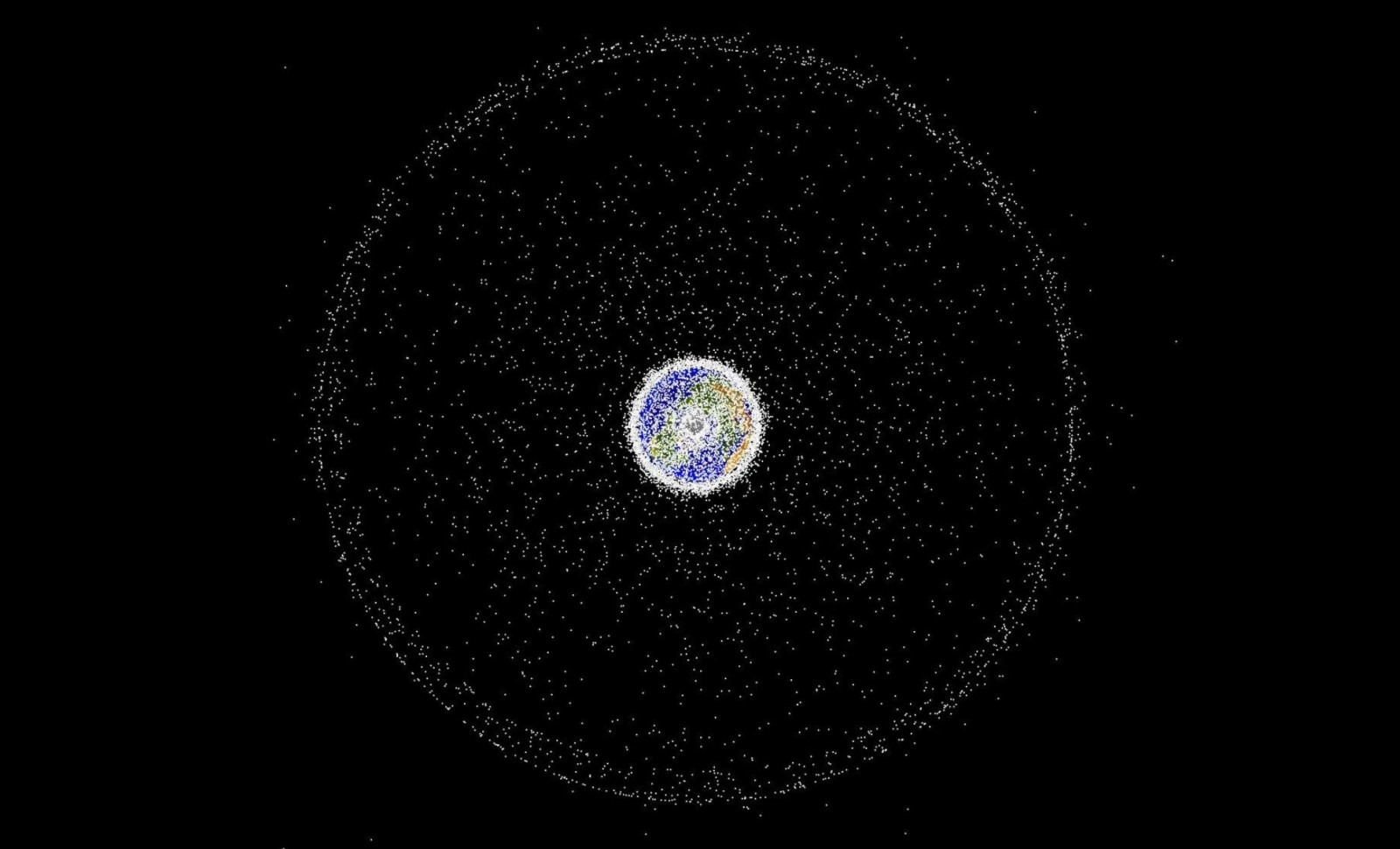
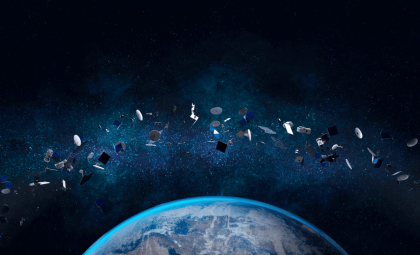
Scientists have identified fragments of space debris as small as 5 centimeters orbiting in geosynchronous space, uncovering a previously undetectable population that poses risks to satellites responsible for telecommunications, broadcasting, weather monitoring, and environmental observations. Published in the Journal of the Astronautical Sciences, the study demonstrates how cutting-edge image processing can reveal debris too faint for traditional detection methods.
Small Debris Lurks 36,000 Kilometers Above Earth's Surface
This research zeroed in on the geosynchronous orbit region, located about 36,000 kilometers above the equator, where satellites synchronize with Earth’s rotation. This zone includes the geostationary belt, where many essential satellites operate daily. Unlike debris in lower Earth orbits that eventually deorbit due to atmospheric drag, particles in geosynchronous space can persist indefinitely. Their distance also renders smaller bits extremely faint and challenging for ground-based telescopes to spot, complicating efforts to fully catalogue hazardous objects in this orbit.
Led by the University of Warwick, the team revisited archival telescope data applying novel processing techniques that isolate extremely weak signals amid noise. They detected debris down to an estimated size of 5 centimeters, marking some of the tiniest known fragments observable at these altitudes. This approach suggests that refining data analysis software could uncover hidden debris populations without the need for building entirely new observational platforms.

Why a Small Piece of Debris Can Endanger Satellites
The threat posed by orbital debris isn’t just about size: velocity plays a critical role. Even small fragments can pack enough kinetic energy at high relative speeds to seriously damage satellite systems. Dr. James Blake, the study’s lead author from Warwick’s Centre for Space Domain Awareness, noted: “Objects can collide at speeds of several kilometers per second, releasing tremendous energy. This means tiny debris has the potential to inflict serious harm on costly satellites, so small objects are significant risks.” Because the geostationary belt contains valuable operational satellites serving millions, this hazard demands attention.
Impacts from debris could impair solar arrays, antennas, sensors, thrusters, or other essential satellite components. Collisions might not outright destroy satellites but can reduce their lifespan or generate further debris, worsening space congestion. Detecting smaller fragments is therefore vital to comprehending the orbital environment and protecting spacecraft longevity.
Innovative Data Processing Uncovered Previously Missed Debris
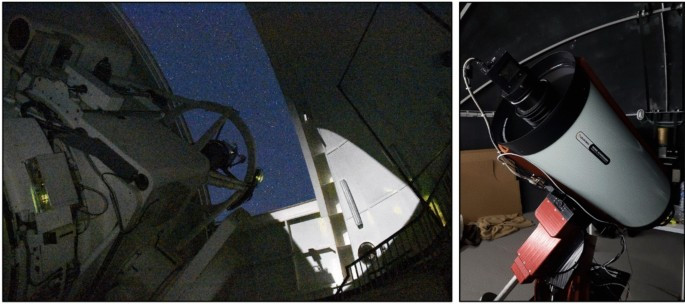
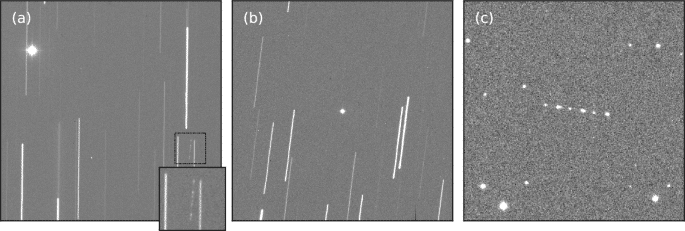
The team analyzed older observations from the 2.54-meter Isaac Newton Telescope in La Palma, Canary Islands, pushing beyond original detection limits by applying a technique called blind stacking. This approach explores many possible paths that an unseen object could traverse across sequential images, combining pixel data along these trajectories to amplify faint signals above noise.
Using this method, the researchers found 25 additional debris objects that previous analyses overlooked. They also studied brightness variations over time, revealing that many fragments were rotating in space, causing fluctuating light patterns as their orientation shifted relative to the telescope and sunlight. As described in the Journal of the Astronautical Sciences, these insights go beyond counting debris—they provide understanding of how fragments behave and evolve after breaking apart.
Majority of Faint Debris Is Absent from Public Listings
A striking discovery was that almost 80% of the faint debris detected were missing from publicly accessible satellite catalogs. This gap reveals the limits of existing tracking systems in cataloging small, faint objects. While public lists are critical for monitoring orbital traffic, they cannot include objects that fall below surveillance sensitivity thresholds. Smaller debris particles are especially difficult to track continuously, increasing uncertainty. Although not all unlisted fragments immediately threaten satellites, these findings emphasize the need for improved detection to accurately assess collision risks and better understand orbital dynamics.
Expanding the Search Through Global Collaboration
Efforts now extend beyond a single telescope site, incorporating multiple large observatories worldwide to enhance coverage of the global orbital environment. Professor Will Feline, senior principal scientist at the UK Defence Science and Technology Laboratory, highlighted the collaborative nature of this work: “Following initial surveys, the initiative expanded by involving large telescopes in Australia and Japan, alongside experts from the Australian National University and the Japan Aerospace Exploration Agency (JAXA), leveraging their technical skills.”
“This underscores the value of international cooperation in tackling global challenges like space domain awareness and showcases the UK’s strong academic contributions supporting national defense.”
Observatories spaced thousands of kilometers apart offer complementary observational perspectives and broader geographic reach. Partnerships among academic institutions, government labs, space agencies, and observatories combine knowledge in astronomy, orbital mechanics, image processing, and surveillance. The Warwick team aims to incorporate data from more telescopes internationally, applying their methods to reveal additional debris currently beyond detection limits.
- Categories:
- News






0 comments
Sign in to Comment