
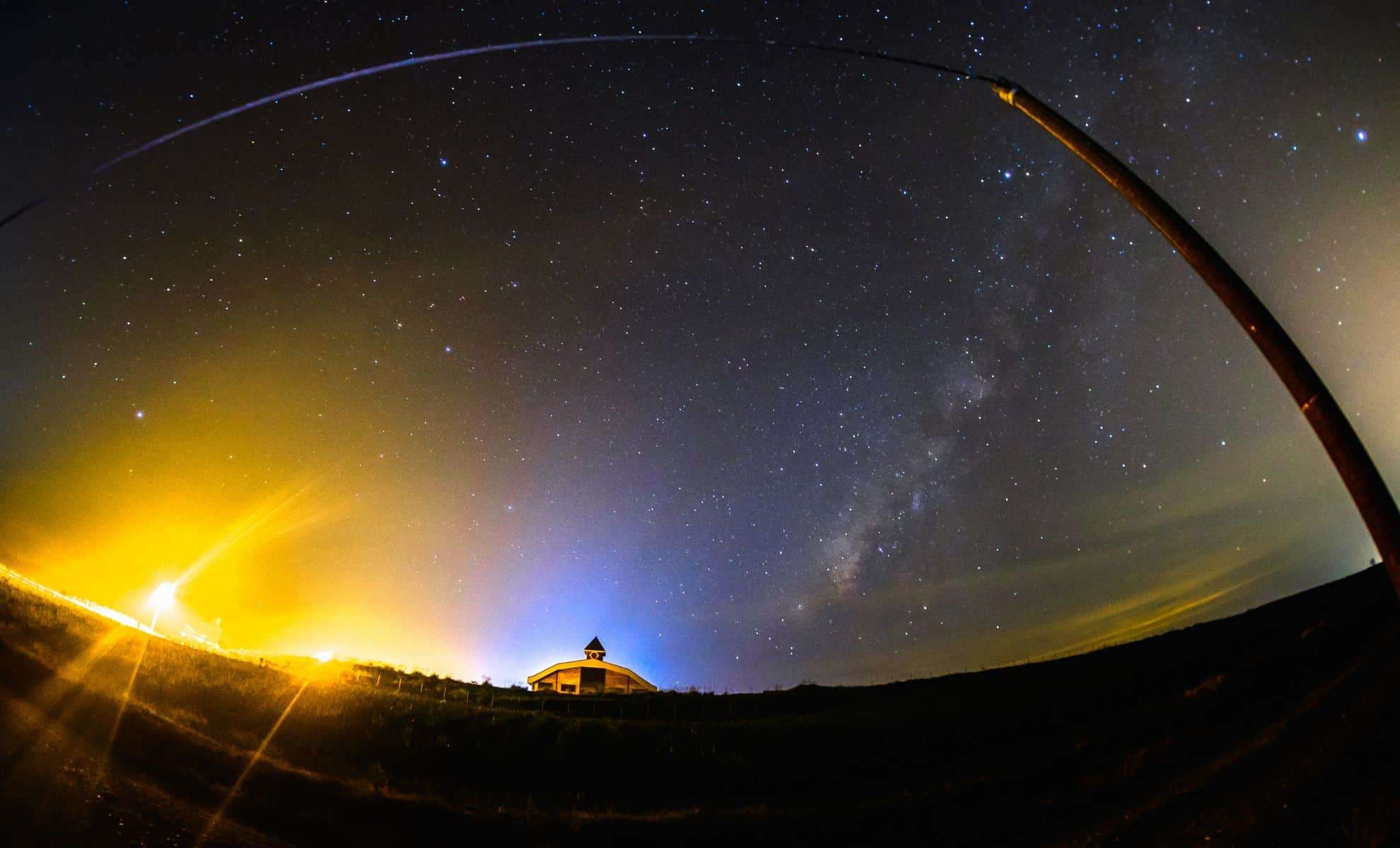
Russia is moving swiftly to establish its own satellite internet system as a direct competitor to Elon Musk’s Starlink. Dmitry Bakanov, the newly appointed director of Roscosmos, Russia’s space agency, revealed these plans during an interview with Russian TV presenter Vladimir Solovyov, according to a Reuters report dated September 17, 2025.
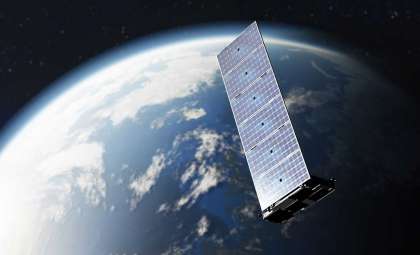
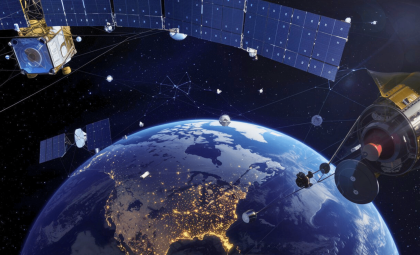
Bakanov explained that Russia is rapidly advancing efforts to create a satellite constellation comparable to SpaceX’s extensive network. Currently, Starlink operates with more than 8,000 satellites, delivering internet access even to politically sensitive and remote regions such as Ukraine. This has placed significant impetus on Russia to strengthen its presence in satellite communication technology.
Competing with an Established Giant
Despite Russia's ambitious goals, substantial obstacles lie ahead in its effort to match Starlink’s capabilities. The SpaceX system already boasts over 4,000 satellites in orbit, whereas Russia's project is still in its infancy. To close this gap, Russia will have to accelerate satellite launches while addressing considerable technical challenges and securing substantial financial backing for an expansive space-based communication structure.

Many experts question if Russia can achieve the same degree of operational scale and technical advancement. SpaceX has committed billions of dollars to building and enhancing its satellite network. Although Roscosmos possesses significant expertise in space, replicating such a mature and sophisticated network demands continuous innovation and heavy investment in research and development.
The Role of Bureau 1440 in Russia’s Ambitions
A central figure in Russia's satellite internet aspirations is Bureau 1440, a Russian aerospace firm building its own constellation of low Earth orbit satellites. Their objective is to deliver global broadband connectivity, challenging Starlink’s worldwide reach. Bakanov emphasized that "Several test satellites already in orbit have been reviewed, with production models adjusted accordingly. Progress is moving rapidly in this area."
This initiative reflects Russia’s strategic aim to achieve technological sovereignty, especially as Starlink has become a vital communication tool in conflict zones such as Ukraine.
Bakanov also referenced lessons learned from Russia’s earlier underestimation of Elon Musk’s vision, recalling how Musk's initial plans to acquire missile launch capabilities for space ventures were originally met with doubt. This misjudgment allowed SpaceX to revolutionize satellite launches and challenge Russia’s dominance in the space launch market.
Historical Context and Current Obstacles
Russia’s space heritage is remarkable, from the 1957 launch of Sputnik 1, the planet’s first artificial satellite, to Yuri Gagarin’s pioneering 1961 spaceflight. Yet, post-Soviet challenges like funding shortfalls, corruption, and organizational issues have impeded advancement. A notable recent failure was the 2023 crash of the uncrewed Luna-25 mission attempting a lunar landing, contrasting sharply with the earlier Soviet space triumphs.
Despite these difficulties, Russia remains committed to reasserting its status in space exploration. Its satellite internet project is a key component of this effort, aiming to carve out a new leadership role in global satellite technology. Although Russia's rapid progress signals determination, whether it can seriously contest SpaceX’s prevailing influence in satellite communications is yet to be seen.
- Categories:
- News








0 comments
Sign in to Comment