
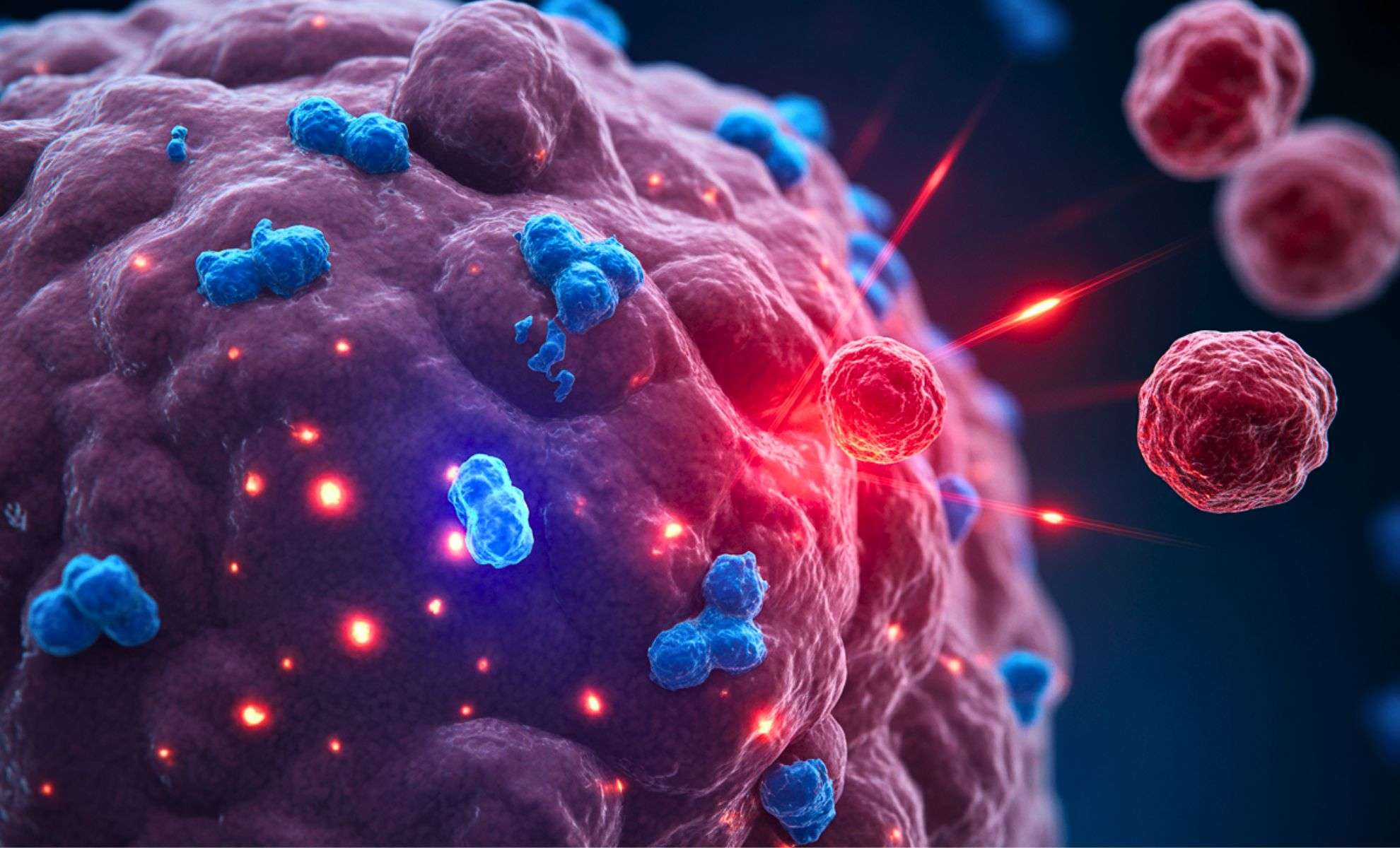
Researchers at Yale University and Google DeepMind have made a notable breakthrough in understanding why certain cancers evade immune detection. By utilizing a novel artificial intelligence model that deciphers the cellular language of gene expression, the team identified a drug that may expose these elusive tumors to the immune system.
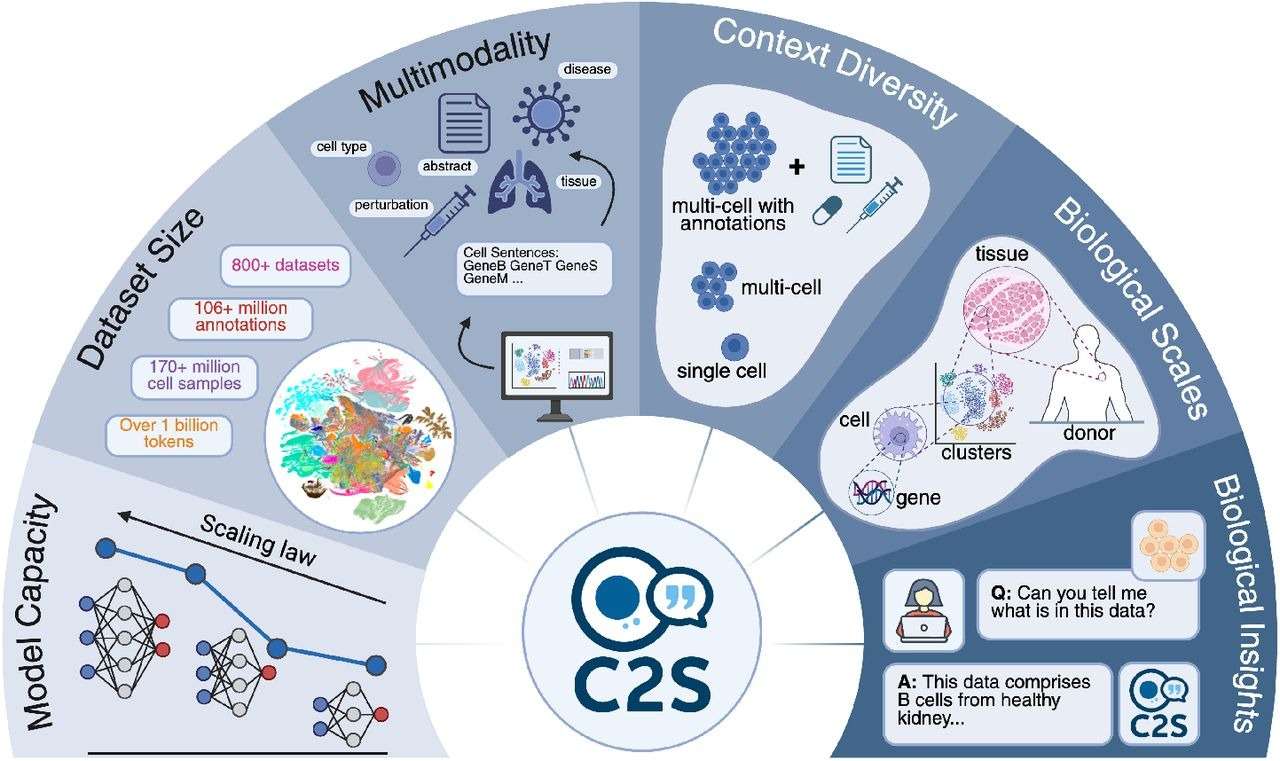
The key tool in this discovery is an advanced large language model named C2S-Scale. Unlike traditional models trained on human language, this neural network with 27 billion parameters was developed using more than a billion transcriptomic datasets, scientific literature, and annotations from over 50 million human and mouse cells. It operates under the Cell2Sentence framework, interpreting the complex signaling inside individual cells.
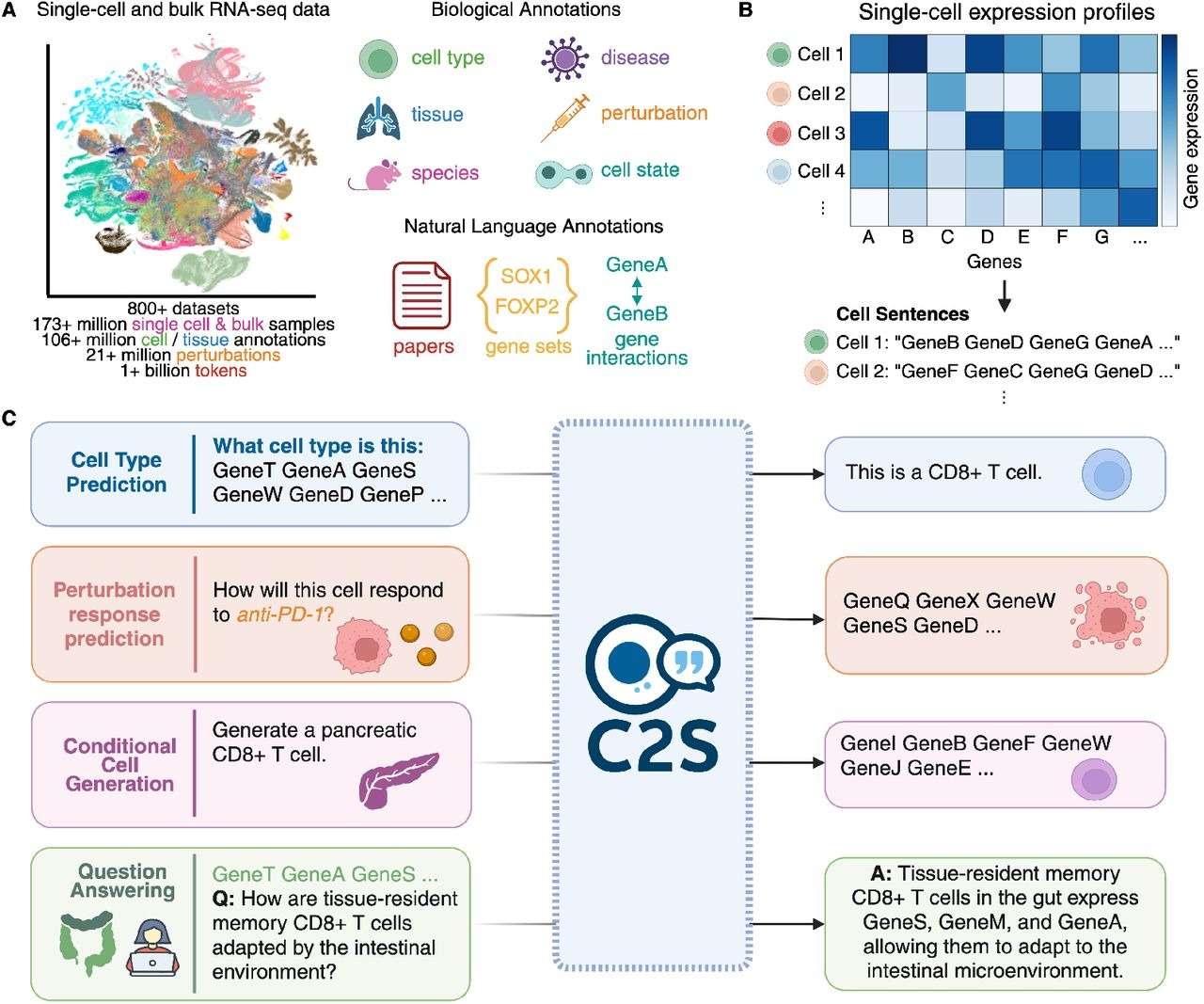
What sets this achievement apart is not just the immense scale of the model, but its ability to predict, without any prior biological assumptions or laboratory guidance, that an existing cancer medication could reveal hidden tumors to the body's immune defenses. Crucially, this prediction was experimentally validated in live human cell lines.

Why Some Tumors Evade Immune Surveillance
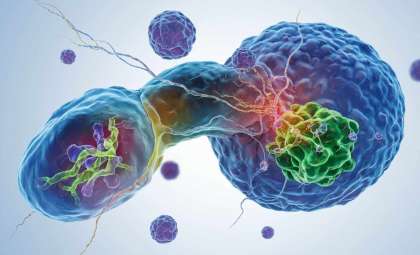
While immunotherapies have transformed cancer treatment by boosting the body’s ability to attack malignant cells, they often fail against so-called “cold” tumors. These tumors lack sufficient antigen markers, which are needed for recognition by immune T cells, effectively allowing them to stay under the immune system’s radar.
This immune invisibility has challenged scientists to develop methods to “warm up” these tumors—enhancing their antigen presentation so that they become detectable without harming healthy tissues.
Traditional drug screening requires immense resources and often hits roadblocks. The use of AI to model cellular responses at a large scale offers a promising shortcut to accelerate discovery.
An Innovative Approach to Machine Learning
C2S-Scale doesn't decipher human language per se but interprets the molecular 'language' of gene expression patterns within cells. It converts snapshots of gene activity, known as the transcriptome, into what researchers describe as “cell sentences.”
As detailed in a bioRxiv preprint, the model simulated the effects of over 4,000 drugs on malignant and healthy cells within a comprehensive virtual environment representing both diseased and normal biological states for direct comparison.
Among the candidates, silmitasertib (also called CX-4945), a kinase inhibitor with a history of tumor growth suppression studies, was predicted by C2S-Scale to boost antigen display on cold tumors, potentially enabling their recognition and elimination by T cells.
Validating the AI’s Forecast
To test this, the team conducted lab experiments on human cell cultures unknown to the AI. They noted a substantial 50% increase in antigen presentation when treated with silmitasertib, indicating the drug could turn cold tumors into ones vulnerable to immune therapies.
Led by Shekoofeh Azizi of Google DeepMind and David van Dijk from Yale, this work highlights an AI’s rare feat—not only analyzing biological data but also proposing and experimentally confirming a novel biological hypothesis. Azizi called this achievement “hard-won” and emphasized the model’s potential to transform discovery in fields where traditional research is slow, in a LinkedIn statement.
Significantly, silmitasertib is already well-studied and has undergone clinical trials for cancers such as cholangiocarcinoma, suggesting the possibility for faster drug repurposing compared to newly developed medicines.
Looking Forward
Next steps involve testing this drug in living organisms—starting with animal studies before progressing to human trials. This discovery represents just one example of how AI models like C2S-Scale could revolutionize biomedical research by moving from data analysis to hypothesis generation and experimental validation.
Moreover, the model paves the way toward creating detailed “virtual cells”: computational replicas of biological systems that could enable faster, safer simulation of treatments, toxicity screening, and drug combination assessments, dramatically accelerating the pace of discovery.
- Categories:
- Science










0 comments
Sign in to Comment