
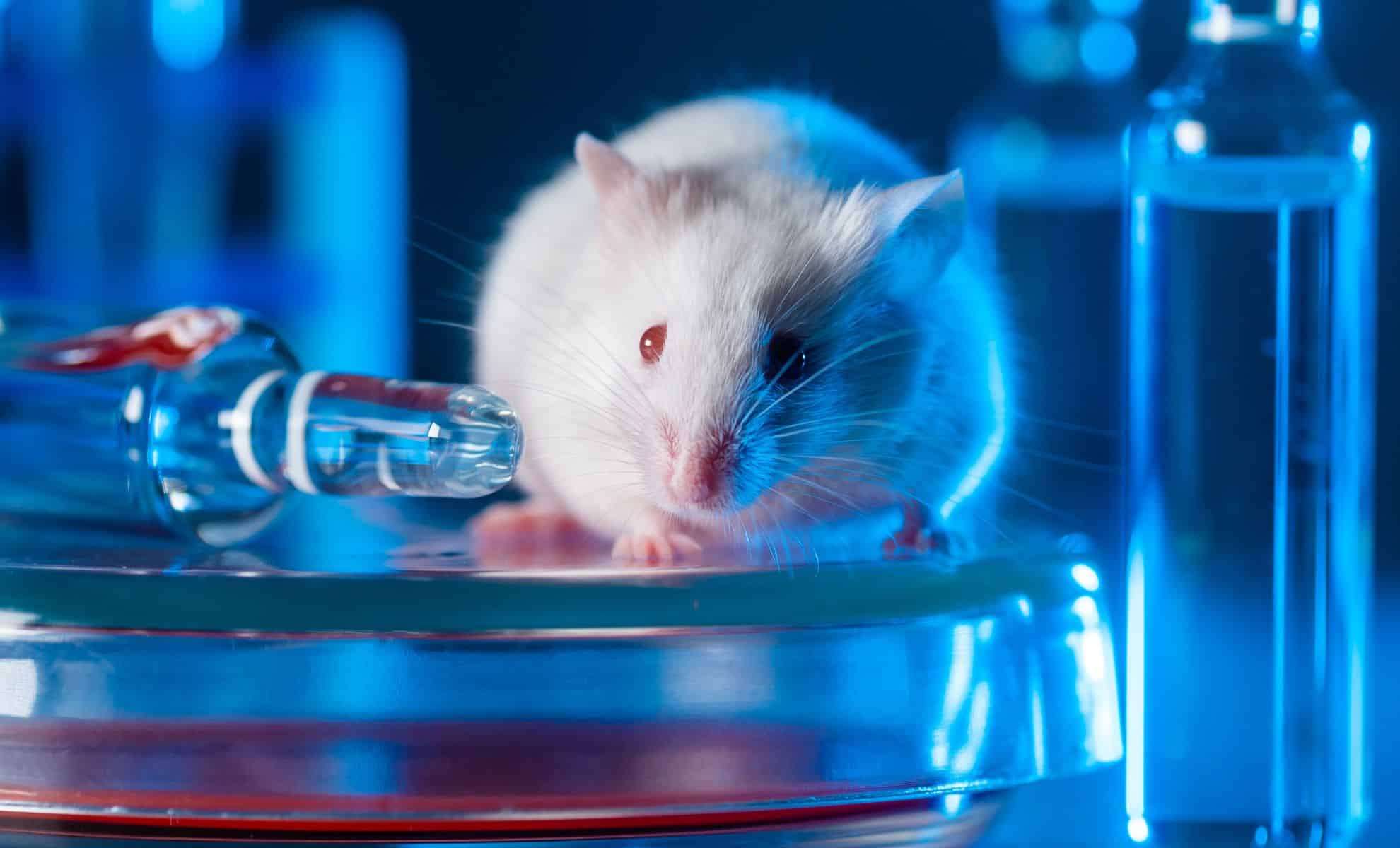
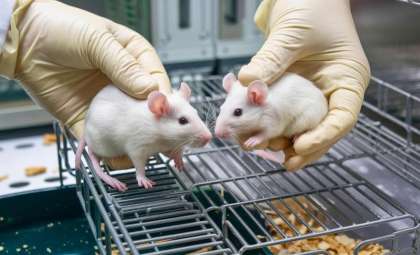
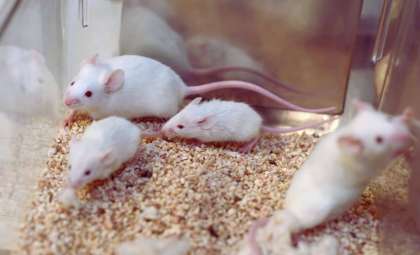
For decades, researchers have aimed to decelerate the aging process. A recent breakthrough from the Max Planck Institute for Biology of Ageing in Cologne reveals that a pair of medications, traditionally used in cancer therapy, can significantly prolong the lives of mice by up to 30%. These promising results hint at potential new avenues for treating aging and age-associated ailments in humans.
An unexpected drug pairing
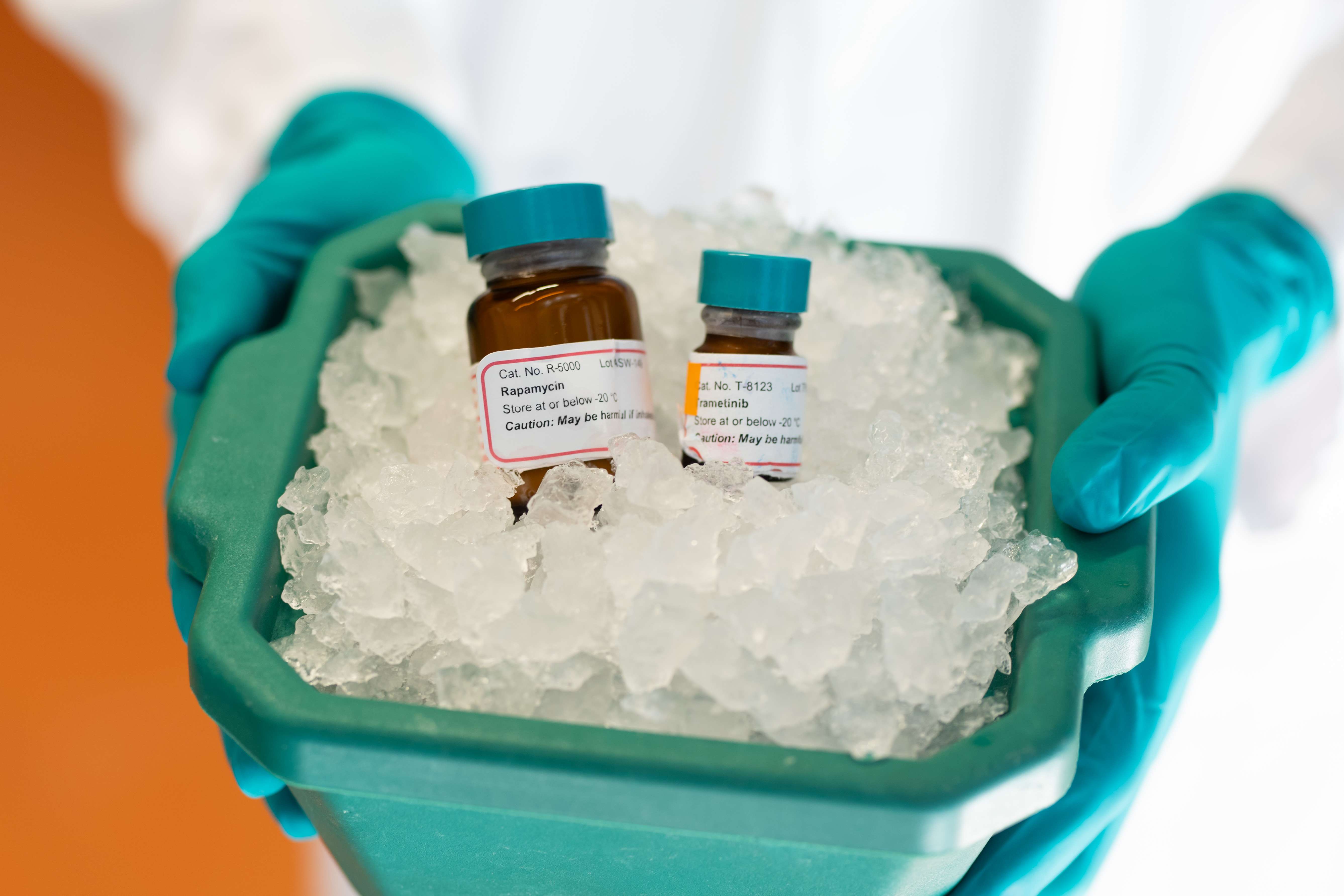
The study focuses on the combination of rapamycin and trametinib. Rapamycin, known for its immunosuppressive properties, helps prevent organ rejection, while trametinib is an FDA-sanctioned drug targeting melanoma and has previously demonstrated lifespan benefits in fruit flies. This research marks the first attempt to evaluate the synergistic effects of these drugs on mammalian aging.
The combined treatment yielded remarkable increases in longevity, with female mice living 35% longer and males 26% longer. Individually, rapamycin extended life by roughly 17 to 18% and trametinib contributed an additional 7 to 16%. Notably, the dual therapy not only extended lifespan but also enhanced health markers, reducing chronic inflammation, suppressing cancer development, and maintaining physical fitness in aging mice.

Mechanism behind the effect
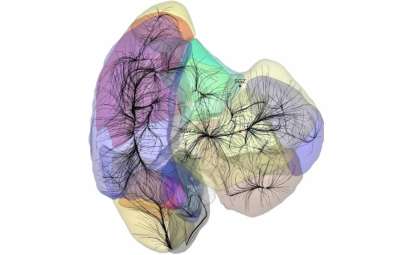
The drugs target distinct, yet interconnected, pathways within the Ras/Insulin/TOR signaling network, vital in aging and cancer development. Rapamycin suppresses mTOR, a protein involved in controlling metabolism, cell growth, and aging. Trametinib inhibits components of the RAS/MEK/ERK cascade, which regulates cancer cell growth and inflammation. By simultaneously modulating these pathways, the drug duo appears to generate a stronger anti-aging impact than either could achieve solo.
Gene expression studies in treated mice detected unique molecular changes only present when both drugs were combined, highlighting their complementary effects and signaling a promising route for future anti-aging interventions.
Prospects for human application
Although the mouse results are encouraging, experts urge caution in expecting similar effects in humans. Linda Partridge, a geneticist at University College London and senior researcher on the project, emphasized that “while such extensive lifespan extensions in people are unlikely, these treatments may promote healthier aging and delay disease onset.”
Since both rapamycin and trametinib have FDA approval for cancer treatment, the transition to human trials could advance quickly. Rapamycin is already being tested for other health benefits, including fertility preservation in perimenopausal women. Should these drugs prove effective together in humans, they could herald a new era of geroprotective therapies aimed at enhancing quality of life in older adults.
Currently, researchers are concentrating on optimizing treatment regimens and evaluating long-term safety in mice before progressing further. While the findings offer exciting possibilities, more investigation is needed to verify benefits beyond the lab.
- Categories:
- Science







0 comments
Sign in to Comment