
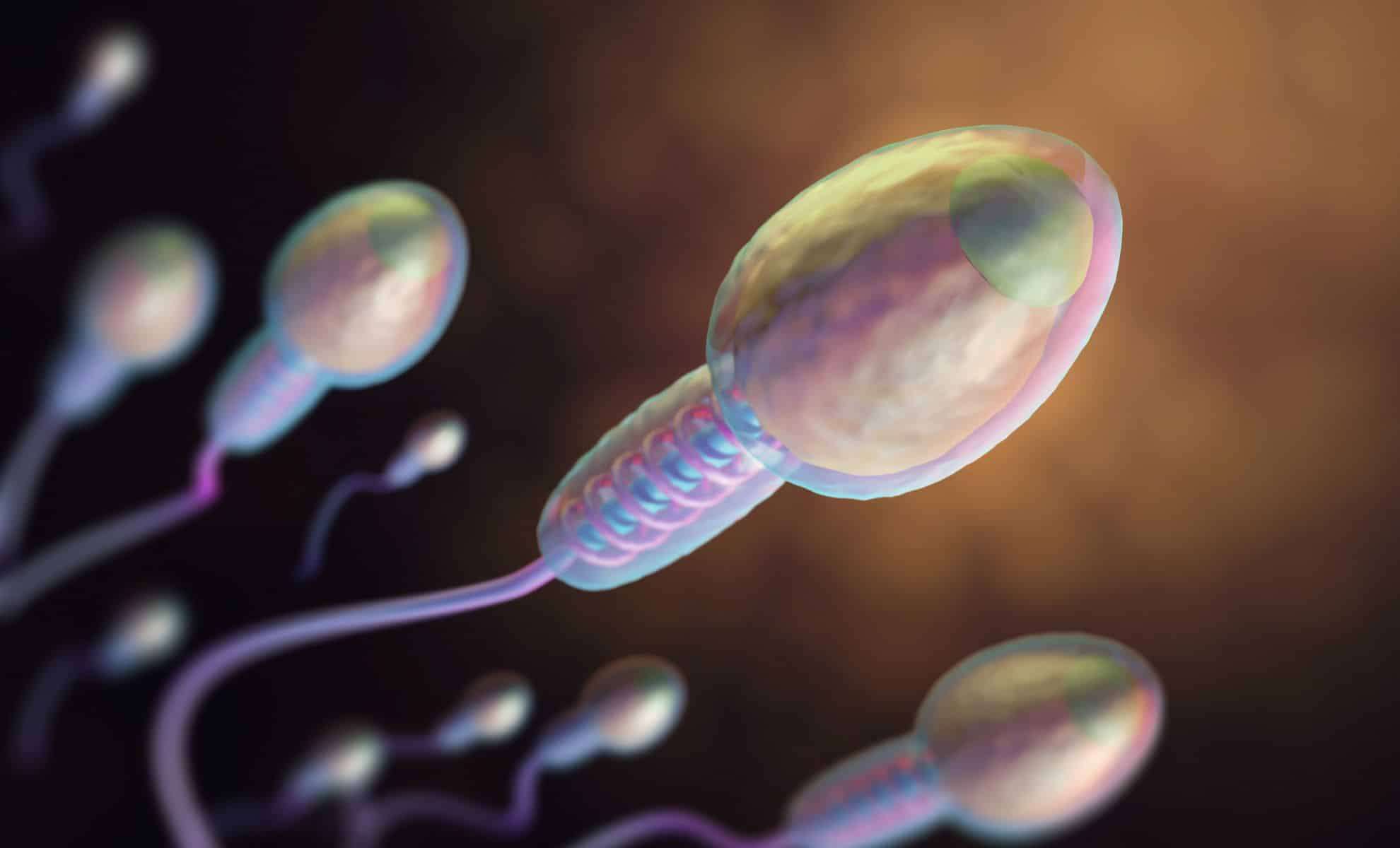
Sperm cells have captivated scientists, not only for their essential function in reproduction but also for their extraordinary ability to maneuver through highly resistant fluids within the human body. A new publication in PRX Life poses a thought-provoking question: do sperm truly obey the fundamental laws of physics? Their findings suggest the reality is far more nuanced than previously believed.
Understanding Movement in Thick Liquids
We usually associate swimming with moving through water, a fluid with relatively low resistance. Now imagine a sperm cell navigating a viscous substance, something akin to honey. Ordinarily, such thick environments would exhaust the swimmer's energy and stop progress. Yet, sperm cells glide through these dense fluids, seemingly ignoring physical forces that would typically impede movement.
A research group led by Kenta Ishimoto from Kyoto University explored the physical processes enabling this unusual locomotion. Their results challenge the long-standing Newton’s Third Law of Motion, a foundational concept in physics.

Defying Newton’s Third Law
Newton’s third law declares that every force has an equal and opposite counterforce, governing phenomena from planetary orbits to simple pushes against solid objects. In swimming animals, it implies that fluid resistance should provide a counterforce against motion, slowing the swimmer down in thicker fluids.
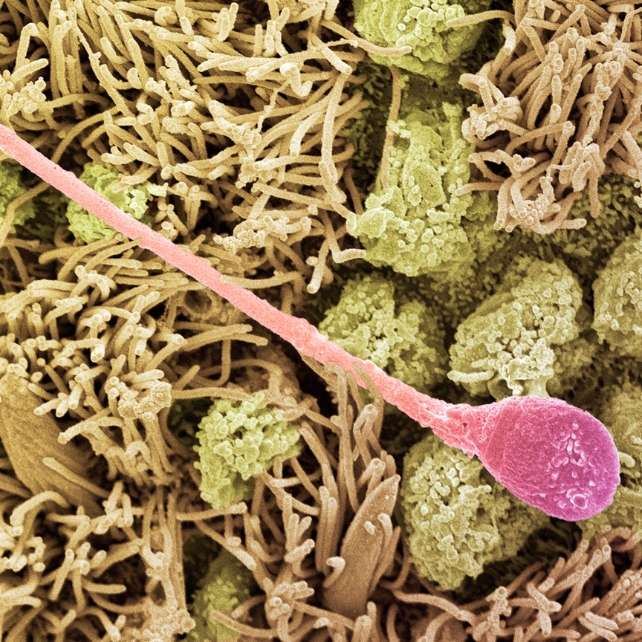
Contrary to this expectation, sperm cells exhibit movement that sidesteps this reaction. Their flexible flagella (tails) move in a non-reciprocal way, producing thrust without facing the standard opposing force from the fluid. This unique interaction enables forward motion while minimizing energy loss.
Introducing Odd Elasticity
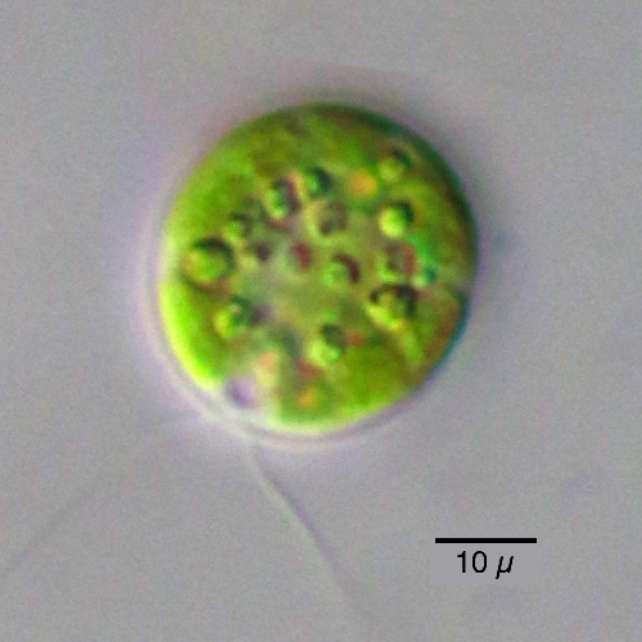
The secret to this counterintuitive movement lies in a phenomenon called odd elasticity. Ishimoto’s team proposed this concept to clarify how microscopic swimmers like sperm and Chlamydomonas algae efficiently swim through viscous media. Essentially, odd elasticity refers to the specialized bending of the flagellum that elicits propulsion without triggering the normal fluid resistance.
Envision the swimmer’s tail creating waves that are asymmetric, avoiding the usual equal and opposite reaction expected from the surrounding fluid. This mechanism enables the sperm to traverse thick fluids with very little hindrance, unlike most objects that would slow drastically.
Broader Implications of These Findings
Grasping the concept of odd elasticity has ramifications beyond just sperm cell biology. It could guide the engineering of tiny biomimetic robots that replicate these efficient swimming techniques. Insights from these microscopic swimmers could revolutionize fields such as healthcare, environmental sensing, and even space technology.
Moreover, this research suggests that other complex systems—like groups of animals or human crowds—might exhibit force dynamics not yet fully understood. Studying these unusual physical interactions could unlock new perspectives on how forces operate within living communities.
- Categories:
- Science











0 comments
Sign in to Comment