
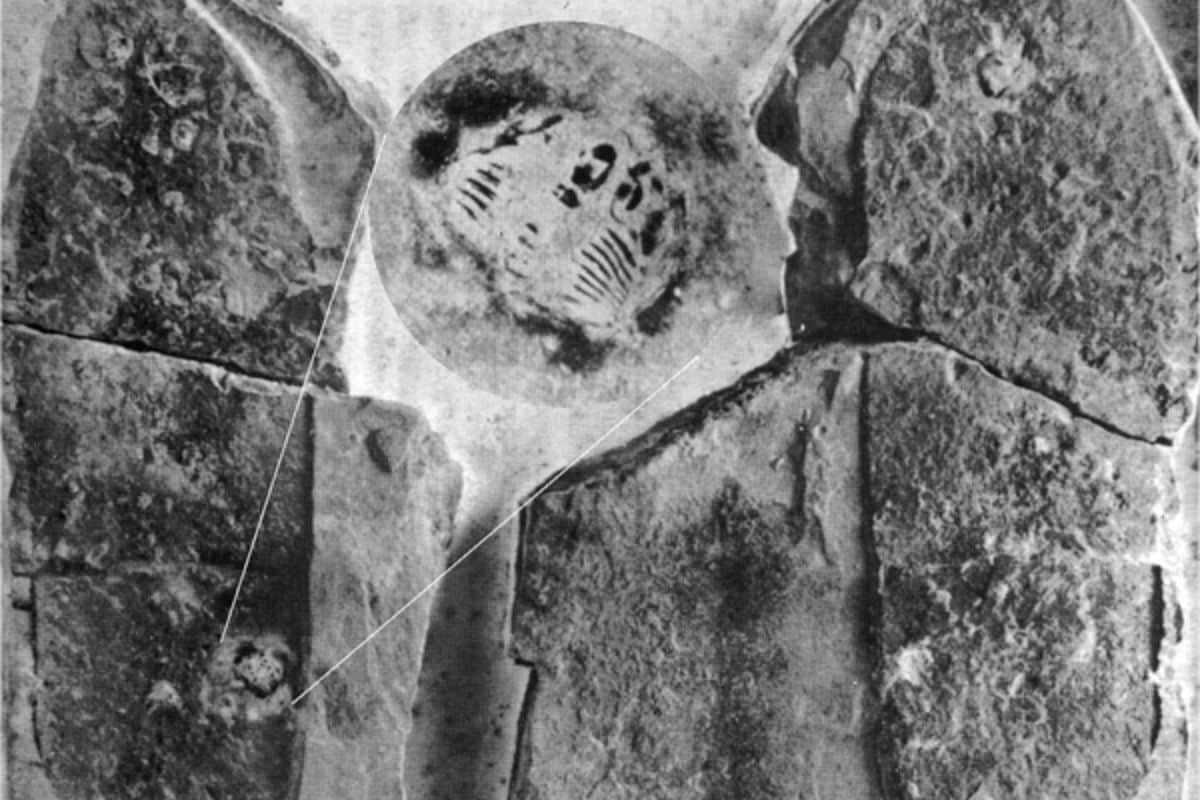
More than fifty years after its discovery in Antelope Springs, Utah, a curious find still provokes debate among scientists. In 1968, fossil enthusiast William J. Meister reported uncovering what looks remarkably like a human footprint preserved in stone.
The Mysterious Meister Footprint and Trilobite Puzzle
This footprint, estimated to measure about a US men’s size 13 shoe (approximately 3.5 inches wide and 10.25 inches long), astonished explorers and scholars due to its seemingly impossible age. If authentic, it suggests a human or human-like entity stepped onto a living trilobite long before modern humans appeared on Earth.
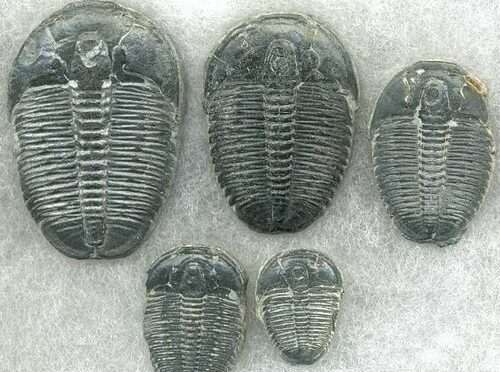
Trilobites are extinct marine arthropods related to crabs and shrimp, which vanished well before any hominid species evolved. The idea that footwear-wearing beings existed during the Cambrian era clashes drastically with established evolutionary science.

As highlighted in a report, the print was publicly revealed in 1973 at a creation versus evolution discussion at California State University, Sacramento. Reverend Boswell, representing creationists, proclaimed: “I possess an artifact that basically invalidates the entire geological timeline. It’s undergone review by three international labs and passed all tests.”
“These layers date back to the Cambrian, around 500 million years ago, long before humans walked the Earth,” Boswell emphasized.
Scientific Skepticism Meets Creationist Claims
Though the discovery generated media excitement and public intrigue, most scientists dismissed the footprint as a natural rock formation misidentified as a human trace. James Madsen, curator at the University of Utah's Museum of Earth Science, stated bluntly:
“There were no men 600 million years ago. Neither were there monkeys or bears or ground sloths to make pseudo-human tracks. What man-thing could possibly have been walking about on this planet before vertebrates even evolved?”
After geologists largely rejected the claim, Meister contacted The Deseret News, which brought the fossil to wider attention. One geologist reportedly offered Meister $250,000 for the specimen.
Additional Curious Prints From Antelope Springs
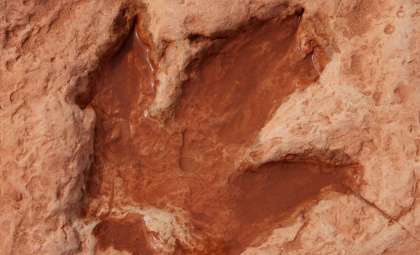
Shortly following Meister’s discovery, Dr. Clifford Burdick, a consulting geologist from Tucson, Arizona, found what looked like a child’s barefoot imprint in shale nearby. Measuring about six inches in length, the print showcased spread toes and no arch, typical of a young child who had never worn shoes.
Burdick described the geological features supporting the footprint’s authenticity: “The rock fractured near the toes before the footprint fossil was discovered. Examining the cross-section, the rock’s fine layers stand out distinctly. Where the toes pressed into the soft substrate, the layers bend downward, indicating a weight pressed into mud at the time.”
A Fossil Wrapped in Mystery
Whether a geological trick, a rare natural phenomenon, or genuine evidence suggesting an alternative history of humanity, the Meister footprint remains an enigmatic artifact. While calls grow louder for detailed scientific review, some see it as a stark reminder of how revolutionary evidence might be overlooked or suppressed.
- Categories:
- Science







0 comments
Sign in to Comment