

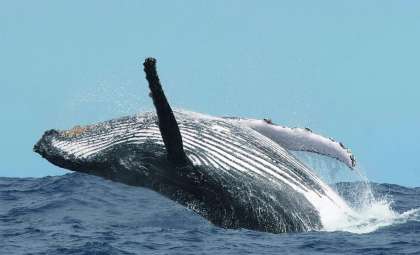
In a remarkable 20-minute interaction with a humpback whale named Twain, researchers have reached a new frontier in marine communication. Conducted near the Alaskan coast, this event was made possible through the use of cutting-edge artificial intelligence (AI), opening fresh perspectives on oceanic life and inspiring novel ideas in the quest for alien intelligence.
Leading the effort, Dr. Brenda McCowan and her team at the University of California, Davis, utilized advanced underwater recording devices paired with machine learning techniques to decode and imitate the vocal patterns of humpback whales. Twain’s response exceeded expectations, displaying structured, conversation-like replies that paralleled elements of human dialogue.
Advanced Tools Closing the Communication Divide
This extraordinary breakthrough resulted from combining several state-of-the-art technologies:

- AI-powered pattern detection to interpret whale songs with precision.
- Specialized underwater microphones capturing subtle acoustic details.
- Complex linguistic algorithms identifying syntax and organized structures within whale vocalizations.
Initially developed to unravel whale song intricacies, this innovation has uncovered a sophisticated communication system that resembles a true language, complete with its own rules and grammar. This advances our ability to engage with non-human species on a deeper level.
Humpback Whales: Enigmatic Creatures of Remarkable Intellect
Known scientifically as Megaptera novaeangliae, humpback whales exhibit impressive cognitive skills and social complexity. Key traits include:
- Dimensions: Growing up to 60 feet long and weighing as much as 40 tons.
- Migration Patterns: Traveling extensive distances exceeding 5,000 miles between feeding and breeding zones.
- Vocal Complexity: Producing multifaceted songs lasting up to half an hour.
Twain’s engagement in this exchange confirms that these majestic mammals demonstrate remarkable intelligence, possibly even matching human cognitive abilities in certain areas.
Implications for Discovering Alien Communication
This milestone holds significant potential beyond our oceans. Dr. Laurance Doyle of the SETI Institute views it as a vital step toward learning how to identify and interpret signs of intelligence across species—and potentially beyond Earth.
Scientists are exploring parallels between whale communication and hypothetical extraterrestrial signals by focusing on:
- Non-verbal cues such as the use of bubble rings by whales.
- Enhanced AI models capable of assessing communication intricacies.
- Searching for structural correspondences between whale songs and alien message theories.
By unlocking the secrets of whale language, researchers aim to enhance techniques for detecting intelligent transmissions from space, reshaping our understanding of life's cosmic context.
Ethical Considerations in Communicating with Wildlife
Establishing communication channels with whales prompts vital ethical reflections about human intervention in natural systems.
Is It Right to Intervene?
Some experts warn that initiating contact could inadvertently disturb animal behaviors, disturbing their social order or migration routines, as discussed in related studies. Human involvement might lead to ecological imbalances affecting entire ecosystems.
Conversely, understanding whale needs and warnings through this technology could transform conservation strategies, offering new tools to safeguard these intelligent beings and their environments.
The Ethical Challenges of AI Advancements
As AI fosters closer interactions with wildlife, society must carefully weigh who truly benefits from these innovations—humans or animals? Balancing discovery excitement with respect for natural integrity is essential.
Building a Future of Cross-Species Communication Networks
The interaction with Twain hints at a future where humans, animals, and AI form a collaborative multispecies communication network.
Envisioning a Collaborative Web
Such a system could revolutionize ecological protection by enabling species to alert humans about dangers like pollution or fishing hazards through AI translation of their signals. Multiple species contributing real-time environmental insights could create a harmonious network of mutual understanding.
Potential Pitfalls of Shared Networks
However, risks include misinterpreted messages or overdependence on AI leading to flawed judgments. There is also concern that technology might be used to avoid human responsibility in environmental care.
Despite these challenges, this innovative approach offers promising opportunities for coexistence and shared stewardship of our planet.
Reimagining Humanity’s Place in Nature
The successful conversation with Twain represents more than a scientific achievement—it signals a need to rethink humanity’s relationship with other beings. Connecting with non-human intelligence invites fresh collaboration chances but also demands thoughtful evaluation of technology usage.
As AI blurs the lines between human and animal communication, from decoding whale songs to anticipating alien encounters, it urges us to confront the ethical and practical questions of expanding our reach.
Are we prepared to responsibly cultivate a world where diverse intelligences thrive together? The possibilities are as wide and deep as the oceans. 🌌🐋
The complete research can be accessed in the journal PeerJ.
- Categories:
- Science












0 comments
Sign in to Comment