
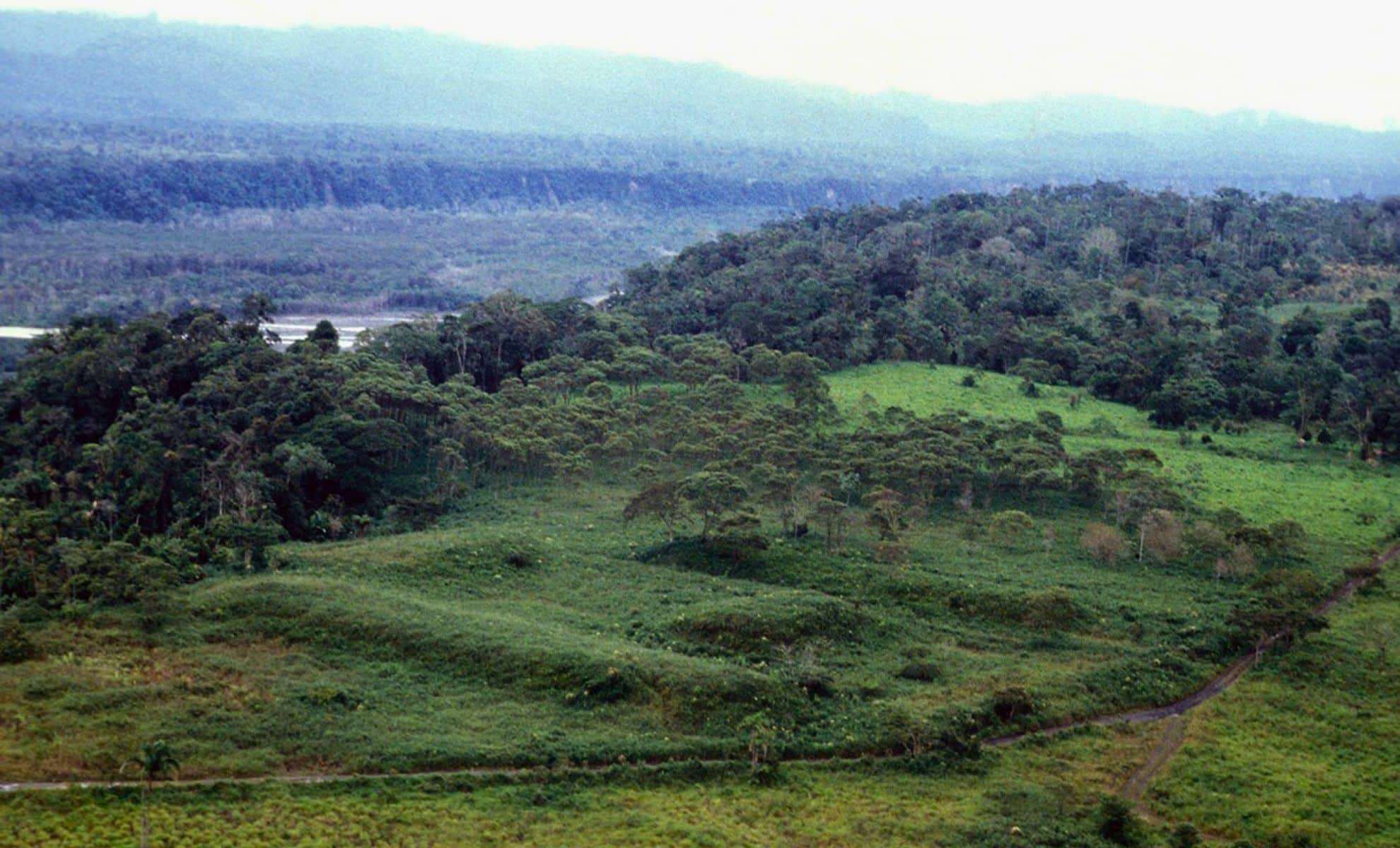
Long considered an untouched natural expanse, the Amazon rainforest has now been recognized as the site of sprawling ancient civilizations thanks to revolutionary Lidar technology. Recent discoveries reveal vast urban complexes in Ecuador’s Upano Valley that date back over 2,500 years, predating the Roman Empire.
These once-bustling cities, concealed beneath dense foliage, supported tens of thousands of inhabitants. Archaeologists have uncovered expansive road networks, ceremonial structures, and advanced agriculture systems, fundamentally revising our understanding of pre-Columbian Amazonian societies.
Unearthing a Forgotten Urban Landscape
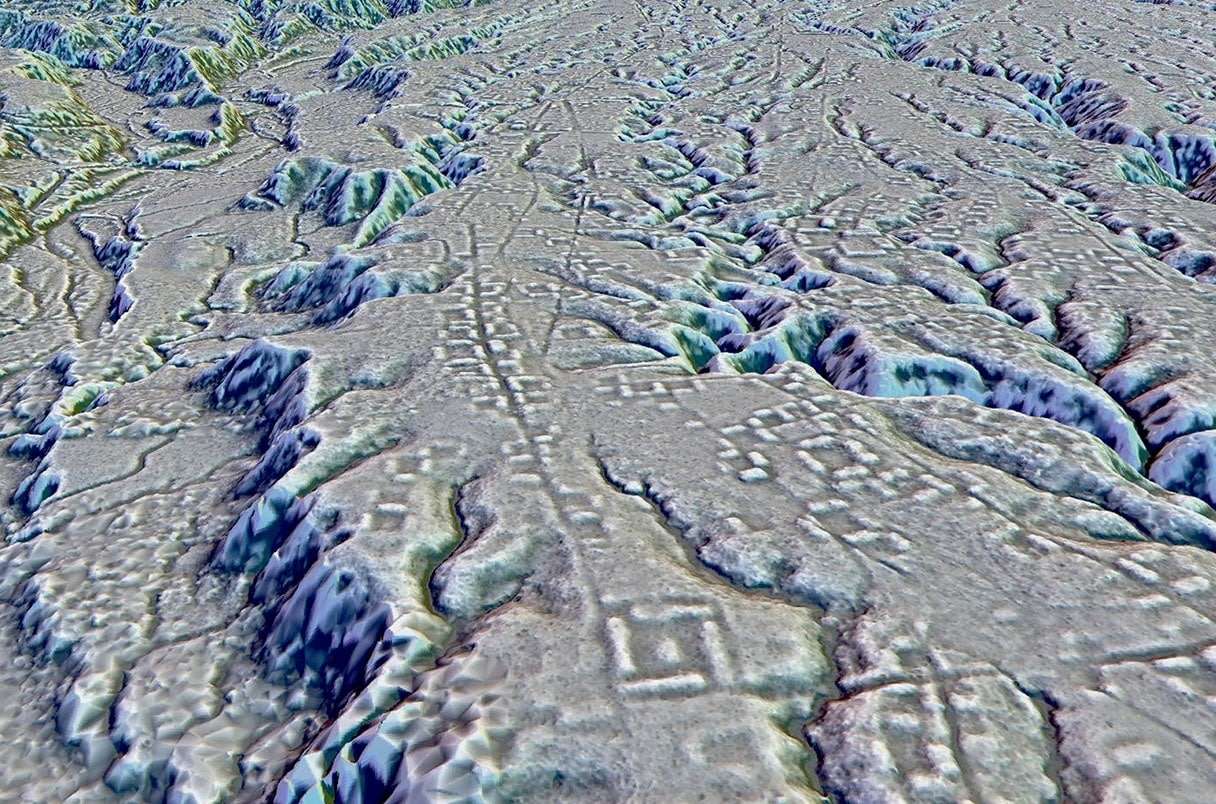
By deploying laser pulses capable of penetrating thick jungle canopies, researchers mapped a sophisticated city network covering 300 square kilometers. As detailed in a Science journal report, these settlements include five large urban centers and ten smaller communities that existed before Roman London.

Interconnecting highways extended over 12 miles, with widths up to 33 feet, indicating meticulous urban design. Central to these cities were towering earthen mounds thought to serve ceremonial or community purposes, highlighting complex social structures.
The presence of terraced farming equipped with ingenious drainage infrastructure points to sophisticated agricultural practices that sustained these populations.
Lead archaeologist Stéphen Rostain called this revelation a “lost valley of cities,” challenging long-held views of Amazonian history.
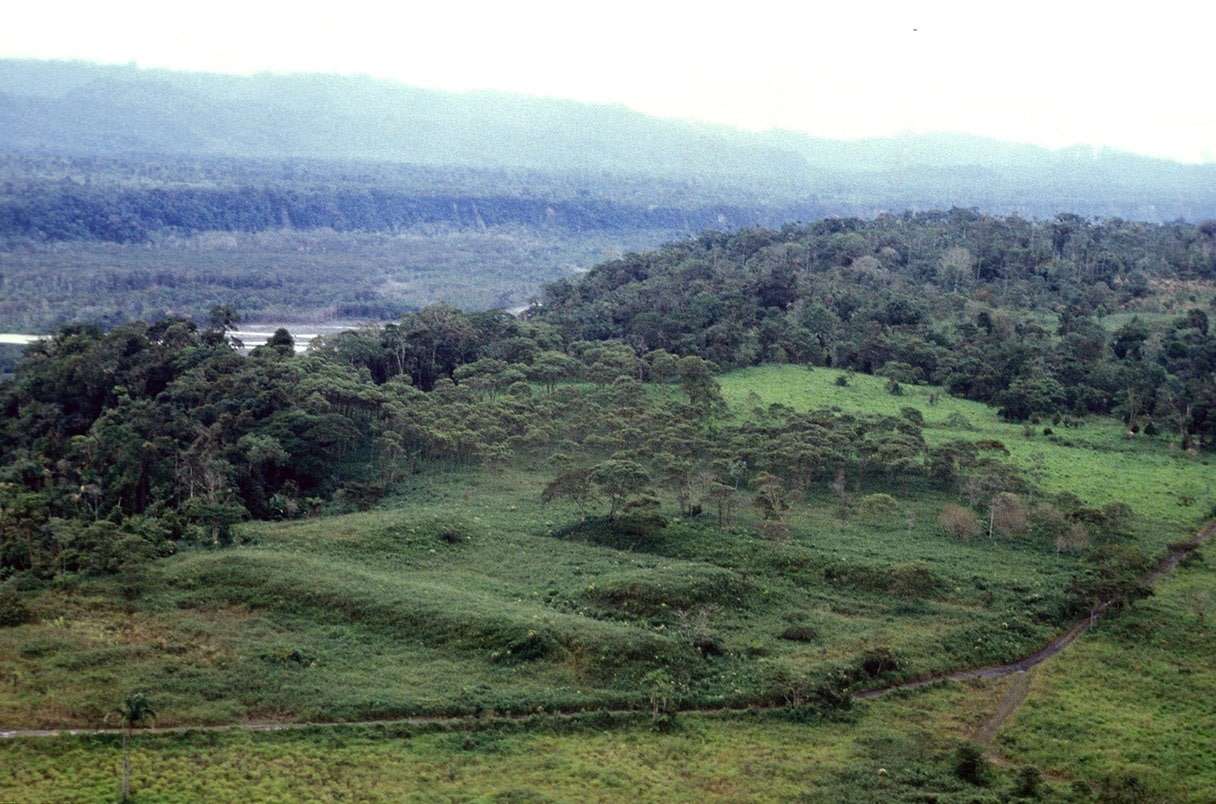
Daily Life in Ancient Amazonian Society
Far from being primitive, these communities crafted pottery, tools, and large vessels used to brew chicha, a traditional maize beer. Their advanced agricultural techniques involved cultivating maize, manioc, and sweet potatoes adapted to the rainforest environment.
At its height, the biggest city in this area might have housed up to 30,000 residents, rivaling the population sizes of ancient European centers. This scale reflects organized governance, trade, and coordinated communal labor.
Transforming Amazonian Archaeology Through Lidar
For many years, dense jungle cover concealed these archaeological treasures. Lidar technology, which creates detailed maps beneath the forest canopy, is now revolutionizing the study of Amazonian civilizations.
Each new survey adds to the growing proof that the Amazon was historically home to many advanced societies, not merely scattered groups.
Similar breakthroughs in Bolivia and Brazil highlight a rich mosaic of cultures, each with distinct architectural and societal traits. “We say ‘Amazonia,’ but we should really say ‘Amazonias,’” states Rostain, emphasizing the region’s cultural diversity.
The Fate of the Upano Valley Civilization
Despite its sophistication, this ancient culture ultimately disappeared. Researchers are exploring reasons such as environmental shifts, disruptions in trade, and possible conflicts or epidemics.
Carla Jaimes Betancourt, an expert in Amazonian anthropology, emphasizes that “we’re only beginning to grasp how these urban centers operated” and the factors behind their decline.
Reframing the Amazon’s Significance
This extraordinary discovery goes beyond historical interest, highlighting the critical need to protect the Amazon rainforest. These ancient cities prove that the rainforest’s identity is as much cultural as it is ecological.
Archaeologist José Iriarte sums it up: “The Amazon is not merely wilderness; it was a cradle of civilization.”
- Categories:
- Science













0 comments
Sign in to Comment