
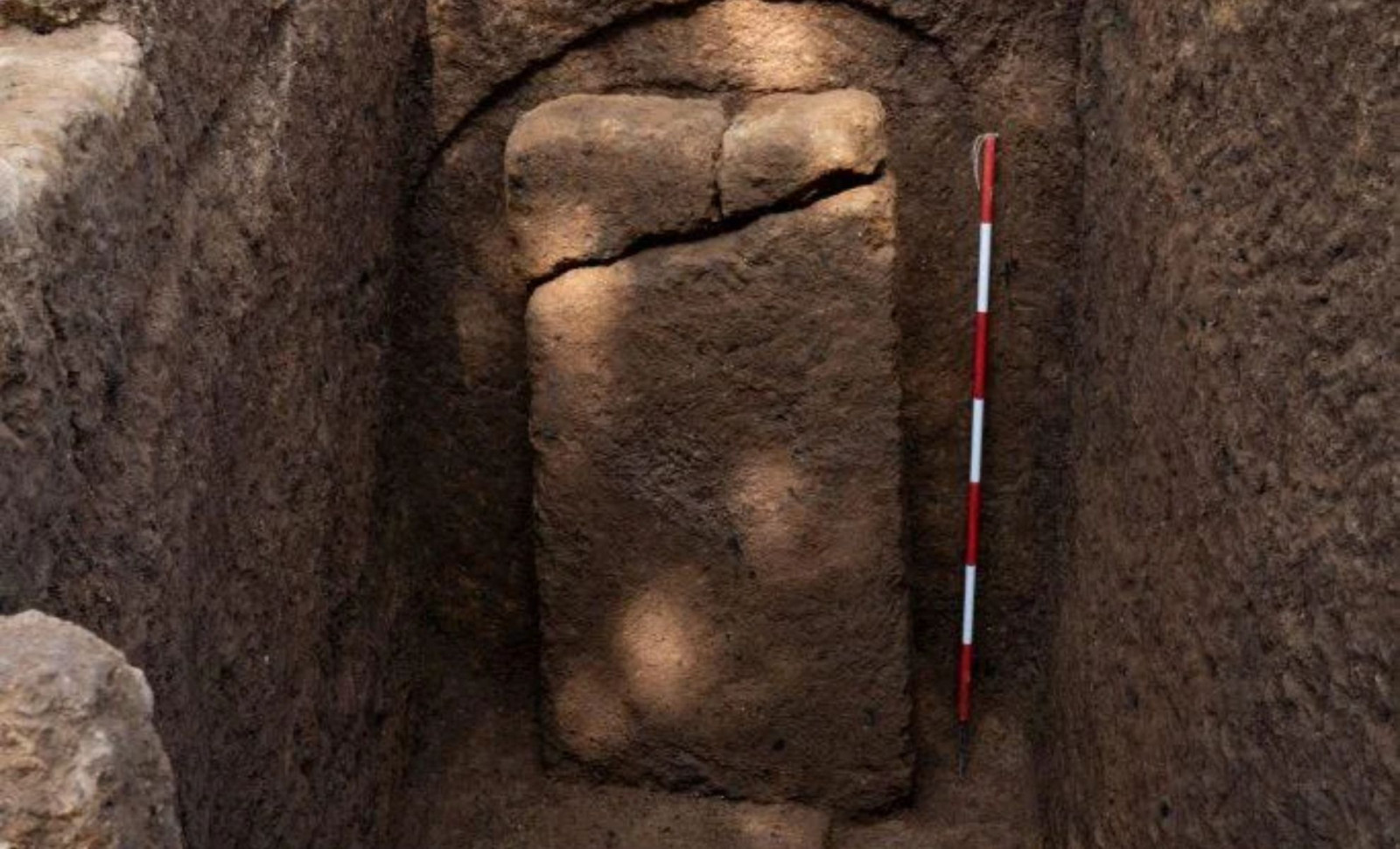
Near Rome, on the San Giuliano Plateau, a perfectly sealed Etruscan tomb dating back roughly 2,600 years has been discovered. Inside, specialists uncovered two human burials accompanied by ritual items still carefully arranged as originally placed.
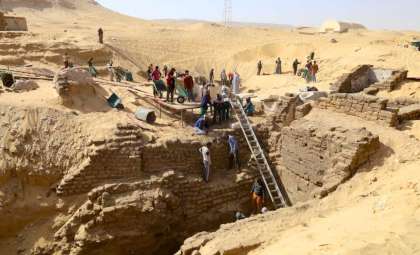
The San Giuliano Archaeological Research Project, which operates within a necropolis featuring over 600 rock-cut tombs, made the find. Remarkably, this burial chamber remained closed behind its original stone seal, showing no evidence of ancient robbery or later interference.
This excavation follows a significant 2025 discovery by the same team of another intact tomb located mere feet away. Given that many tombs in the area had been emptied in antiquity, these two untouched chambers provide an exceptionally well-preserved funerary context rarely seen in Etruscan archaeology.

Newly Found Tomb Near Previous Intact Chamber
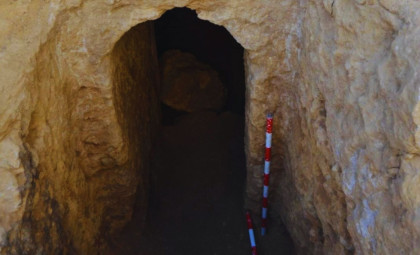
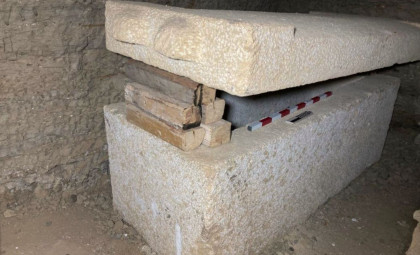
The recently uncovered chamber lies just a short distance from the 2025 find. The Superintendency for Archaeology, Fine Arts and Landscape of Southern Etruria reports that the entrance was still sealed with its original stone block, immediately indicating the grave had remained unopened since ancient times.
Upon entering, researchers described discovering “one of the richest funerary landscapes in southern Etruria,” consisting of skeletons and grave goods perfectly positioned.
Although San Giuliano is a prominent Etruscan necropolis with more than 600 tombs, the vast majority have been disturbed over the centuries. Tomb looting became especially frequent following the spread of Roman control in the late 3rd century B.C.E.
The Baylor University-affiliated research team emphasized that finding two intact tombs so close together offers a unique opportunity to deepen understanding of the necropolis’ original layout.
“The San Giuliano necropolis contains more than 500 tombs around the site, most of which were looted by illegal excavators, whether in antiquity or more recently. It is extremely rare to find an intact tomb. Hence the exceptional nature of this discovery,” Dr Barbara Barbaro said in the translated press release.
Undisturbed Burial Items and Human Remains
Within the tomb, researchers found the skeletal remains of two individuals and an assortment of funerary artifacts. A particularly striking object was a spearhead placed near one skeleton, which might indicate the individual’s gender, pending further research.
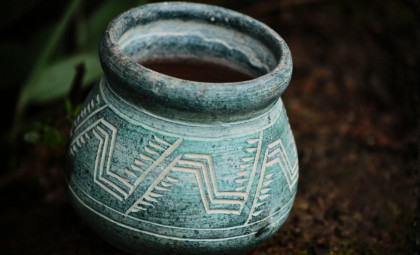
The burial also featured several pieces of pottery linked to traditional Etruscan funerary customs, including large storage jars called olle, polished black bucchero drinking vessels, and a small Greek aryballos used historically to hold oils or perfumes. The inclusion of the aryballos signals personal ritual elements and sheds light on cultural exchanges between the Etruscans and Greeks during that period. This blend of native and foreign items holds added significance given their untouched arrangement.
The undisturbed positioning of these objects provides a rare chance for scholars to study the original placement of offerings, an opportunity seldom encountered in Etruscan tombs, many of which were opened or emptied long ago.
Conserved Burial Site Offers Invaluable Insights
Having two sealed tombs close to one another supplies archaeologists with an important comparative resource, promoting a more holistic understanding of burial structures within a shared funerary environment.
The site coordinator noted that uncovering a second sealed tomb shortly after the first offers clear evidence of protective measures in the area. This highlights just how rare intact Etruscan burials are in this region.
“This is what happens when an untouched tomb is uncovered—it is a collective event. It is like the door to the tomb, once opened, forms a bridge to our past, a gateway to our ancestors. The silence… the awe, the respect for those who stayed waiting behind that great stone. The emotion,” Dr. Barbaro added.
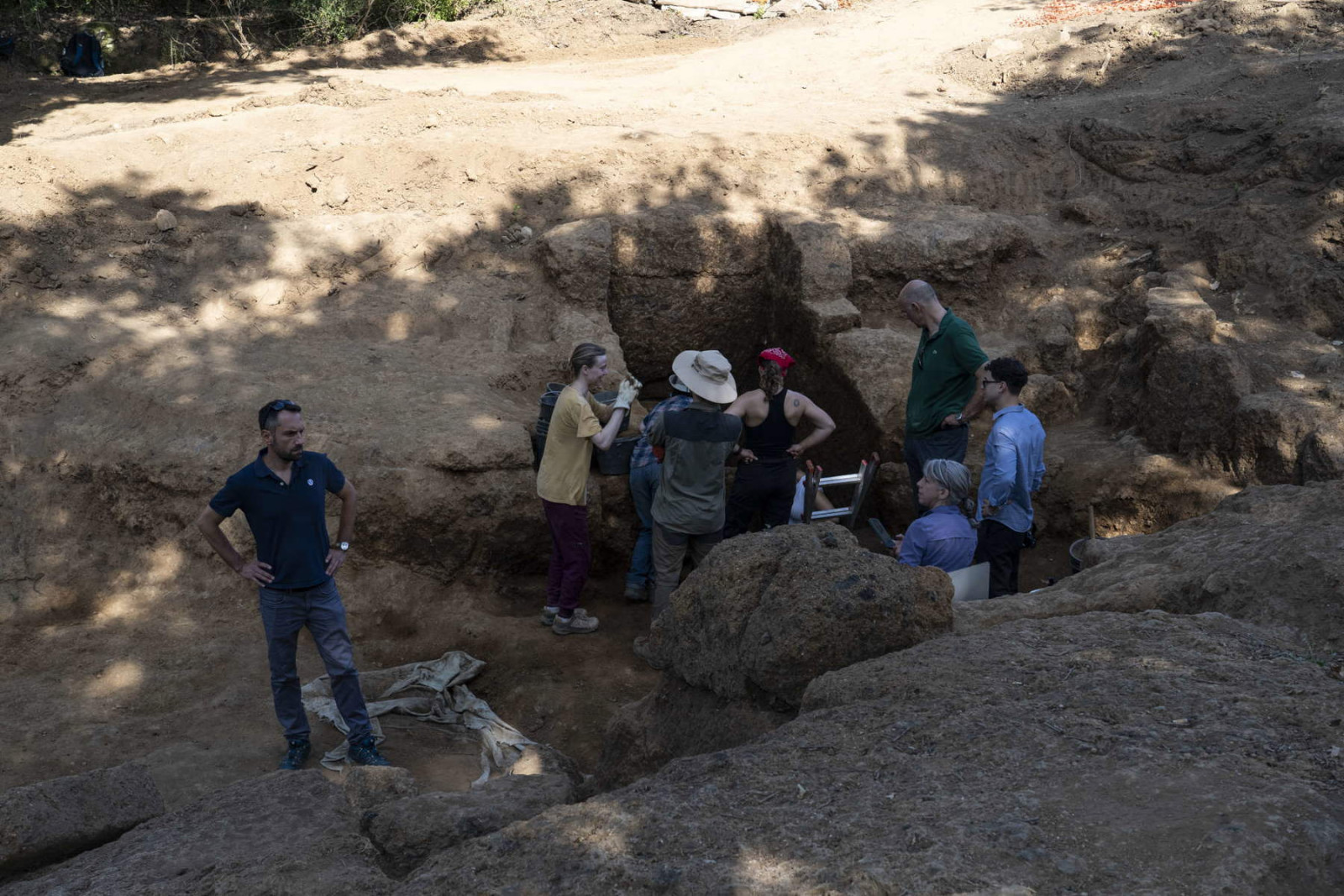
Further examination will focus on detailed osteological analysis of the skeletons to identify age, sex, and health status at death, alongside comprehensive study of the artifacts and their original arrangement.
- Categories:
- Science

0 comments
Sign in to Comment