
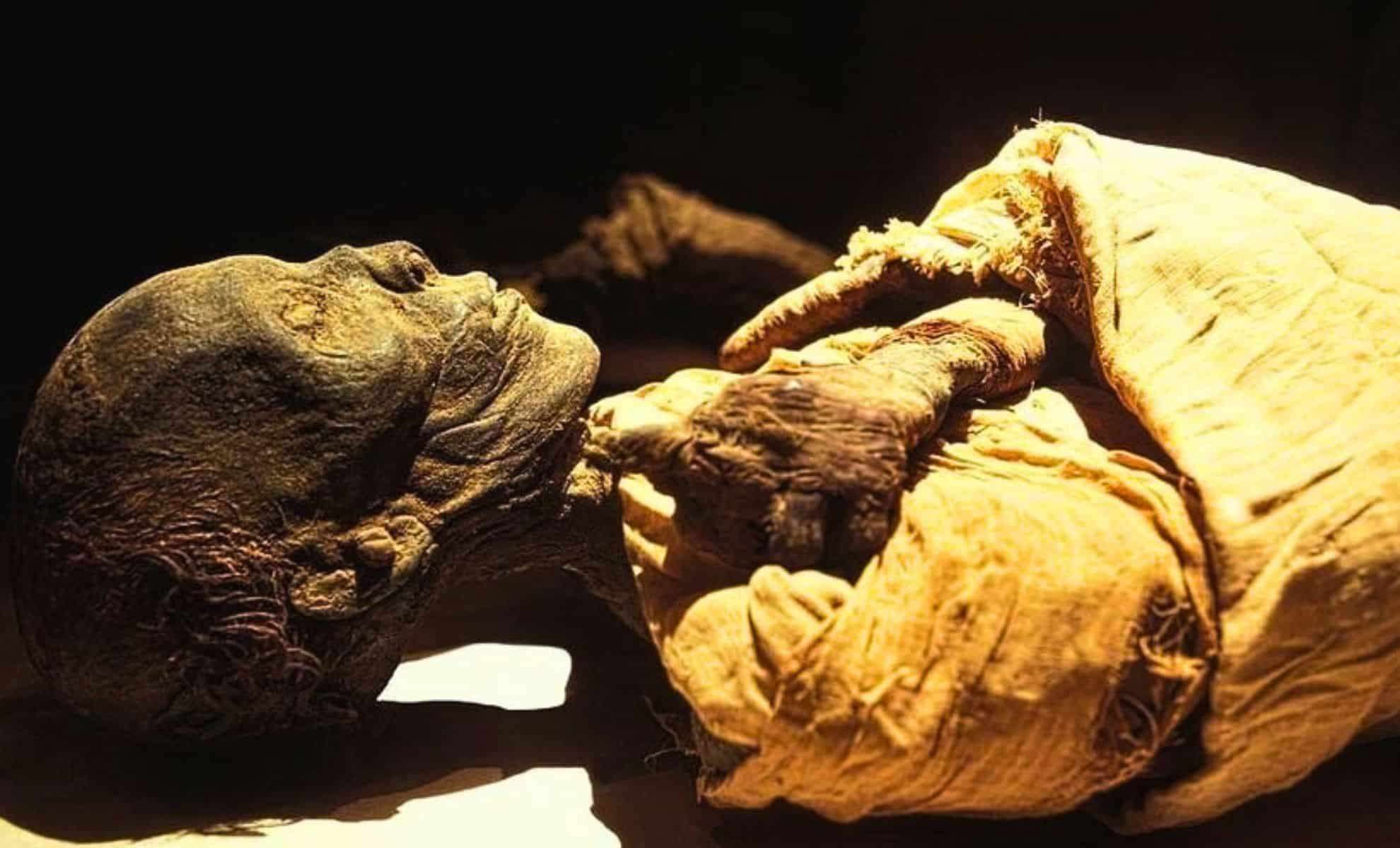
An extraordinary chapter in Egypt’s ancient past has been unveiled with the uncovering of King Thutmose II’s tomb, a notable ruler from the Eighteenth Dynasty. Announced by Egyptian officials this Tuesday, this discovery represents the first royal tomb find since the famous excavation of King Tutankhamun’s burial site in 1922.
The collaborative Egyptian-British archaeological team identified the tomb within the Mount of Thebes region, situated west of Luxor near the iconic Valley of the Kings. Originally cataloged as Tomb No. C4, it was initially thought to belong to a royal consort until artifacts decisively linked it to King Thutmose II.
Unlocking Secrets of a Long-Concealed Tomb
Work on this discovery began in 2022 when the team found the tomb’s entrance and corridor. Early assumptions categorized it as belonging to one of the royal wives, due to its location near burial sites of Queen Hatshepsut—initially a royal consort—and the wives of King Thutmose III.

Further excavation brought to light compelling proof that altered previous beliefs. Alabaster vessel fragments displayed inscriptions clearly attributing the tomb to King Thutmose II, with references addressing him as the “deceased king” and mentioning his wife and half-sister, Hatshepsut.
This breakthrough hints that Hatshepsut may have played a crucial role in overseeing his burial ceremony, offering valuable insight into her influential reign as one of ancient Egypt’s foremost female monarchs.
The Tomb’s Trials Through Time
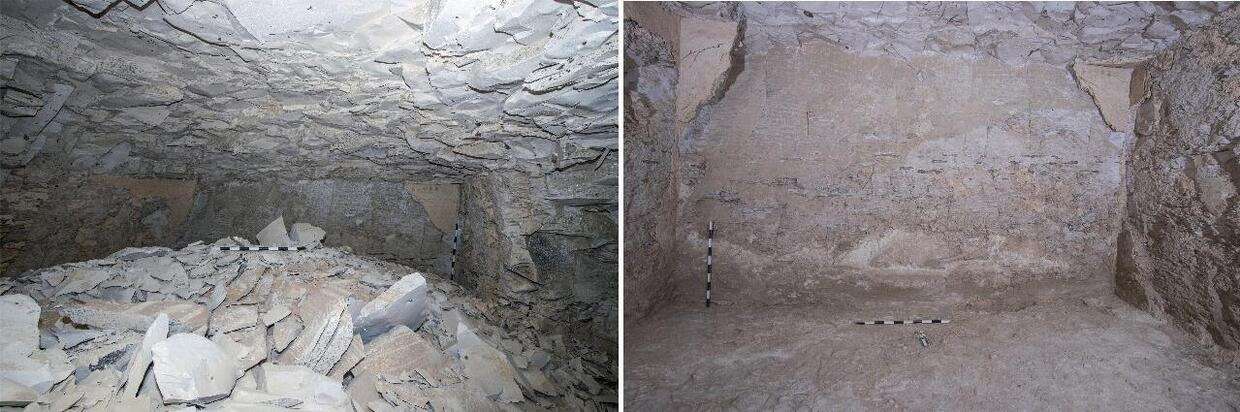
Contrasting with the well-preserved splendor of Tutankhamun’s tomb, Thutmose II’s burial site endured extensive deterioration over hundreds of years. Evidence suggests flooding soon after the pharaoh’s death damaged the tomb’s structure and eroded many original features.
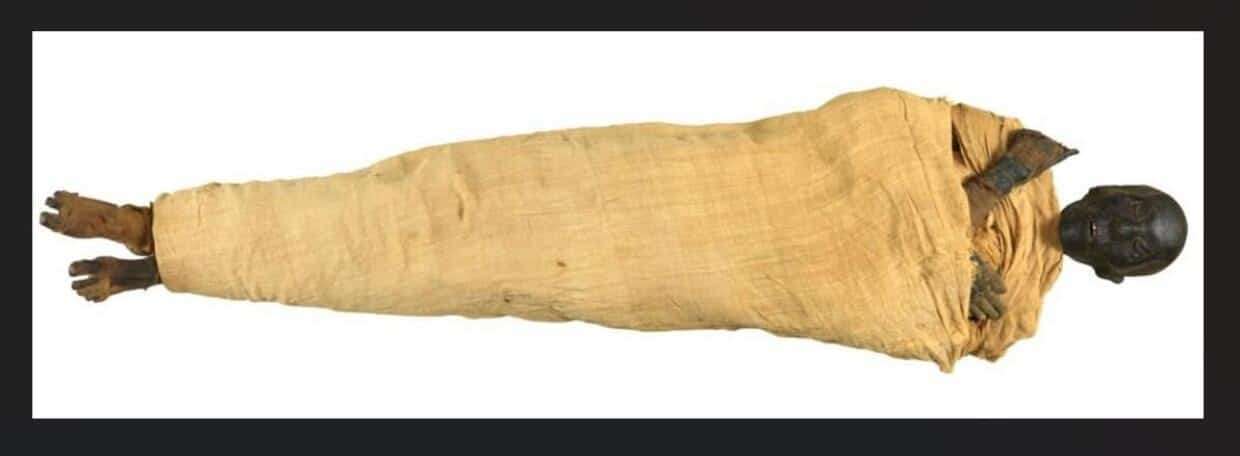
Looting also contributed to the loss of many artifacts, prompting ancient caretakers to transfer some items elsewhere. The mummy of Thutmose II was found in the 19th century within the Deir el-Bahari Cachette, relocated to shield it from grave robbers. His remains are currently exhibited at the National Museum of Egyptian Civilization.
Despite damage, researchers uncovered fascinating finds inside the tomb, including remains of blue and yellow star-patterned mortar and segments of the funerary text “Imydwat”, believed to guide souls through the afterlife.
Moving Forward With the Investigation
The excavation has much more to reveal. Dr. Piers Litherland, leader of the British contingent, noted that the tomb’s design is simple yet consistent with those from subsequent reigns, though numerous mysteries remain, according to CBS News.
With indications some valuables were moved in ancient times, the team is actively searching for these displaced artifacts, aiming to recover more elements of Thutmose II’s historical heritage.
- Categories:
- Science







0 comments
Sign in to Comment