
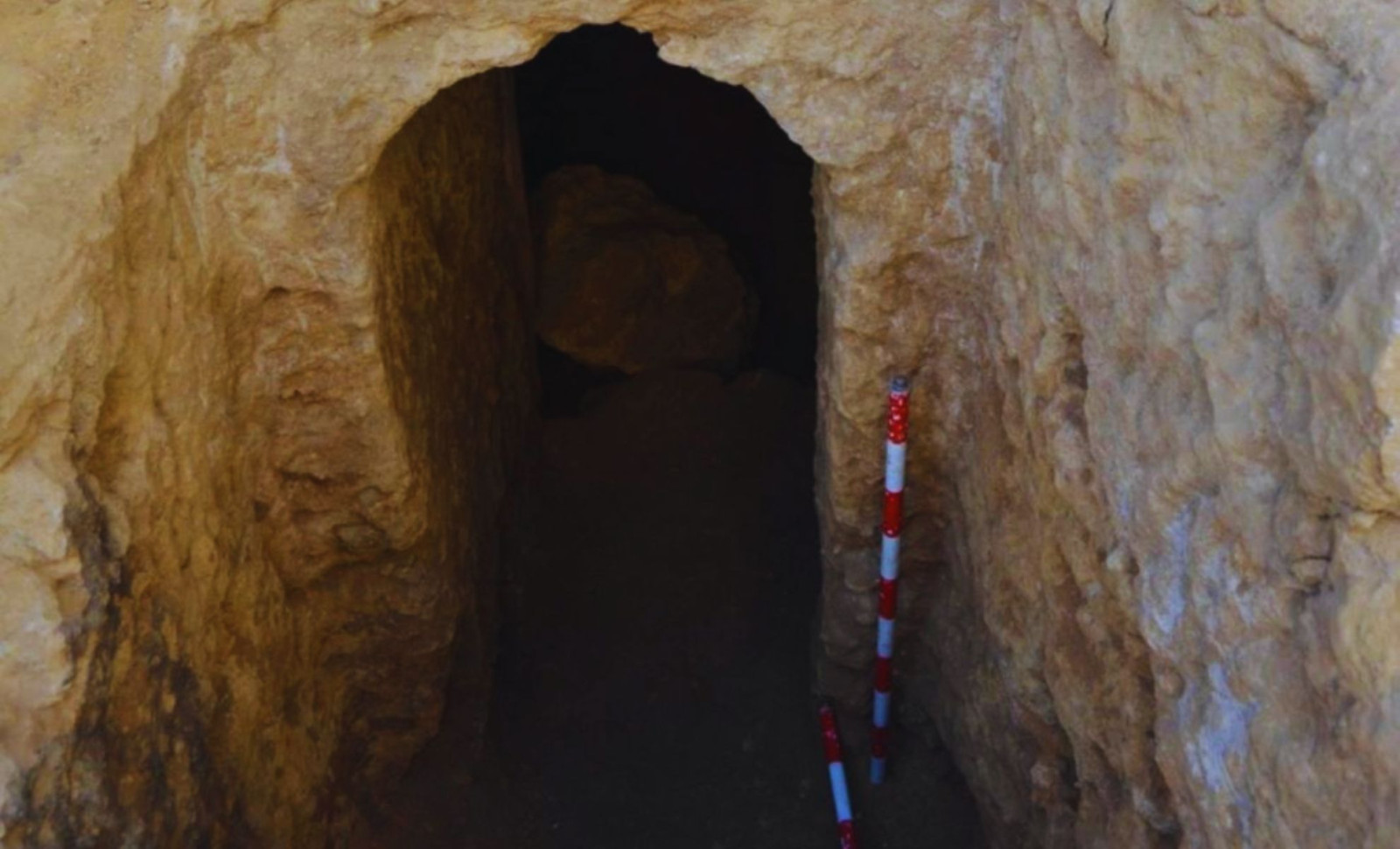
In southern Spain, researchers have uncovered a remarkable 2,000-year-old Roman container that still holds liquid wine—an unprecedented find in the study of ancient beverages. This reddish liquid has been preserved alongside cremated human remains for nearly two millennia.
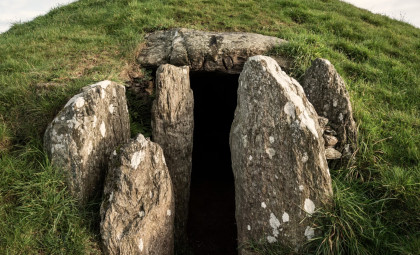
The discovery dates back to 2019, when homeowners in Carmona uncovered a concealed burial chamber during renovations. Experts later determined that the chamber had remained sealed and untouched, a rarity as most Roman tombs have been disturbed or plundered over centuries.
Within the chamber were multiple urns containing ashes and ritual objects. One particular vessel drew significant attention for its unusual contents. According to José Rafael Ruiz Arrebola from the University of Córdoba, the team found a glass container filled with liquid, prompting detailed laboratory investigations.

Remarkable Preservation in an Ancient Roman Burial Site
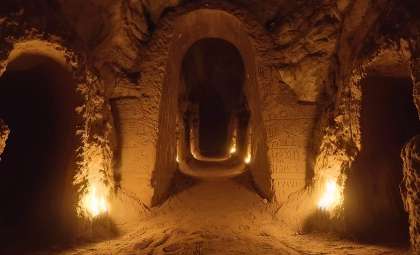
The tomb featured eight burial compartments, where six urns crafted from various materials including stone, glass, lead, and sandstone held cremated remains. Names like Hispanae and Senicio were still legible on some urns.
This site stands out due to its exceptional state of preservation. Unlike typical Roman tombs that were often conspicuously displayed and vulnerable to looting, this chamber was carved into rock and hidden underground, keeping its contents nearly intact for about two thousand years.
“The town archaeologists quickly realised that the tomb was incredibly unusual because it hadn’t been raided or looted – Romans were proud, even in death, and used to build funeral monuments, such as towers, over their tombs so people could see them. They wanted to remain in people’s memories.” stated José Rafael Ruiz Arrebola, a senior author of the study.
Ancient Fluid Confirmed as Wine
The urn containing the liquid also held bone fragments, a gold ring engraved with Janus, and metal pieces thought to be from a funerary bed. As explained by Ruiz Arrebola:
“There was an even greater surprise when the archeologists opened the urn and saw that it was full of liquid”.
Scientists ruled out contamination from external sources like groundwater through chemical testing. Their analysis detected seven polyphenols linked exclusively to wine, thus verifying the liquid’s identity.
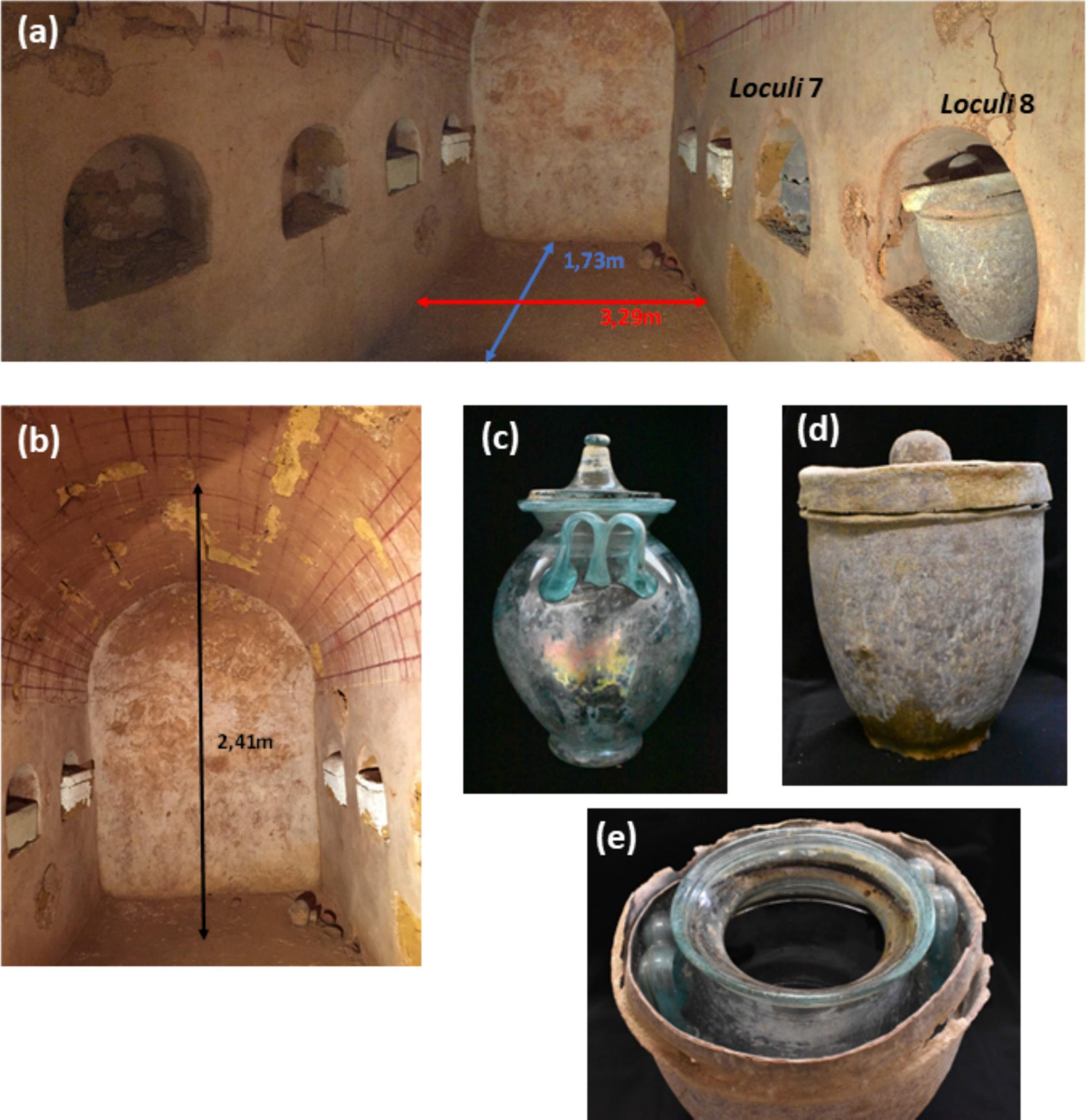
As detailed in the Journal of Archaeological Science: Reports, these biomarkers mirror those present in wines currently produced in Andalucía. The liquid's elevated pH of 7.5 also indicates remarkable chemical stability over centuries.
Findings published in the Journal of Archaeological Science: Reports confirm that the biochemical profile closely matches that of present-day Andalusian wines, underscoring the liquid’s resilience.
“We looked for biomarkers, which are chemical compounds that unequivocally tell you what a particular substance is,” said Ruiz Arrebola. “In this case, we looked for polyphenols exclusively from wine – and we found seven wine polyphenols. We compared those polyphenols with those from wines from this part of Andalucía – and they matched.”
Although the wine appears reddish-brown today, it was originally white. The lack of syringic acid, typically found in red wine, indicates that its coloration changed over centuries due to chemical transformations.
Oldest Liquid Wine Exceeds Previous Records
Prior to this, the Speyer wine bottle discovered in Germany and dated to about AD 325 was considered the oldest example of preserved liquid wine. This recent find from Carmona predates that, establishing a new record.
The composition of this ancient wine shares traits with current regional varieties like Montilla-Moriles and sherry from Jerez, highlighting a continuous tradition of winemaking spanning nearly two thousand years. While tasting it has been discussed humorously, researchers remain hesitant.
“It’s not in the least bit toxic – we’ve done the microbiological analysis.” He added, “But I’d have qualms about that because this wine has spent 2,000 years in contact with the cremated body of a dead Roman. The liquid is a bit murky because of the bone remains. But I guess you could filter it and try it. I’d rather someone else tried it first, though.”
- Categories:
- Science

0 comments
Sign in to Comment