
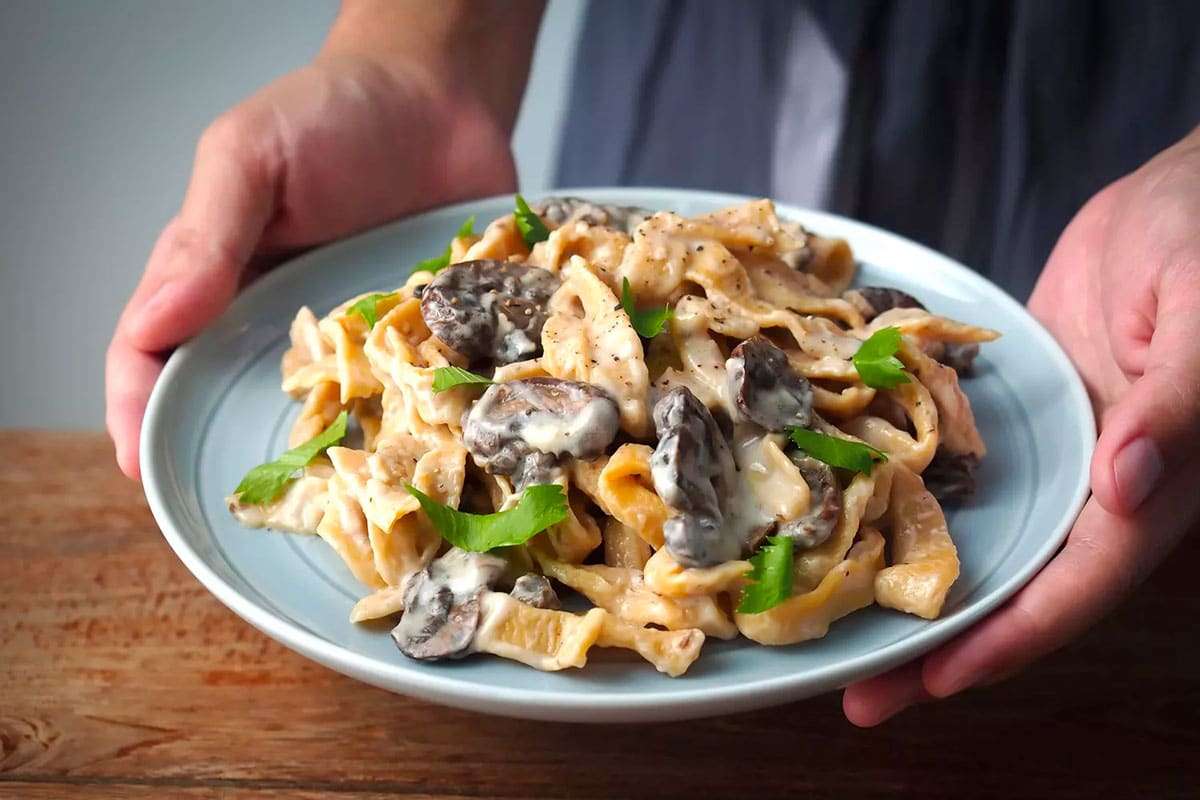
As autumn unfolds, prioritizing immune support and bone strength becomes essential. One standout seasonal ingredient is mushrooms. These unassuming fungi are packed with vitamin D, making them a valuable addition to your fall diet. Let’s uncover why mushrooms deserve a spot on your plate this season and how they can enhance your well-being.
Mushrooms: Autumn's Natural Source of Vitamin D
With shorter daylight hours, our vitamin D synthesis decreases naturally. This vital nutrient is key for a robust immune system and healthy skeletal structure. When exposed to sunlight or UV light, mushrooms develop significant levels of vitamin D, making them a natural source of this important nutrient.
Top varieties rich in vitamin D include:

- Chanterelle mushrooms
- Morel mushrooms
- Shiitake mushrooms
- White button mushrooms
Just one serving of these mushrooms can supply a considerable part of your daily vitamin D requirement, especially useful during months with limited sun exposure.
An interesting parallel exists between mushrooms and inhalers used for respiratory conditions, both offering significant health benefits with an environmentally conscious approach.
Mushrooms and the Mediterranean Eating Pattern
Featured prominently in the Mediterranean diet—celebrated by the World Health Organization for its health-promoting qualities—mushrooms complement the focus on plant-based meals, lean proteins, and wholesome fats. They contribute not only vitamin D but a variety of other valuable nutrients.
Dr. Taz Bhatia, a specialist in integrative and functional medicine, highlights the growing importance of nutrition with aging: “A healthy diet and lifestyle become increasingly important as we get older and our nutrient needs change.” Including mushrooms in your diet is a smart way to address these evolving nutritional demands.
Here’s a comparison of vitamin D content in commonly consumed foods:
FoodVitamin D (IU per serving)UV-exposed mushrooms400-800Salmon570Egg yolk40Fortified milk120
Additional Health Perks from Mushrooms
Beyond their vitamin D content, mushrooms offer a vast array of health advantages. They are low in calories, rich in dietary fiber, and packed with important vitamins and minerals. Notably, they contain vitamin B3 (niacin), which supports several bodily functions.
Niacin in mushrooms contributes to:
- Reduced tiredness and fatigue
- Enhanced immune defense
- Cardiovascular health support
- Improved energy production
These attributes make mushrooms particularly beneficial during the cooler months when our bodies often need additional nutritional support to fight off seasonal ailments and compensate for diminished sunlight.
Ways to Enjoy Mushrooms in Your Fall Cooking
From early autumn, mushrooms become widely accessible—available in stores, farmers’ markets, and even wild habitats for the adventurous. However, caution is crucial when foraging to avoid poisonous varieties; expert advice is recommended if you’re uncertain.
Try incorporating mushrooms with these tasty ideas:
- Velvety mushroom soups
- Classic mushroom risotto
- Grilled portobello mushroom burgers
- Stuffed mushroom caps
- Mushroom and spinach quiches
Including mushrooms in your meals helps increase your vitamin D intake while introducing a savory umami element to your dishes. Whether sautéed, roasted, or used as a meat alternative, their rich flavor elevates many recipes.
As fall progresses and temperatures drop, remember that mushrooms offer a natural, nutrient-dense way to support your immune defenses and bone vitality. Make these vitamin D-rich fungi a regular feature on your menu; your health will benefit greatly.
- Categories:
- Health









0 comments
Sign in to Comment