
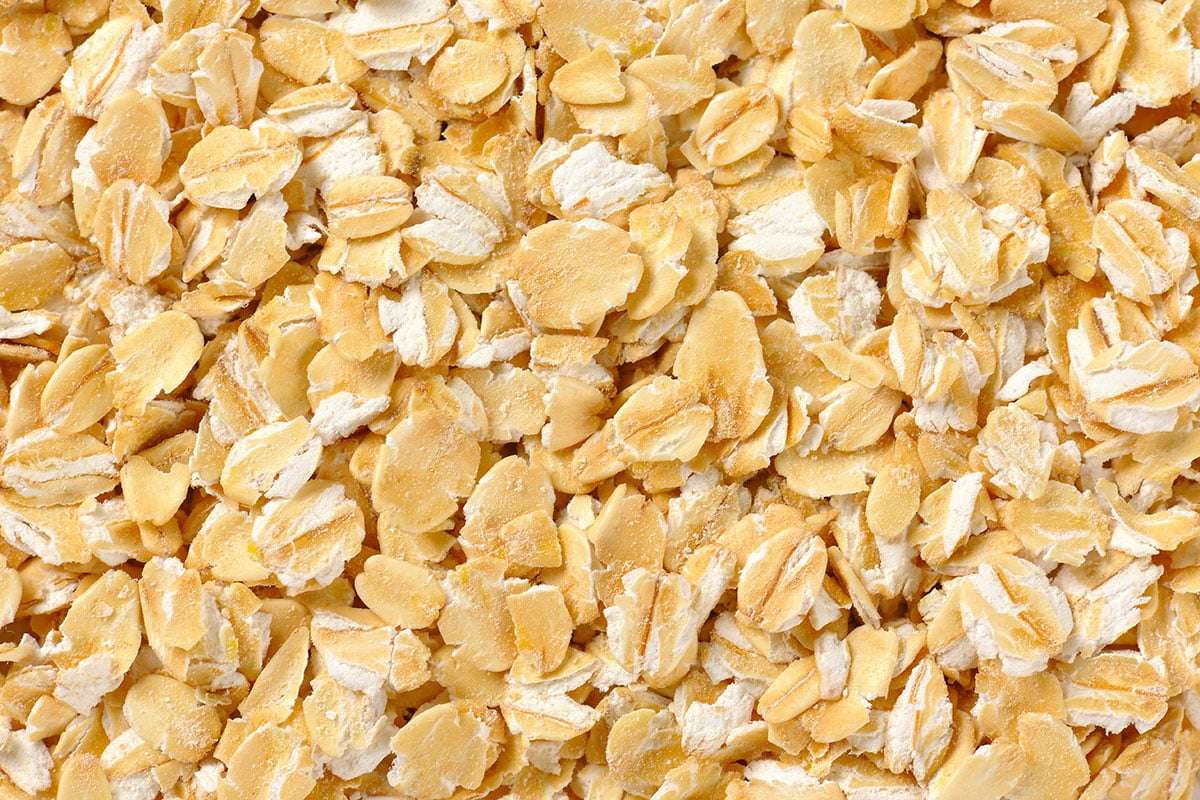
Oatmeal is a globally favored breakfast option known for its adaptability and rich nutrient content. As more individuals add this wholesome grain to their everyday meals, questions about its influence on kidney health have surfaced. This article delves into the scientific insights regarding the effects of daily oatmeal consumption on kidney function.
Oatmeal’s nutrient composition and health advantages
This grain is packed with valuable nutrients such as dietary fiber, proteins, essential vitamins, minerals, and antioxidants. Particularly, whole oats provide a significant amount of magnesium, a mineral vital for numerous physiological processes. Data from the Spanish Nutrition Foundation indicates that around 3.3% of Spain’s citizens regularly enjoy oats, underscoring its rising prominence.
Nutrients of note found in oatmeal include:

- Soluble fiber
- B-complex vitamins (like B6 and folate)
- Magnesium
- Potassium
- Heart-healthy unsaturated fats
These components lend oatmeal a range of potential health benefits. Routine consumption has been associated with enhanced cardiovascular health, improved regulation of blood glucose, and lowered cholesterol levels. Since kidney function is intricately linked to the cardiovascular system, these effects may indirectly promote renal health.
How daily oatmeal influences kidney performance
Research from the National Institute of Diabetes and Digestive and Kidney Diseases (NIDDK) highlights that consistent oatmeal intake is effective in reducing cholesterol and blood sugar levels. This can be particularly advantageous for those managing diabetes or at risk of kidney disease.
The soluble fiber in oats plays a key role in stabilizing blood glucose, especially after eating, which is critical for preventing kidney damage in diabetics. Additionally, the unsaturated fats help lower low-density lipoprotein (LDL), commonly known as “bad” cholesterol, supporting heart and kidney health alike.
Below is a summary of key nutrients in oatmeal and their related benefits for kidney support:
NutrientHealth BenefitMagnesiumHelps regulate heart rhythmPotassiumEssential for nerve and muscle functionFolateSupports cardiovascular healthVitamin B6Enhances heart function
By fostering heart health and aiding blood sugar control, these nutrients indirectly safeguard the kidneys. The NIDDK advocates for adding oatmeal to a balanced diet as a positive strategy for kidney health maintenance.
Important considerations for kidney wellness
Although oatmeal has multiple health perks, personal health status must be taken into account when making it a dietary staple. As noted by the Mayo Clinic, certain conditions heighten the risk of kidney disease, such as:
- Diabetes
- Hypertension
- Cardiovascular disorders
- Family history of kidney ailments
Those with these risk factors should seek medical advice before altering their diet significantly. Furthermore, the U.S. National Library of Medicine stresses the value of embracing a comprehensive approach to kidney care, which encompasses:
Engaging in regular physical activity, ensuring sufficient sleep, managing stress effectively, limiting alcohol use, quitting smoking, and maintaining balanced nutrition. While oatmeal can be a beneficial component, it should not replace other essential healthy habits for kidney protection.
Moderation remains key, as excessive intake of any food, including oatmeal, can lead to undesirable effects. Especially for individuals with existing kidney issues, monitoring minerals like potassium and phosphorus in oats is vital since these may need to be restricted.
Tips for incorporating oatmeal into a kidney-conscious diet
If you plan to add oatmeal to support kidney health, keep these recommendations in mind:
- Begin with small servings and slowly increase quantity
- Opt for plain, unsweetened oatmeal to avoid excess sugars
- Pair oatmeal with other foods that are supportive of kidney function
- Keep track of nutrient intake, especially if you have kidney challenges
Remember, a varied and balanced diet is essential for overall well-being. While oatmeal can be a nourishing addition to a kidney-friendly diet, it should complement a broad range of nutrient-rich foods. Always consult healthcare professionals or registered dietitians to devise a personalized meal plan suited to your kidney health and specific medical needs.
- Categories:
- Health













0 comments
Sign in to Comment