
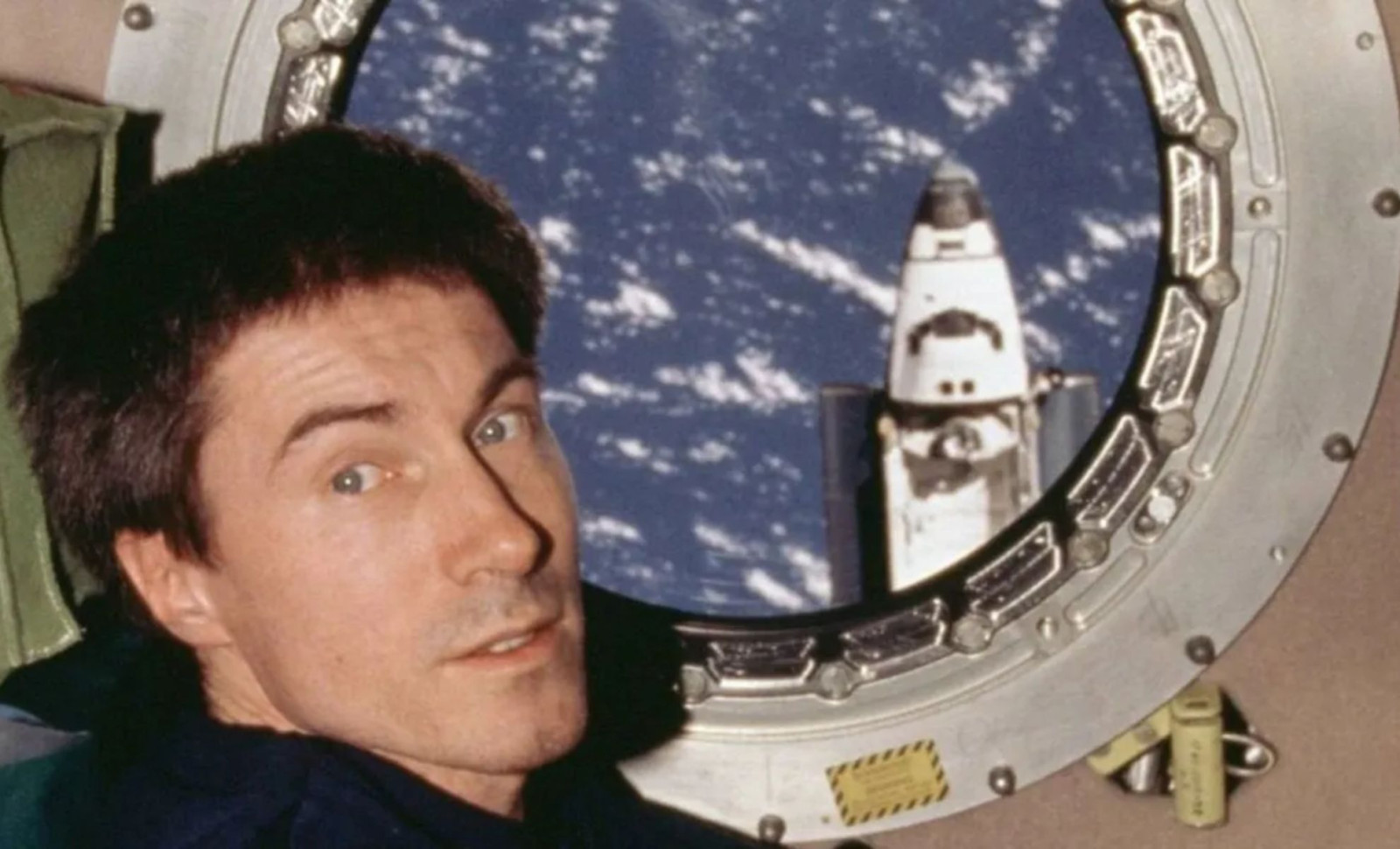
Sergei Krikalev, a Soviet-era cosmonaut, spent over 300 days orbiting Earth, only to reenter a reality where his nation no longer existed. During his 1991 mission, the dissolution of the Soviet Union meant he returned to a dramatically changed homeland.
Krikalev’s assignment aboard the MIR space station was initially planned for five months. Yet, geopolitical instability combined with funding cuts forced a lengthy postponement of his return. By March 1992, when Krikalev finally landed, the Soviet Union had officially disintegrated, leaving him to grapple with profound dislocation.
Prolonged Time in Orbit
According to a feature from Argentina’s Diario Uno, Krikalev launched on May 18, 1991, aboard the Soyuz TM-11 spacecraft, joining Soviet cosmonaut Anatoli Artsebarski and British astronaut Helen Sharman on the MIR. What should have been a straightforward five-month mission evolved into an extended journey. Sharman returned to Earth just a week after arriving, and Artsebarski left in October, but no replacement for Krikalev came as planned.

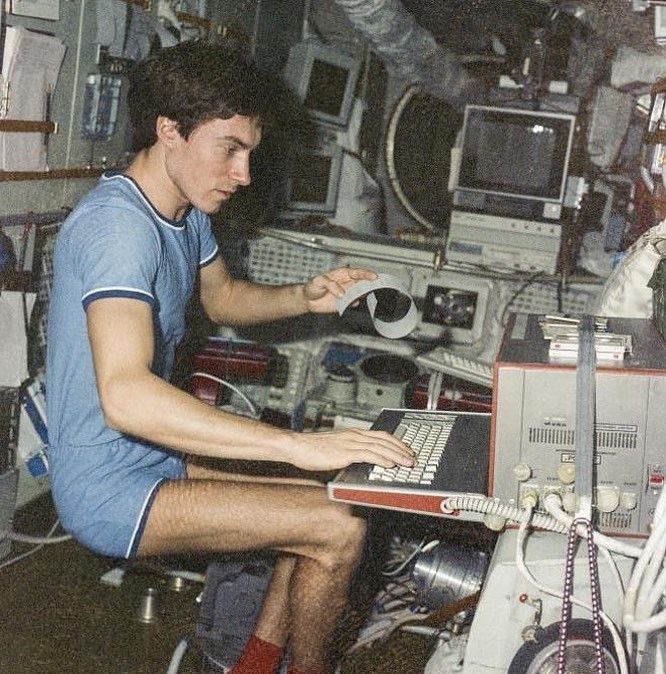
As detailed by El Confidencial, Deputy Space Missions Director Yuri Teplakov revealed that the delay resulted from the Soviet Union’s sharp economic and political decline. Escalated rental costs for the Baikonur Cosmodrome in Kazakhstan squeezed the space program’s finances, leaving Krikalev’s return indefinitely postponed.
The Collapse of the USSR
While Krikalev was in orbit, the Soviet Union unraveled. On December 25, 1991, Mikhail Gorbachev stepped down as president, officially marking the USSR’s end. At that point, Krikalev had remained in space for more than six months, witnessing the political earthquake from afar.
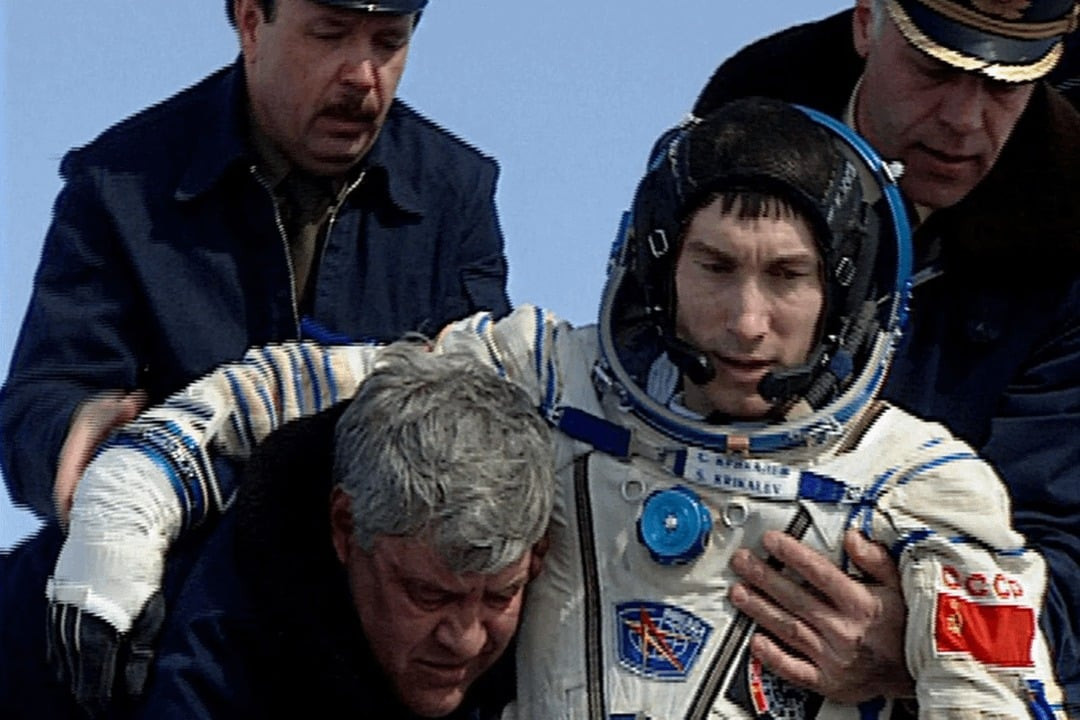
Cathleen Lewis, a historian at the Smithsonian National Air and Space Museum, noted that Krikalev became a symbol of this era’s transition. As one of the earliest cosmonauts to communicate directly with amateur radio operators on Earth, he bridged the vast distance between space and the turmoil below. Despite regular contact, he was mostly unaware of the unfolding political transformations during his time in space.
Returning to a New Reality
When Krikalev finally touched down on March 25, 1992, after 312 days in orbit, he faced a world fragmented into multiple independent countries. The Soviet state that had launched him had ceased to exist, and he returned to a fundamentally altered geopolitical landscape.
In an interview with the BBC, Krikalev described the surreal experience of coming back after such a dramatic change.
“It was very good to be back,” he said, “Despite the hardships we had to endure, we were relieved of a psychological burden. I wouldn’t say it was a moment of euphoria, but it was very good.”
- Categories:
- News










0 comments
Sign in to Comment