

A groundbreaking analysis published in JAMA Internal Medicine sheds light on the positive impact of plant-derived fats, especially from grains and vegetable oils, on heart health and longevity.
Monitoring over 400,000 adults over more than twenty years, the study demonstrated that those who consumed more plant fats had a 14% reduced risk of heart disease-related death and a 9% lower overall mortality risk compared to those who consumed the lowest amounts. These results underscore the advantages of plant-based fats in promoting cardiovascular well-being and extending lifespan.
Adopting Plant-Based Fats to Enhance Cardiovascular Health
The investigation highlights the benefits of replacing animal-derived fats found in meat, dairy, and eggs with fats originating from plants such as grains and vegetable oils. Participants with the highest consumption of animal fats showed a 16% increased risk of death from any cause and a 14% greater risk of cardiovascular death.

These findings are consistent with extensive research indicating that fats rich in monounsaturated and polyunsaturated fatty acids from plants are superior for heart health compared to saturated fats predominantly found in animal products.
The authors suggest that plant fats contribute to enhanced cholesterol levels and possess anti-inflammatory effects, which are both essential in lowering heart disease risk.
As stated by Thomas M. Holland, MD, a physician-scientist at the RUSH Institute for Healthy Aging, “Plant-based fats may reduce both all-cause and cardiovascular mortality by improving cholesterol profiles and mitigating inflammation.”
The study further revealed that substituting even 5% of caloric intake from animal fats with plant fats could decrease heart disease mortality by 5% to 30% and overall mortality by 4% to 24%. This highlights how modest dietary adjustments can have substantial health effects.
Understanding the Differences Between Plant and Animal Fats
The large-scale research aimed to determine how the source of dietary fat influences death rates and heart disease outcomes.
Utilizing data from the NIH-AARP Diet and Health Study, which detailed participants’ fat consumption habits, the study followed subjects for 24 years. During this time, there were 185,111 fatalities, with heart disease accounting for 32% of cases.
Participants were grouped into five “quintiles” based on their intake of plant-based fats. Those in the top quintile had a markedly lower likelihood of dying from heart-related causes and all-cause mortality.
Conversely, individuals who consumed the most animal fats showed elevated mortality risks. The research points to saturated fats from sources such as red meat, dairy, and eggs as contributors to raised LDL cholesterol levels and the formation of arterial plaques, which increase the chances of heart disease.
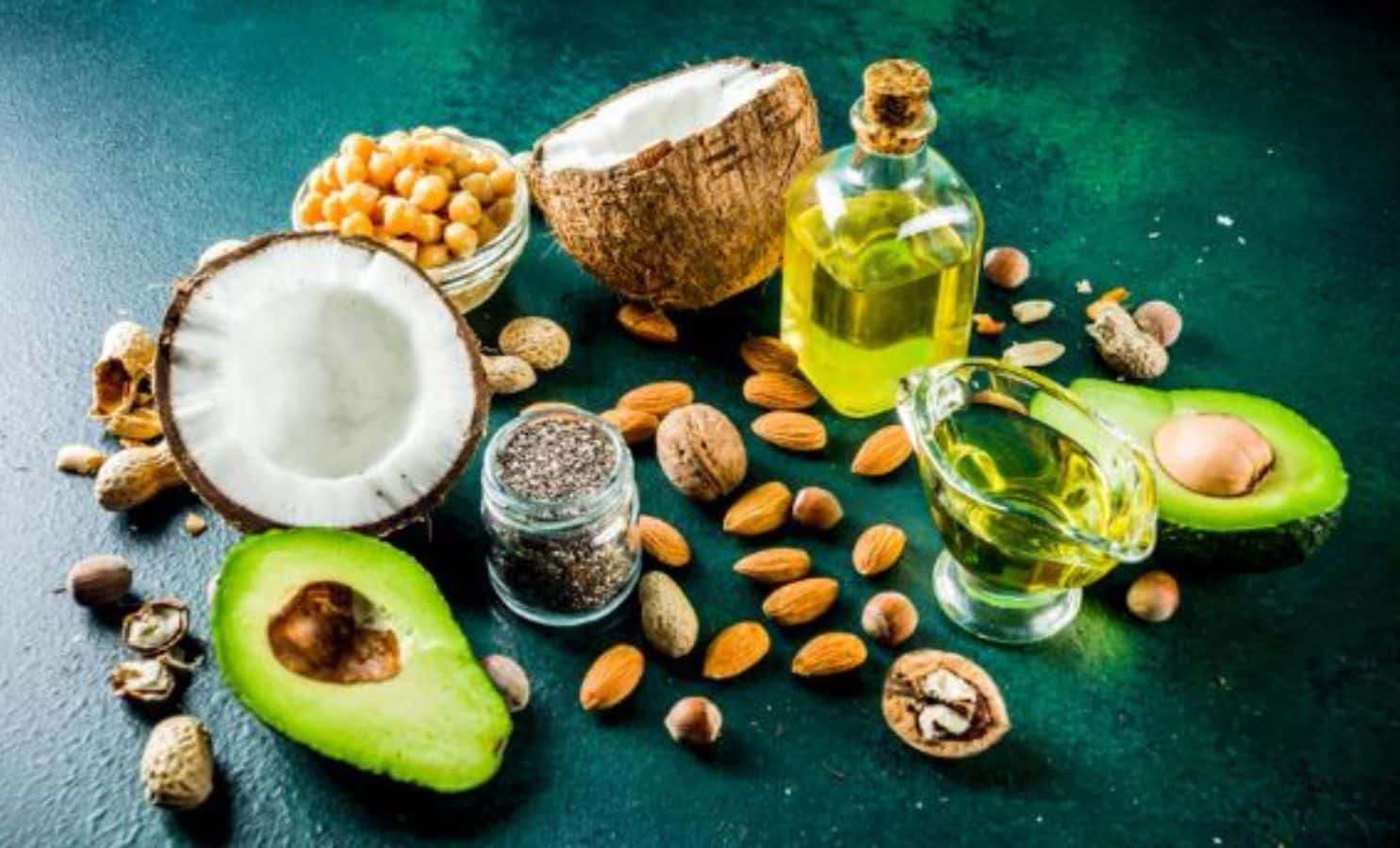
These outcomes correspond with prior studies linking high consumption of animal fats—especially from red meat and dairy—to heightened health risks. In contrast, plant fats found in grains, vegetable oils, nuts, and seeds deliver nutrients that support cardiovascular health.
Scientific Limitations and Nutrition Complexity
Despite encouraging findings, the authors note that the observational nature of the study limits the ability to prove causation between plant fat intake and reduced death rates.
The researchers acknowledged challenges such as reliance on self-reported dietary information, which may not fully capture long-term eating habits. Additionally, the sample lacked diversity, raising questions about applying these results universally across all populations.
Kiran Campbell, RDN, a heart health dietitian, remarked that plant fats are higher in monounsaturated and polyunsaturated fats compared to the saturated fats common in animal products. “This likely contributes to their association with reduced mortality by improving cholesterol and reducing inflammation,” Campbell said. She also emphasized the importance of considering the entire diet rather than isolating single nutrients.
The study controlled for variables such as protein from plant and animal sources, carbohydrate intake, fiber consumption, and amounts of fruits and vegetables. Still, other influences like lifestyle habits and genetic factors may have impacted the outcomes.
Dietary Guidance for Improved Longevity
These insights add weight to the growing support for plant-centric diets as a healthier alternative to diets heavy in animal fats. The findings echo principles found in popular eating plans such as the Mediterranean Diet, DASH Diet, and plant-based regimens, which prioritize whole, minimally processed plant foods.
Increasing intake of plant fats from sources like olive oil, avocados, nuts, and seeds may lower the likelihood of heart disease and premature death. “This evidence supports encouraging more plant fat consumption while limiting saturated fats from animal products,” Dr. Holland stated.
Further studies are necessary to confirm these associations and clarify the biological mechanisms, but the research strengthens the case for plant-forward eating as a route to lasting health benefits.













0 comments
Sign in to Comment