
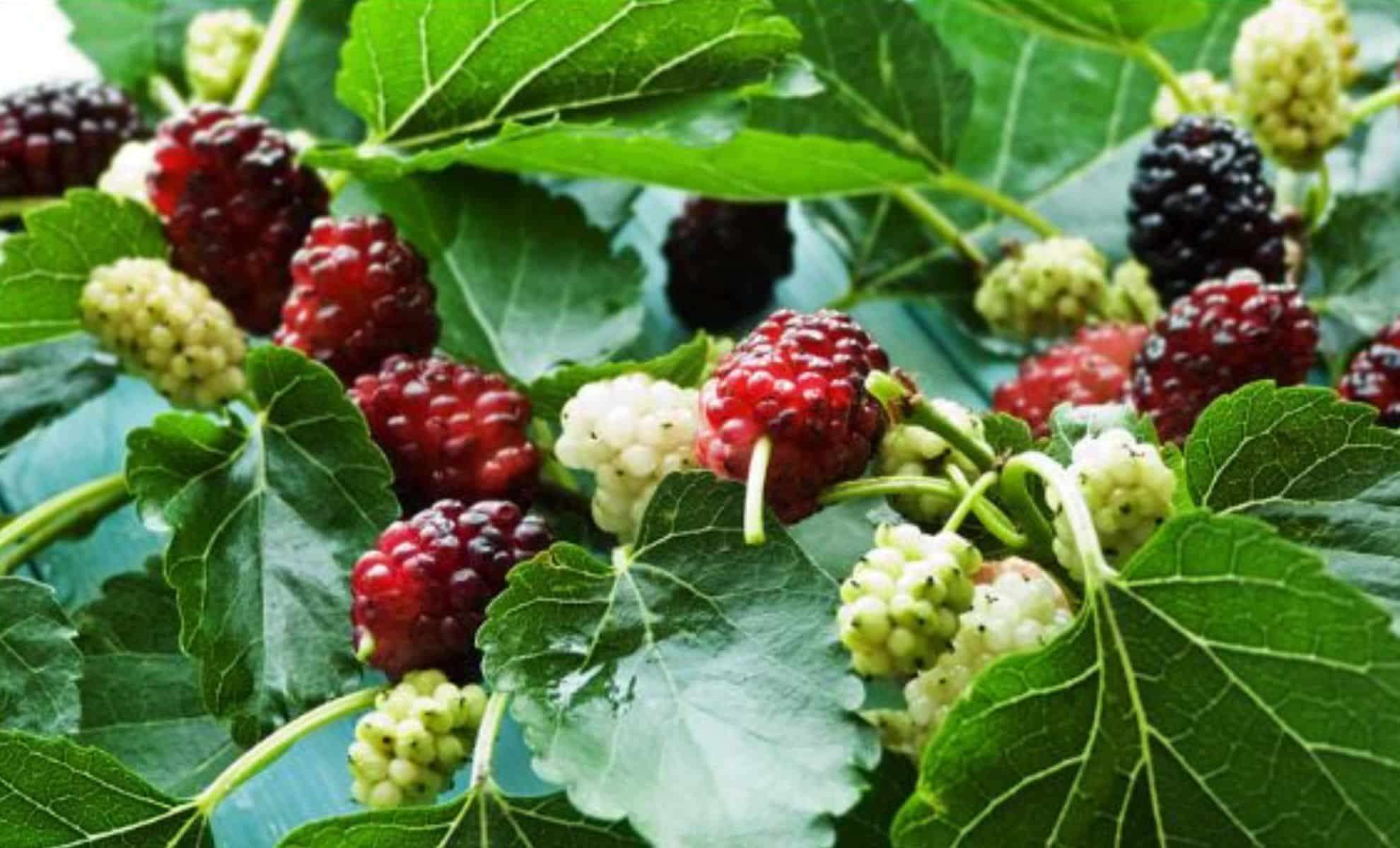
Mulberries are celebrated not only for their sweet flavor but also for their remarkable health benefits, particularly in promoting skin vitality and joint comfort.
Brimming with nutrients that stimulate collagen production and compounds that reduce inflammation, mulberries serve as a powerful addition to diets aimed at preserving youthful skin and easing joint issues. This feature explores the scientific basis behind mulberries’ efficacy in supporting collagen levels and mitigating inflammation.
Understanding Collagen's Vital Functions in the Body
Collagen stands as the most prevalent protein in humans, comprising nearly 30% of total protein mass. It forms the structural framework for skin, muscles, bones, tendons, ligaments, and other connective tissues.

As highlighted by the Cleveland Clinic, collagen is key to maintaining bodily strength, integrity, and support. It facilitates the creation of fibroblasts in the dermis—the middle layer of skin—helping generate new cells while replacing old ones. Additionally, collagen ensures skin retains its elasticity and firmness, combats sagging, and assists in healing tissues and organs.
Furthermore, collagen is critical for healthy joints by sustaining elastic cartilage, which cushions joints and contributes to smooth movement. With age, collagen production naturally diminishes, leading to typical aging signs such as wrinkles, muscle weakness, and joint distress. This reduction also compromises collagen’s quality and amount, influencing disorders like osteoarthritis and decreased mobility.
Mulberries: Packed with Nutrients that Promote Collagen Production
Mulberries stand out for their abundant vitamin C levels, vital for stimulating collagen synthesis. A serving of 100 grams of fresh mulberries delivers roughly 36% of the recommended daily vitamin C intake.
Vitamin C is indispensable as it acts as a coenzyme in the enzymatic processes that generate collagen. By bolstering collagen formation, this vitamin helps improve skin elasticity, diminishes wrinkle visibility, and reinforces connective tissues.
Alongside vitamin C, mulberries contain antioxidants such as vitamin E and polyphenols like resveratrol. These components protect existing collagen from oxidative stress caused by free radicals.
This antioxidant defense contributes to slowing down the aging process, alleviating signs like skin sagging and fine lines. Therefore, including mulberries in one’s diet can support healthier, more youthful skin.
Reducing Inflammation: Supporting Joint Health and Comfort
Mulberries’ benefits extend to their strong anti-inflammatory capabilities. Chronic inflammation plays a central role in joint deterioration and diseases including osteoarthritis. The fruit contains high amounts of anthocyanins and flavonoids, which reduce inflammation by suppressing inflammatory enzymes and cytokines.

Resveratrol, another valuable compound in mulberries, amplifies these anti-inflammatory effects by enhancing blood circulation and further reducing inflammation. Better circulation ensures delivery of nutrients and oxygen to joint tissues and promotes elimination of inflammatory substances. This multifaceted mechanism helps relieve joint pain, improve mobility, and maintain joint health.
Multifaceted Advantages for Skin and Joint Wellness
Besides fostering collagen and reducing inflammation, mulberries supply essential minerals such as iron, potassium, and calcium. Iron is crucial for red blood cell production and oxygen transport, potassium supports fluid balance and nerve function, while calcium contributes to bone strength, working synergistically with collagen benefits.
Regarding skin care, mulberries assist in diminishing hyperpigmentation and dark spots through their natural acids including malic and citric acids. These mild exfoliants help shed dead skin cells, promoting a brighter complexion. The fruit’s antioxidants also shield skin from environmental harm like UV rays and pollution, which accelerate aging and cause damage.
Ways to Add Mulberries to Your Daily Routine
Adding mulberries to your diet is convenient and adaptable. They can be eaten fresh, dried, or incorporated into various recipes. Fresh mulberries are great in salads, smoothies, or desserts, providing both flavor and nutrition. Dried mulberries serve as a handy snack or mix-in for cereals, yogurts, and baked treats.
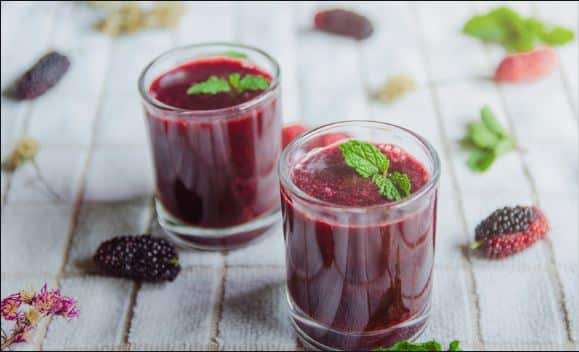
For those interested in topical applications, mulberry extract is featured in skincare products such as serums, creams, and masks. These formulations target skin brightening, wrinkle reduction, and texture improvement.













0 comments
Sign in to Comment